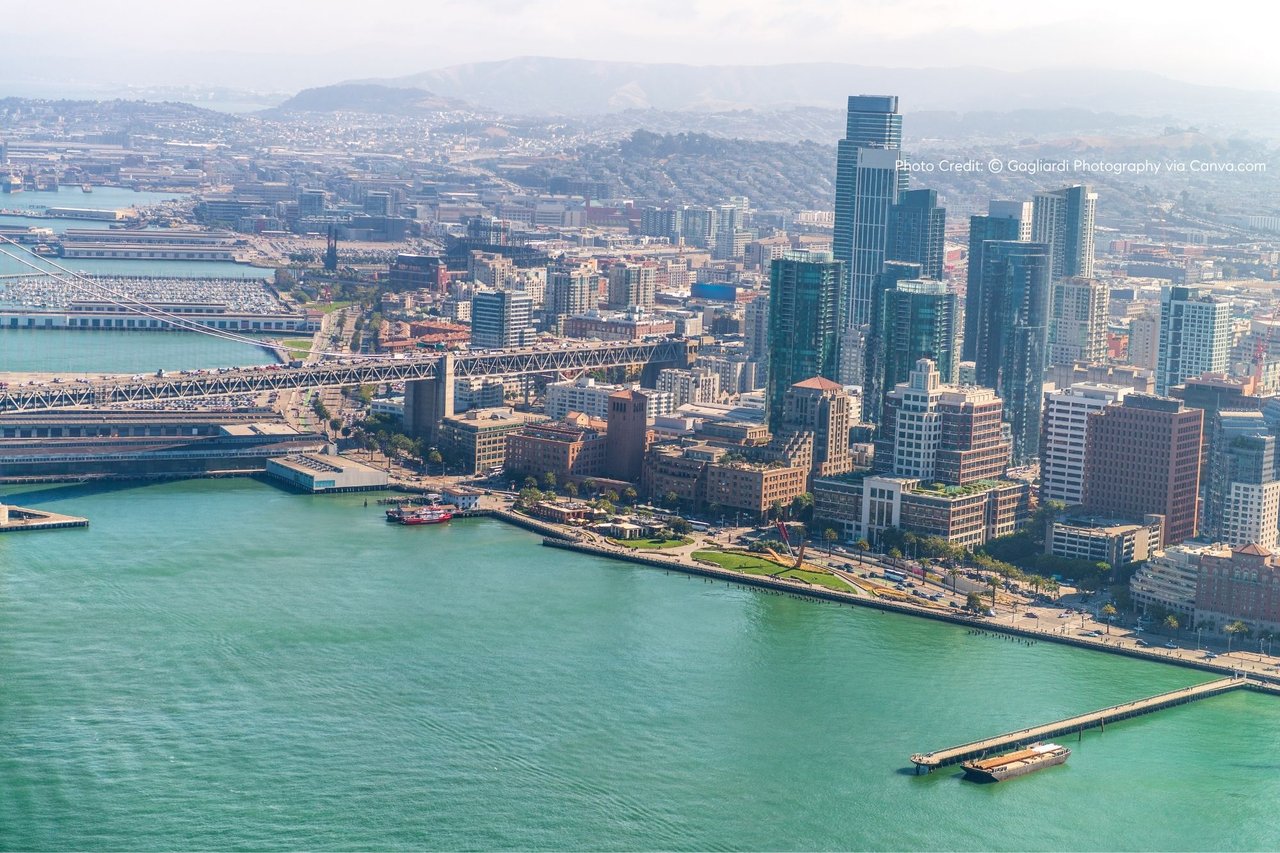
According to paloaltoonline.com, the Bay Area housing market is positioned for renewed momentum in 2026, with both home sales and prices expected to rise as mortgage rates gradually ease and consumer confidence improves. This outlook is especially relevant for highly nuanced, supply-constrained markets like San Francisco and Marin County, where local conditions often amplify national trends.
For homeowners, buyers, and future sellers in these two areas, understanding what’s driving the market — and how those drivers show up locally — is far more valuable than relying on national headlines alone. Below is a clear, data-rich breakdown of what to expect in 2026, with a strong focus on San Francisco and Marin County real estate.
Mortgage Rates and Market Forces in 2026
One of the biggest drivers shaping the Bay Area market in 2026 is the trend in mortgage interest rates. After peaking near 7–8% in recent years, forecasts suggest that average 30-year fixed rates are likely to settle around 6% as the Federal Reserve eases its stance amid slowing economic pressures. This drop — even if modest — can significantly impact buyer demand by reducing monthly payments and unlocking more qualified households.
Lower mortgage rates tend to support increased activity in sales and help balance buyer and seller expectations. For local neighborhoods in San Francisco and Marin County, this means more potential buyers will be able to compete — especially in market segments where pricing has historically pushed many searchers to the sidelines.
What Home Price Growth Looks Like
Across the broader Bay Area, analysts project that home prices will continue to rise in 2026, with regional increases in the range of 2% to 6% compared to the previous year. This nominal growth reflects the tight supply and resilient demand in high-value markets like San Francisco and Marin.
In real terms, when compared with inflation and rising incomes, this may translate to stabilizing affordability rather than a dramatic surge in home costs. High-end segments in San Francisco — including Pacific Heights, the Marina, and Cow Hollow — have already set record prices in recent years, with median values in prime districts hitting multi-million dollar levels.
However, it’s important to note that growth won’t be uniform. Single-family homes in desirable neighborhoods with strong commuter access, quality schools, and local amenities often outperform broader trends, while condos and entry-level homes in some submarkets may lag as buyers remain selective.
Sales Activity: More Movement After a Slow Period
Data indicates a rebound in Bay Area sales volume may materialize in 2026, following slow years of historically low transaction levels. If mortgage rates do ease toward the mid-6% range, national forecasts project up to ~14% growth in home sales — and similar trends could materialize here, especially where demand is already strong.
In San Francisco proper, pending home sales have shown notable strength compared to many other U.S. metros, with homes selling more quickly and often with multiple offers — a sign of renewed buyer interest in city living and proximity to tech employment hubs.
For Marin County, sales activity has historically reflected the area’s unique demand profile: strong interest in homes priced from mid- to high-range, shorter days on market for well-positioned properties, and a competitive response when inventory tightens.
Inventory Trends: Supply Is Improving, But Still Tight
One of the defining characteristics of the Bay Area market has been constrained supply. In many parts of San Francisco and Marin County, inventory levels have remained low relative to demand — even as more listings trickle onto the market. Analysts expect inventory growth to continue in 2026, but not at levels sufficient to fully resolve the imbalance between buyers and sellers.
That means homes in desirable areas with attractive pricing and condition will continue to generate robust interest. For buyers, having access to a broader — but still limited — set of choices can mean more negotiating leverage and time to make informed decisions. For sellers, it means that wellpriced homes and properties marketed with strong strategy can still command premium attention.
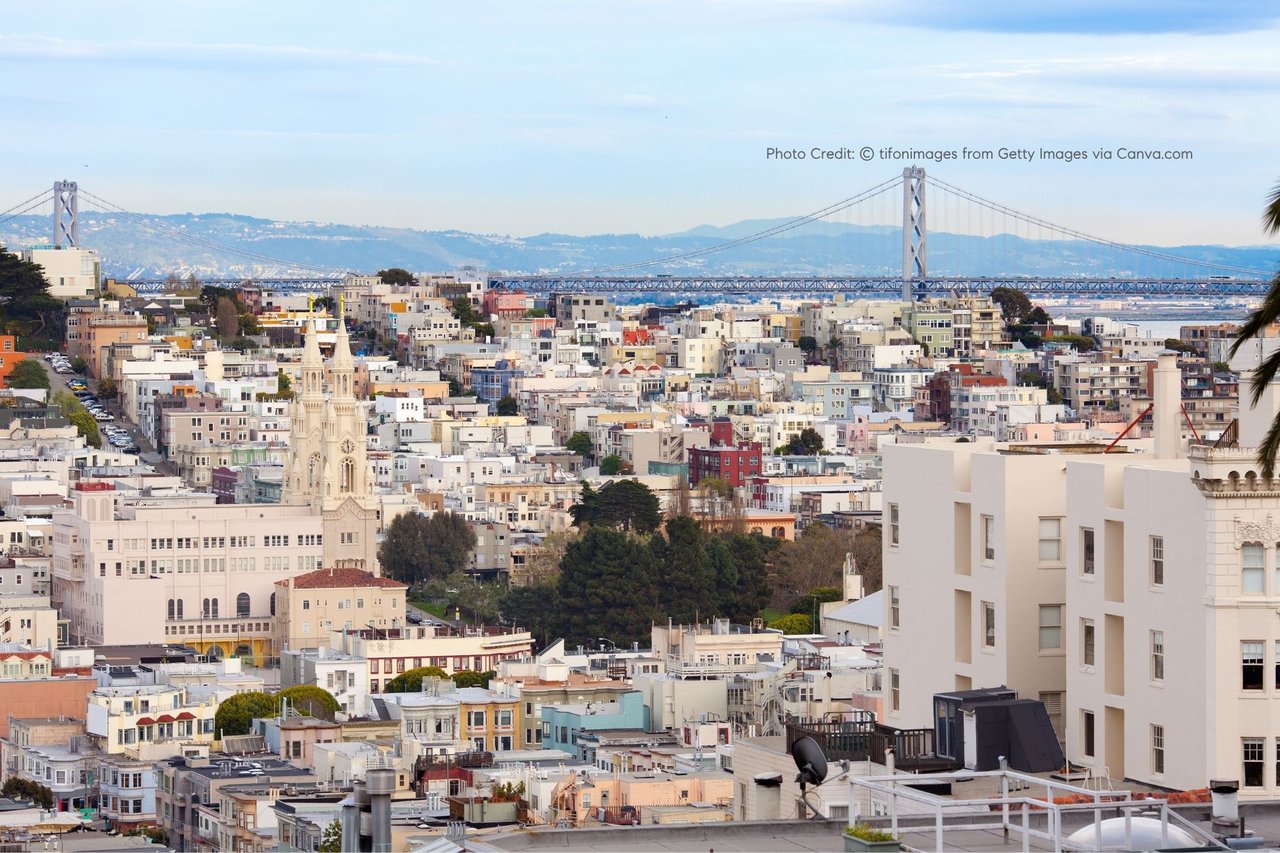
San Francisco: Local Market Dynamics
San Francisco’s housing landscape continues to defy broader market headwinds in several key ways:
-
Strong demand for walkable urban living and job proximity from tech and AI talent.
-
Luxury neighborhoods reaching record median prices compared with wider Bay Area metrics.
-
Bidding competition that remains vigorous for single-family homes in desirable districts.
Yet broader reports also suggest that San Francisco’s overall market competitiveness ranks lower nationally on some mortgage-based outlook lists, reflecting affordability pressures and inventory challenges unique to high-cost coastal cities.
This nuanced environment highlights a critical takeaway for local buyers and sellers in San Francisco: location, price strategy, and market timing matter more than ever.
Marin County: A Distinct and Competitive Submarket
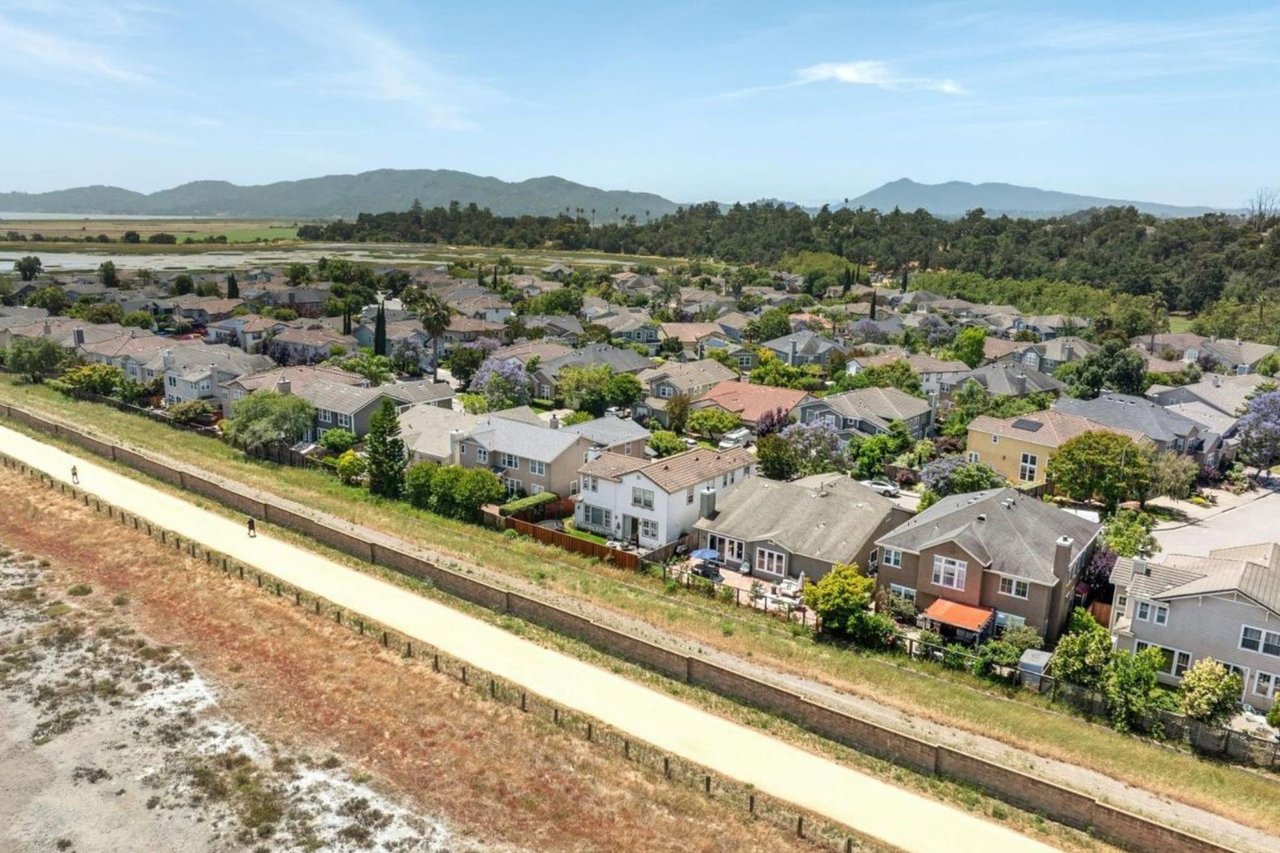
Marin County consistently attracts buyers seeking coastal lifestyle, top-tier schools, and quieter neighborhoods not far from San Francisco. Typical home values in Marin remain among the highest in the North Bay, supported by limited developable land and strong lifestyle demand.
Inventory dynamics in Marin often result in:
-
Longer days on market in some segments, especially at higher price points.
-
Competitive bidding in wellpriced properties that reflect lifestyle and community value.
-
Seasonal variation, where early spring and summer inventory often sees stronger activity.
While price growth in Marin may be slightly more muted compared with core San Francisco markets, the region’s quality-of-life premium tends to support stable valuations and ongoing buyer interest.
What This Means for You: A Practical Perspective
For Buyers in San Francisco & Marin County:
-
Use mortgage rate trends to assess monthly payment thresholds, not just list price.
-
Explore neighborhoods with strong infrastructure and lifestyle appeal.
-
Be proactive; quality homes with realistic pricing will still attract interest.
For Sellers:
-
Stage and price homes to capture demand early in the listing cycle.
-
Understand that even modest price improvements can yield notable value in local contexts.
-
Highlight community attributes and local data on days on market, sale-to-list ratios, and comparable activity.
Final Takeaways
The 2026 outlook for the Bay Area housing market suggests steady but not explosive growth, with meaningful sales activity, modest price appreciation, and improving inventory conditions — all shaped by localized forces and unique community dynamics in San Francisco and Marin County.
Whether you’re planning to buy, sell, or simply stay informed, focusing on hyper-local data, mortgage trends, and neighborhood-specific movement will help you navigate this evolving market with confidence.
Reach out anytime to explore your home’s value, neighborhood trends, or current opportunities across San Francisco and Marin County. Local insight truly makes the difference.
source: paloaltoonline.com