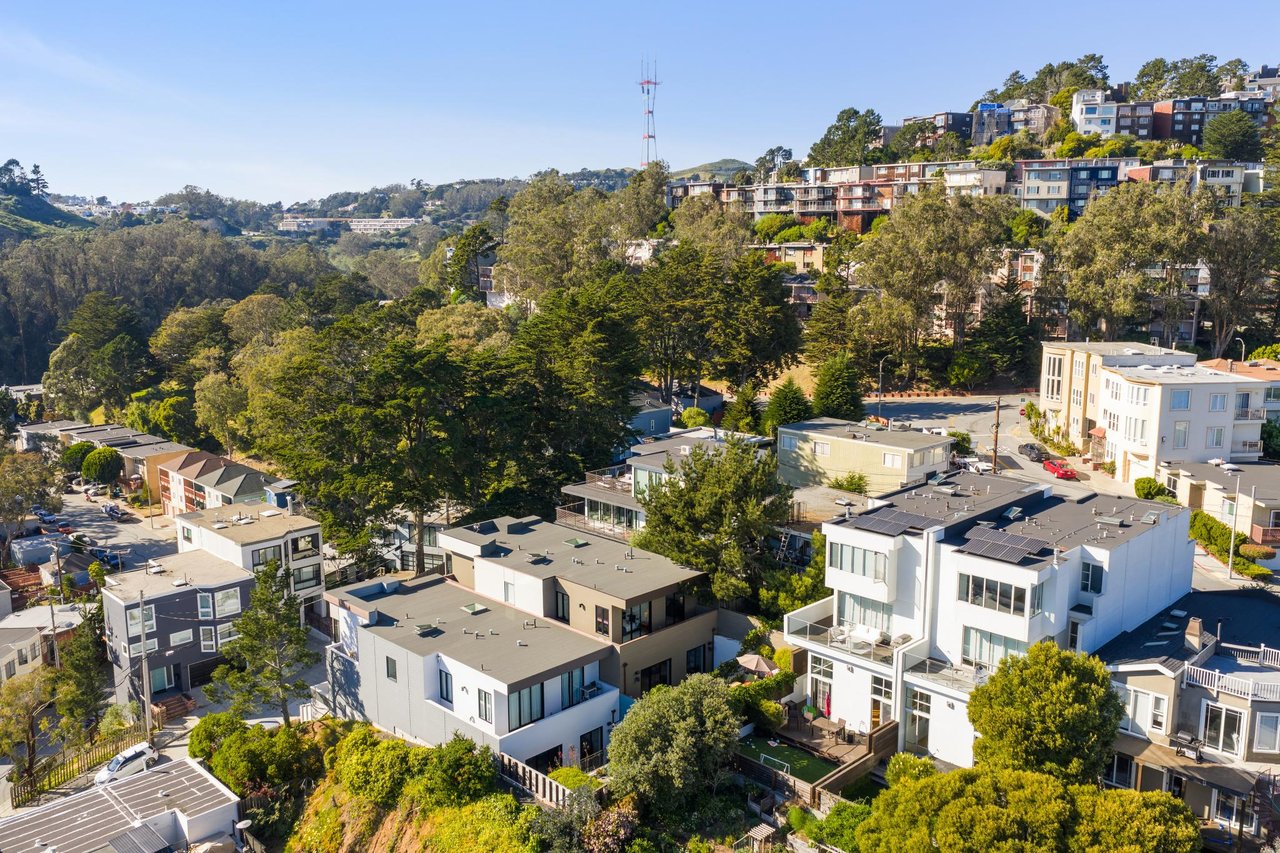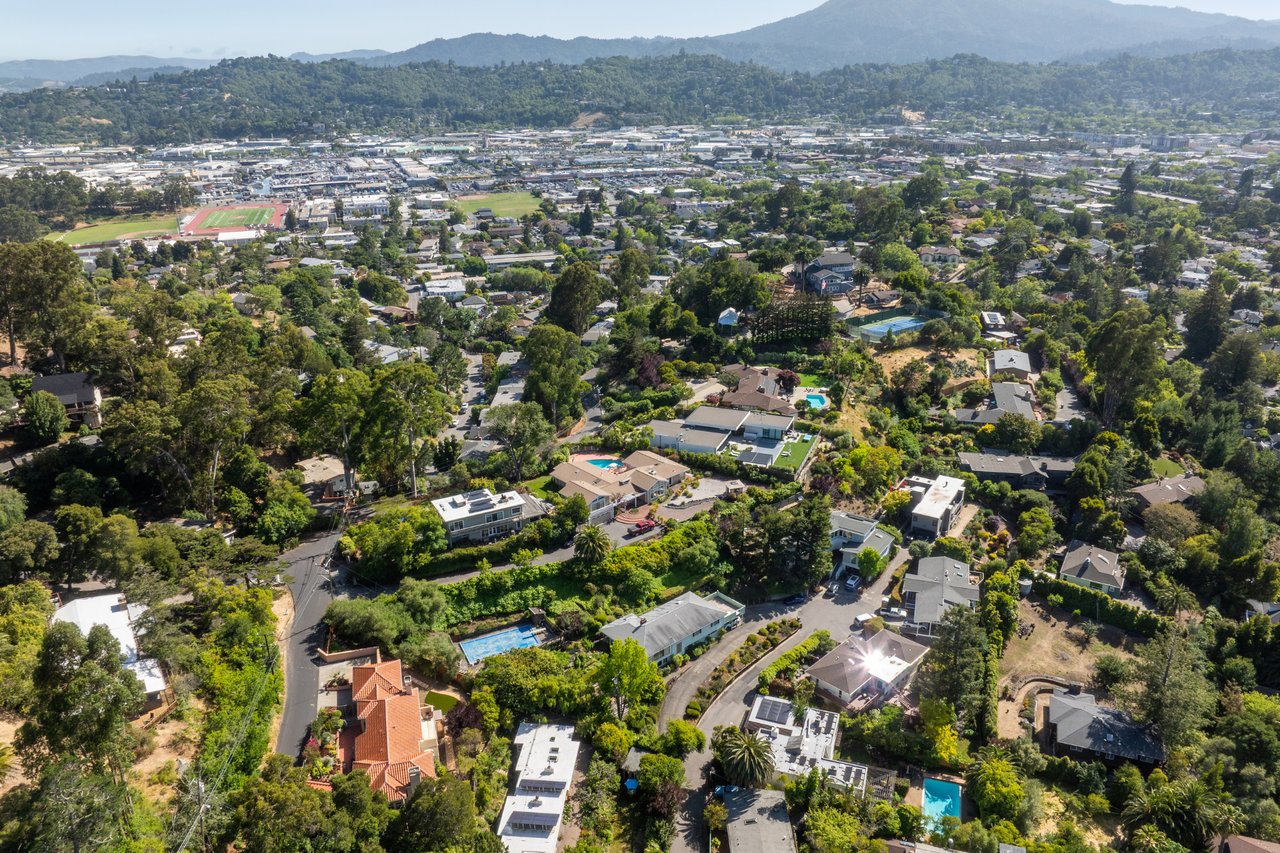
San Francisco Real Estate Market Report
Is the San Francisco housing market rising in 2026?
According to Compass, San Francisco’s median home prices have continued trending upward despite slower national appreciation. The city remains one of the few major U.S. markets showing sustained pricing strength entering 2026.
The primary factor is constrained housing supply combined with growing demand — particularly from technology and AI-sector employment expansion. Inventory remains limited across many neighborhoods, contributing to competitive offer activity for well-positioned homes.
Single-family homes reflect the tightest supply conditions, though the condominium segment has also shown measurable recovery compared to previous years. Rental rates have risen alongside job growth, further signaling renewed housing demand.
What is driving demand in San Francisco?
Several structural factors are influencing buyer activity:
-
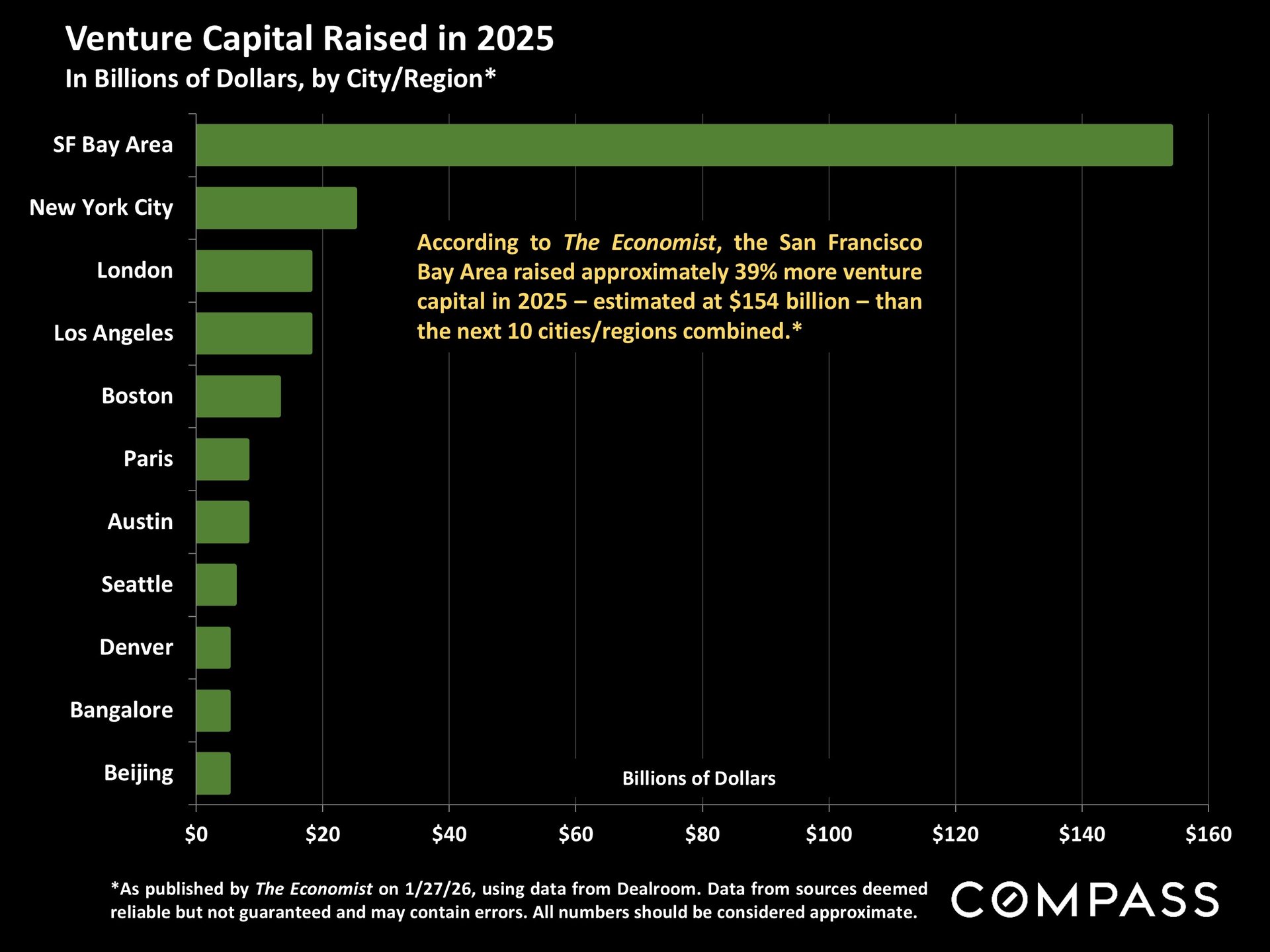
Continued AI startup growth and capital investment
-
Rising company valuations and equity-based compensation
-
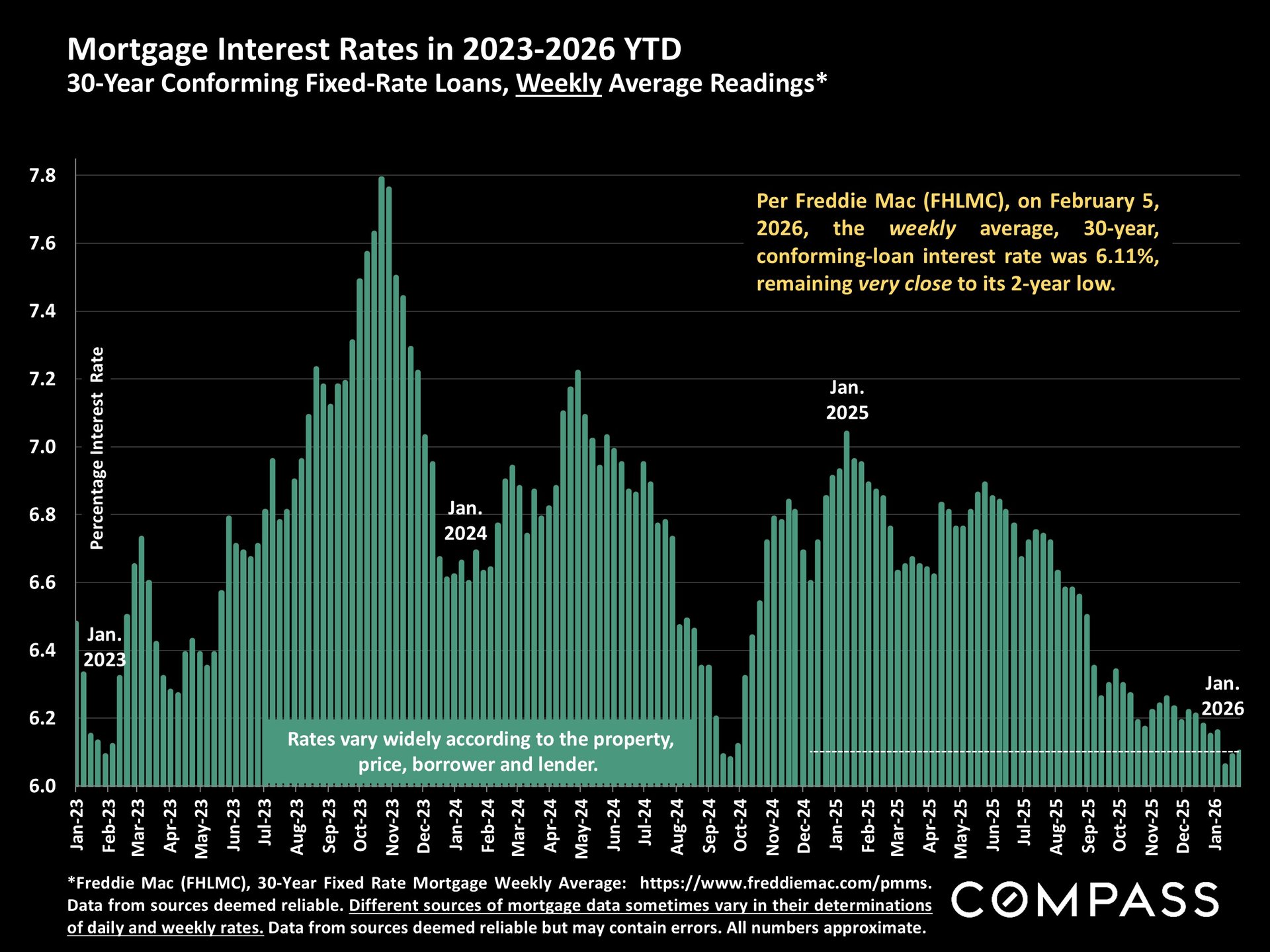
Interest rates near multi-year lows compared to historical norms
-
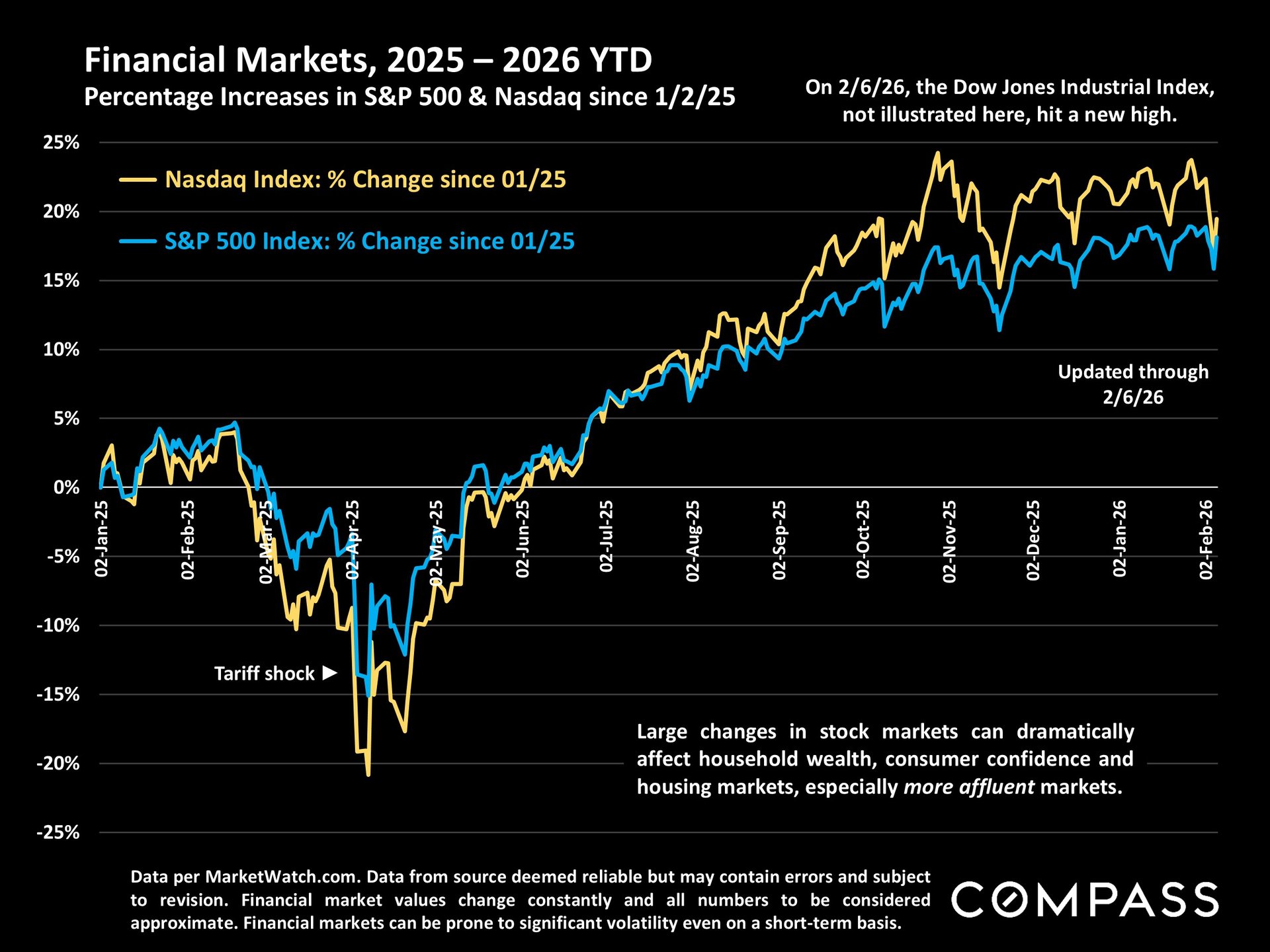
Elevated stock market levels supporting household wealth
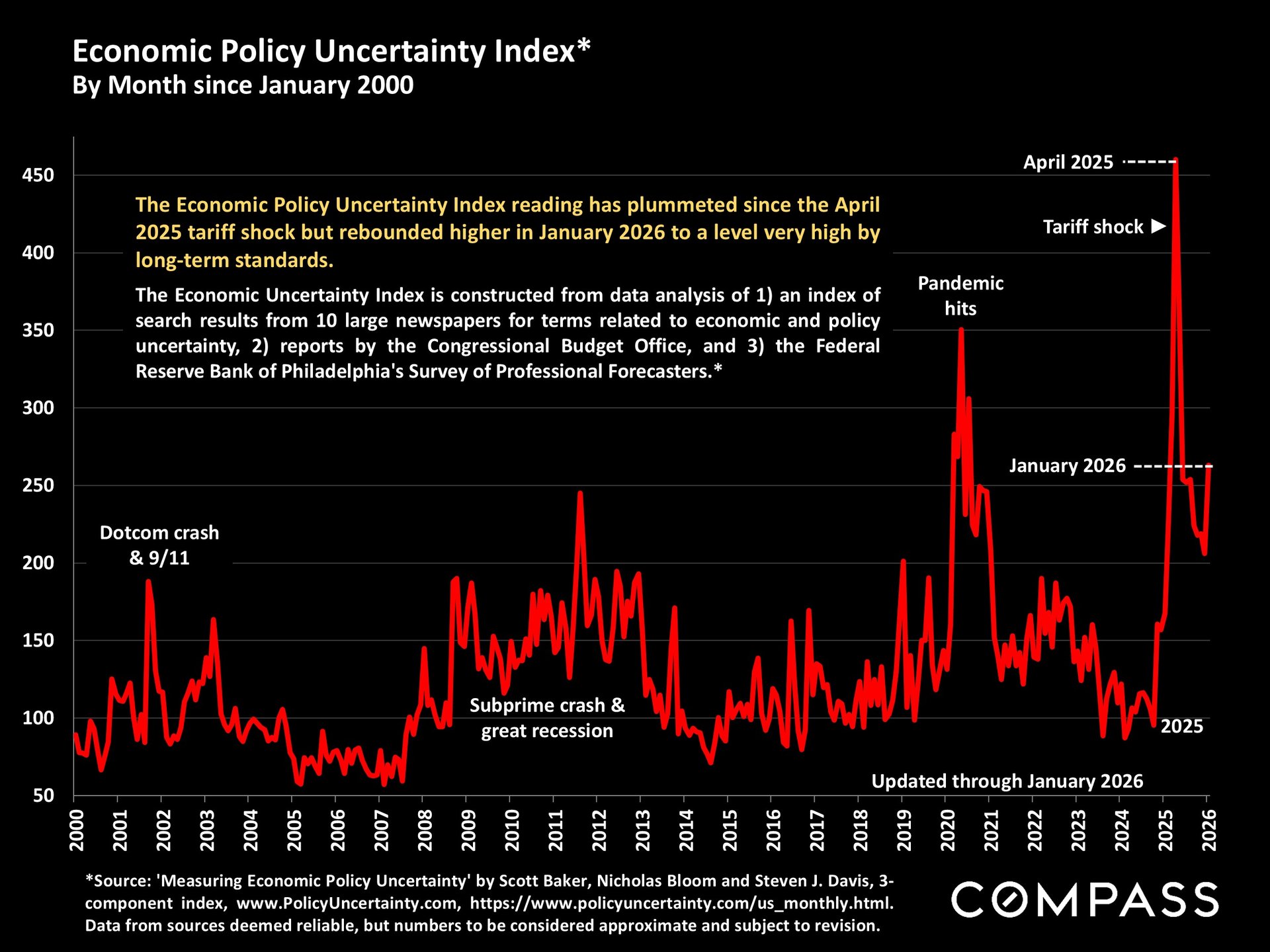
While national consumer sentiment surveys indicate broader economic caution, higher-income buyers remain active in San Francisco. Over the past two years, this demographic has accounted for a significant portion of transaction volume.
Compass anticipates that seasonal acceleration — which in the Bay Area often begins as early as February — may contribute to a competitive spring market.
Marin County Real Estate Market Report
Is Marin County entering a competitive spring market?
According to Compass data, Marin County typically experiences an early-year supply-demand imbalance. Listing inventory reaches seasonal lows in December and begins to rise in late January, but buyer demand often increases more quickly than new supply enters the market.
This dynamic frequently creates competitive conditions that support pricing stability and, in some cases, appreciation — particularly during the spring months.
January sales data largely reflects transactions negotiated during the slower holiday period, which is why early-year volume can appear muted. Activity levels historically increase as inventory expands in late winter.
Why does Marin remain resilient?
Marin County remains one of the most affluent counties in the United States, and its buyer pool is often less sensitive to short-term economic fluctuations.
Supporting factors include:
-
Relative interest rate stability
-
Strong regional equity markets
-
Continued wealth generation tied to the Bay Area technology sector
-
Limited long-term housing supply
Although national economic indicators present mixed signals, Marin’s market fundamentals remain distinct due to wealth concentration and constrained inventory.
Bay Area Spring Market 2026: Bottom Line
San Francisco and Marin County are entering the 2026 spring season with:
-
Historically tight inventory
-
Stable-to-rising median pricing
-
Concentrated demand among financially qualified buyers
-
Continued influence from AI-sector growth
While broader U.S. housing conditions remain mixed, Bay Area markets continue to be supported by structural supply limitations and high-income buyer participation. Barring significant macroeconomic disruptions, current data suggests a competitive spring environment ahead.
source: compass.com
Contact Marks Realty Group if you have any questions, we are here to help you.
CLICK HERE TO SEE THE FULL MARIN COUNTY REPORT
CLICK HERE TO SEE THE FULL SAN FRANCISCO REPORT