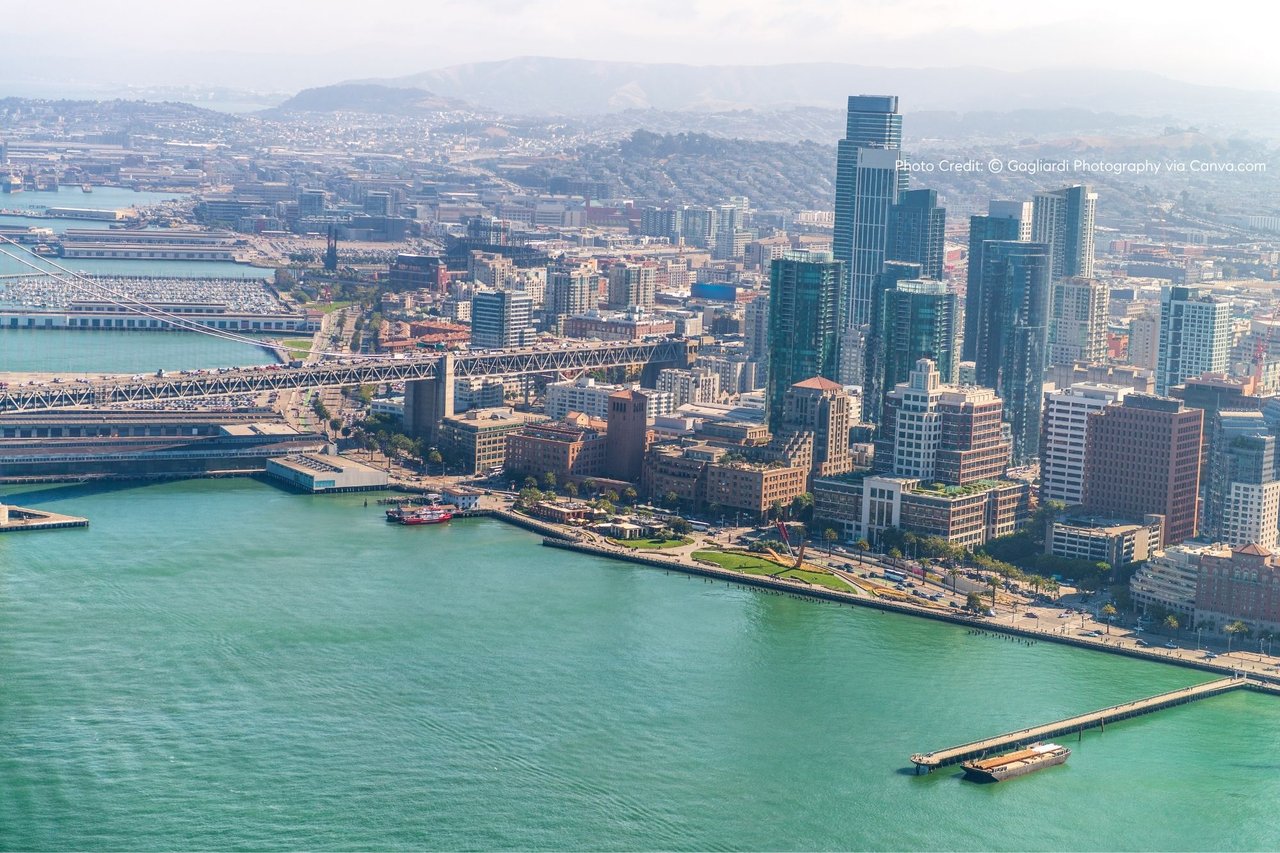
According to sfstandard.com, San Francisco is steadily rebounding across multiple fronts, from its residential and commercial real estate markets to tourism, retail, and small businesses. While challenges remain, the data shows a city regaining momentum and offering new opportunities for investors, homeowners, and businesses alike. Here’s a deep dive into San Francisco’s comeback story and why 2026 could be an exciting year for the city.
Tourism: A City Reopening to the World
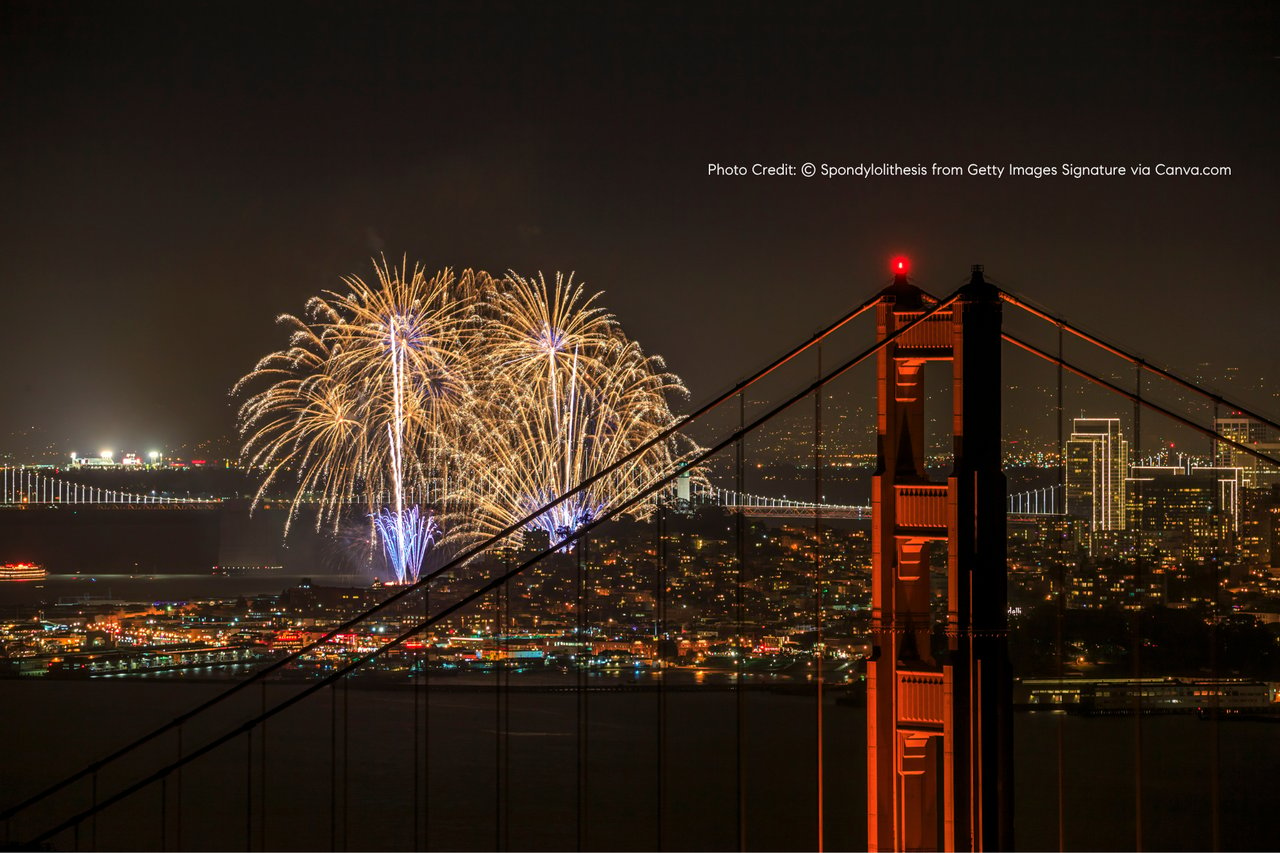
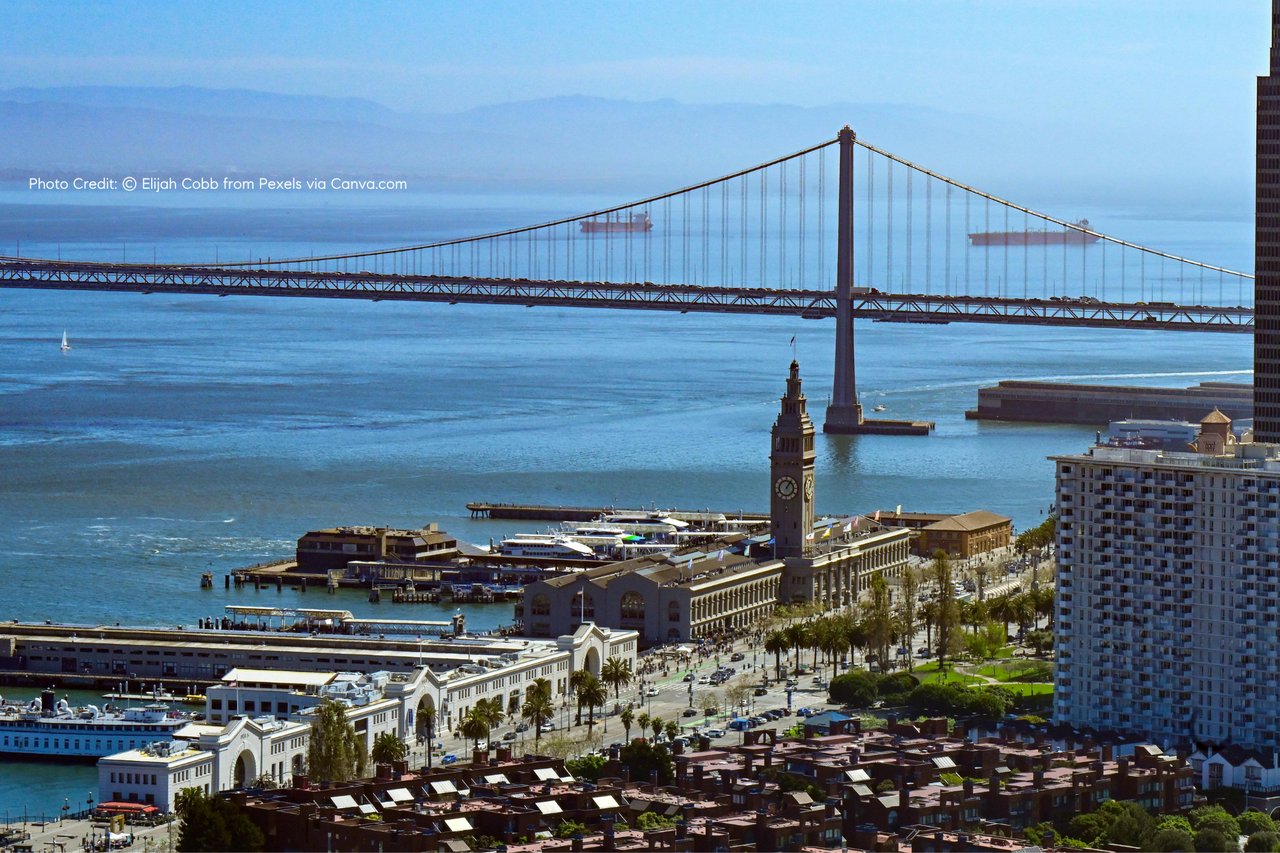
San Francisco’s tourism sector is showing encouraging signs of recovery. Hotel occupancy rates throughout 2025 occasionally exceeded pre-pandemic levels, demonstrating the city’s appeal to visitors. Domestic travel remains strong, and the city’s reputation as a vibrant, culturally rich destination is resurging. San Francisco ranks among the top trending travel destinations for 2026 based on online searches.
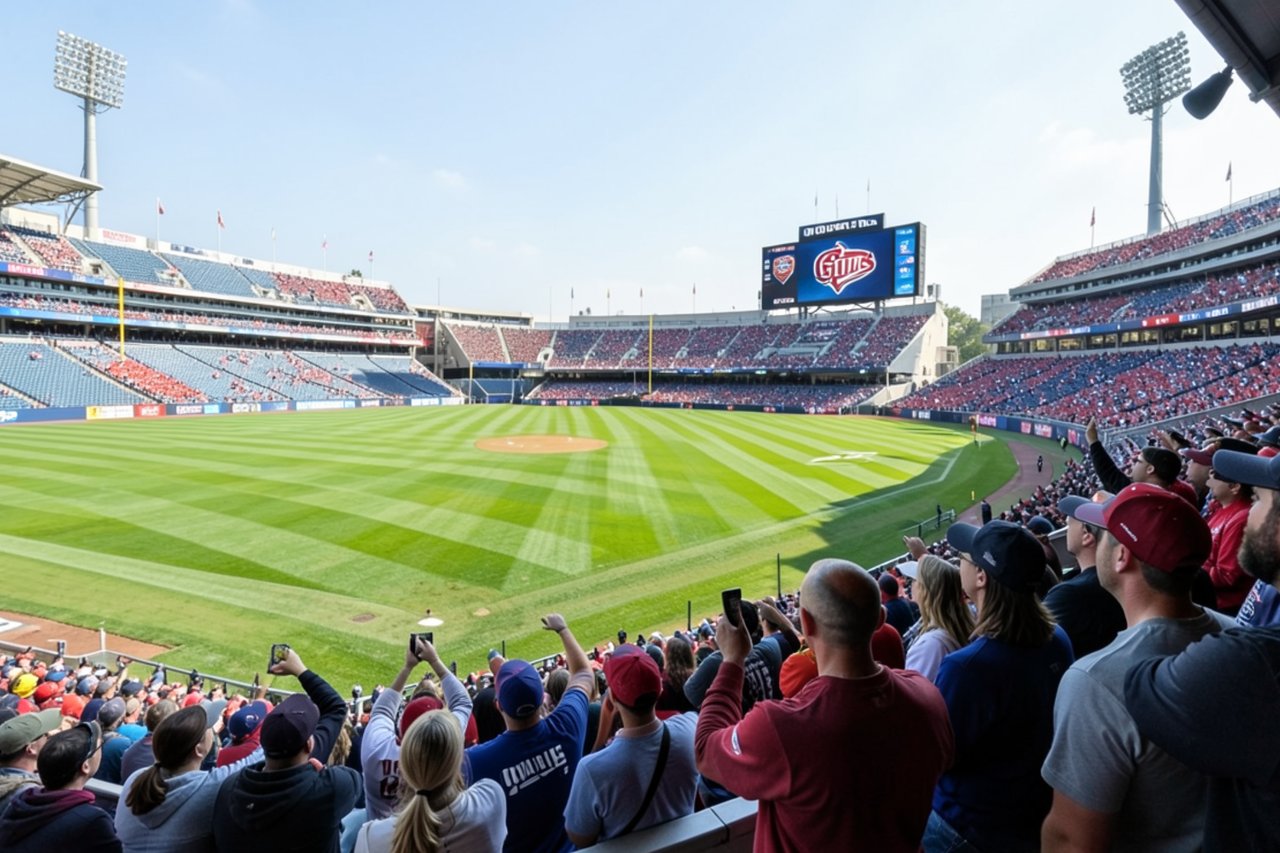
Major upcoming events, including the Super Bowl and several World Cup matches, are expected to generate significant visitor activity. Conference bookings at the Moscone Center are also up, projecting hundreds of thousands of hotel room nights for the year. These indicators suggest tourism in San Francisco is poised for an impressive rebound, making the city a hotspot for travelers and investors in hospitality-related real estate.
Economic Outlook: Tech and AI Driving Growth
San Francisco’s economy is gradually stabilizing. While job losses in tech have impacted overall employment rates, the AI industry has become a new engine of growth. Venture capital investment continues to flow into AI startups, with companies leasing more office space and expanding their presence in the city.
The rise of AI and other emerging industries is creating new opportunities for commercial tenants and investors. Neighborhoods like Mission Bay and Jackson Square have seen increased foot traffic as workers return to offices in these tech-forward areas. This trend benefits local businesses, restaurants, and service providers, fueling a positive cycle of economic activity.
Retail Recovery: Neighborhoods Thriving
San Francisco’s retail market is on a positive trajectory. Vacancy rates dropped to 6.5% in 2025, a notable improvement from previous years. Sales and leasing activity surged, especially in prime commercial corridors like Hayes, Fillmore, Chestnut, and Jackson streets, where space is nearly fully occupied.
Even in areas still adjusting after pandemic disruptions, leasing momentum is picking up, and retail activity is showing strength. Union Square, in particular, is bustling with visitors, signaling renewed confidence in the city’s retail sector. This revitalization reflects both growing consumer demand and strategic urban development.
Small Businesses: A Mixed but Hopeful Picture
Although the launch of new small businesses dipped in the latter half of 2025, existing enterprises demonstrated resilience and growth. Restaurants, cafes, and service providers reported higher reservation rates and sales, indicating healthy consumer spending.
Data from the Fiserv Small Business Index shows an overall increase in sales activity across San Francisco and neighboring cities, reinforcing the city’s potential as a supportive environment for small business operations. While challenges remain for entrepreneurs, the ecosystem is adapting, making San Francisco a city worth watching for small business opportunities.
Transit and Commuting: A Work in Progress
Public transportation continues to face hurdles. BART and Muni experienced disruptions in 2025, and ridership has yet to return to pre-pandemic levels. Funding shortfalls require innovative solutions and potential voter-approved measures to ensure reliable service in 2026.
However, areas with strong commercial and tech growth are seeing significant increases in office foot traffic. Employees are returning to work in emerging neighborhoods, providing a boost to nearby businesses and signaling a selective but meaningful recovery in commuter activity.
Residential Real Estate: A Hot Market for Buyers and Investors
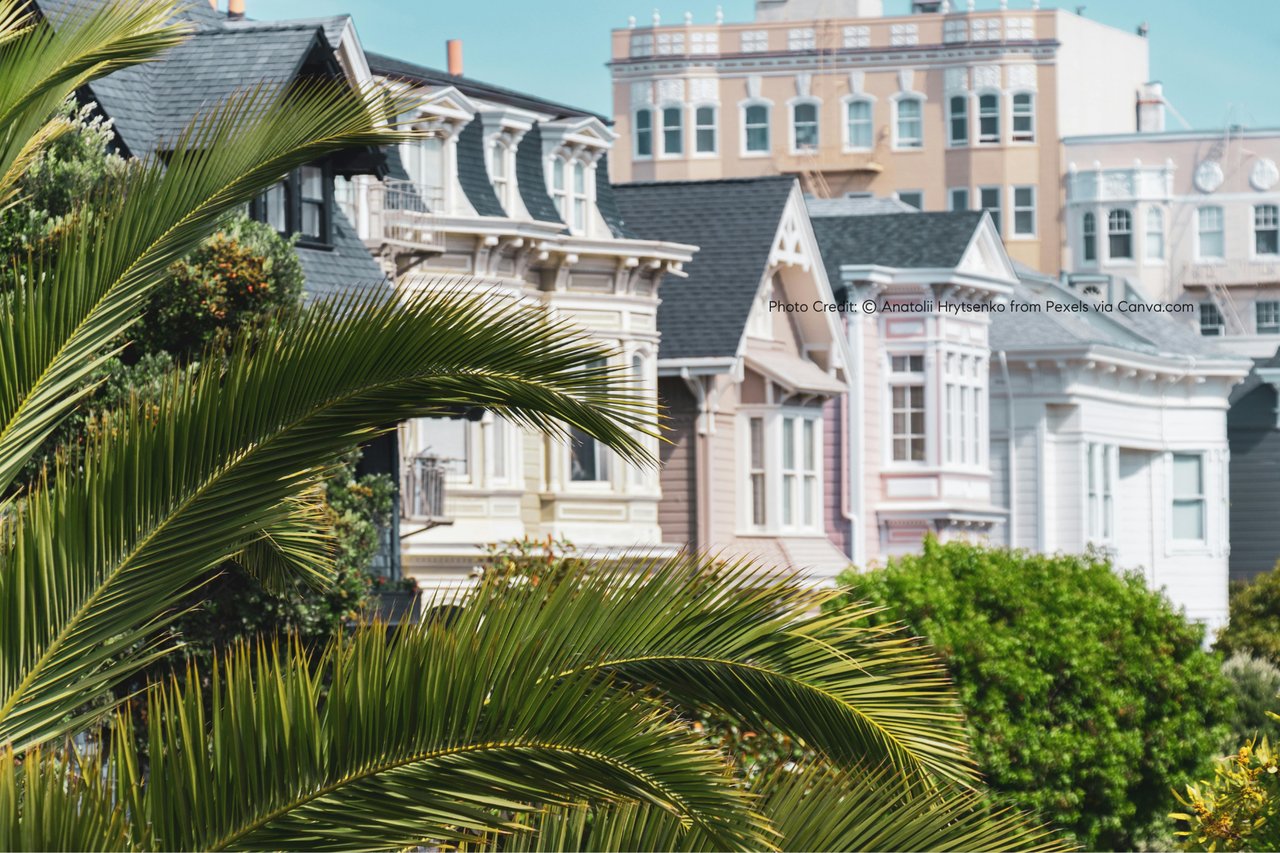
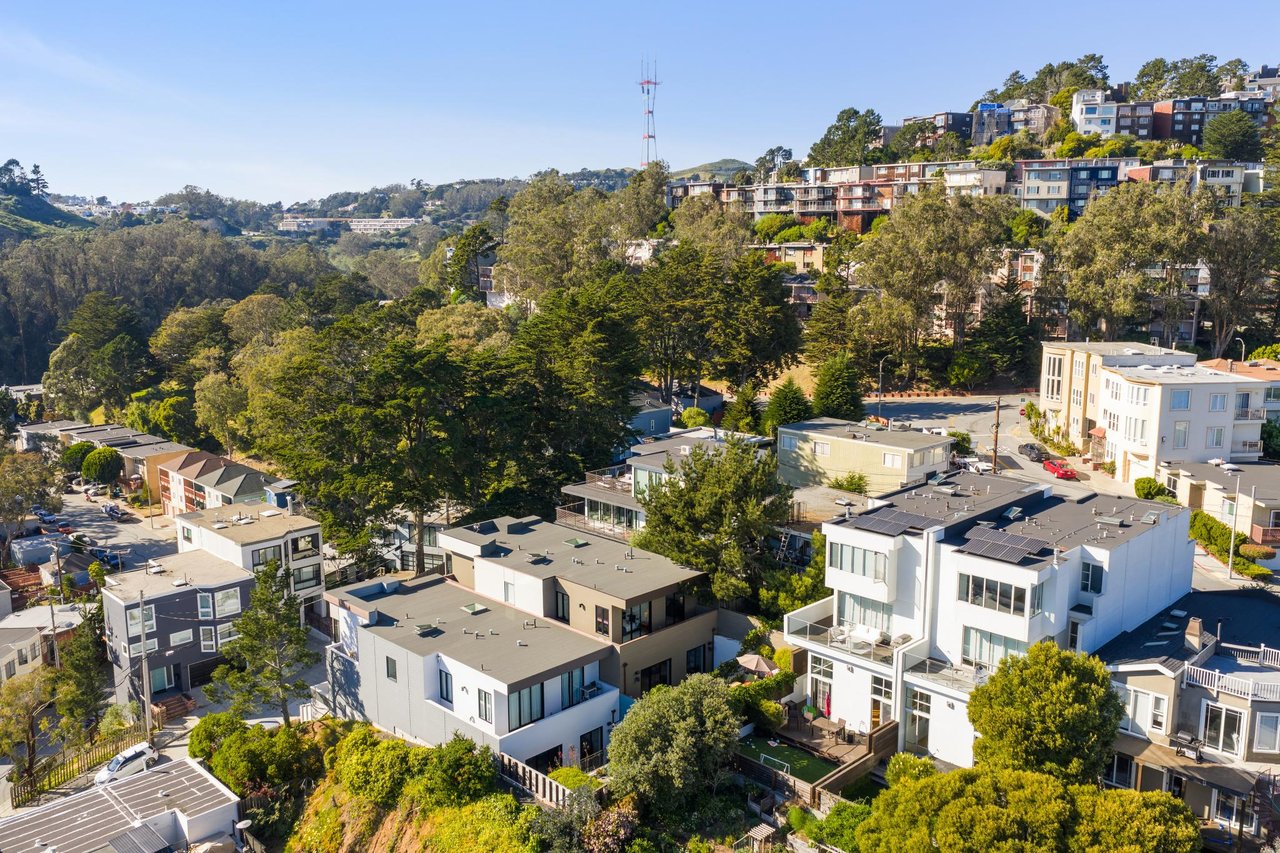
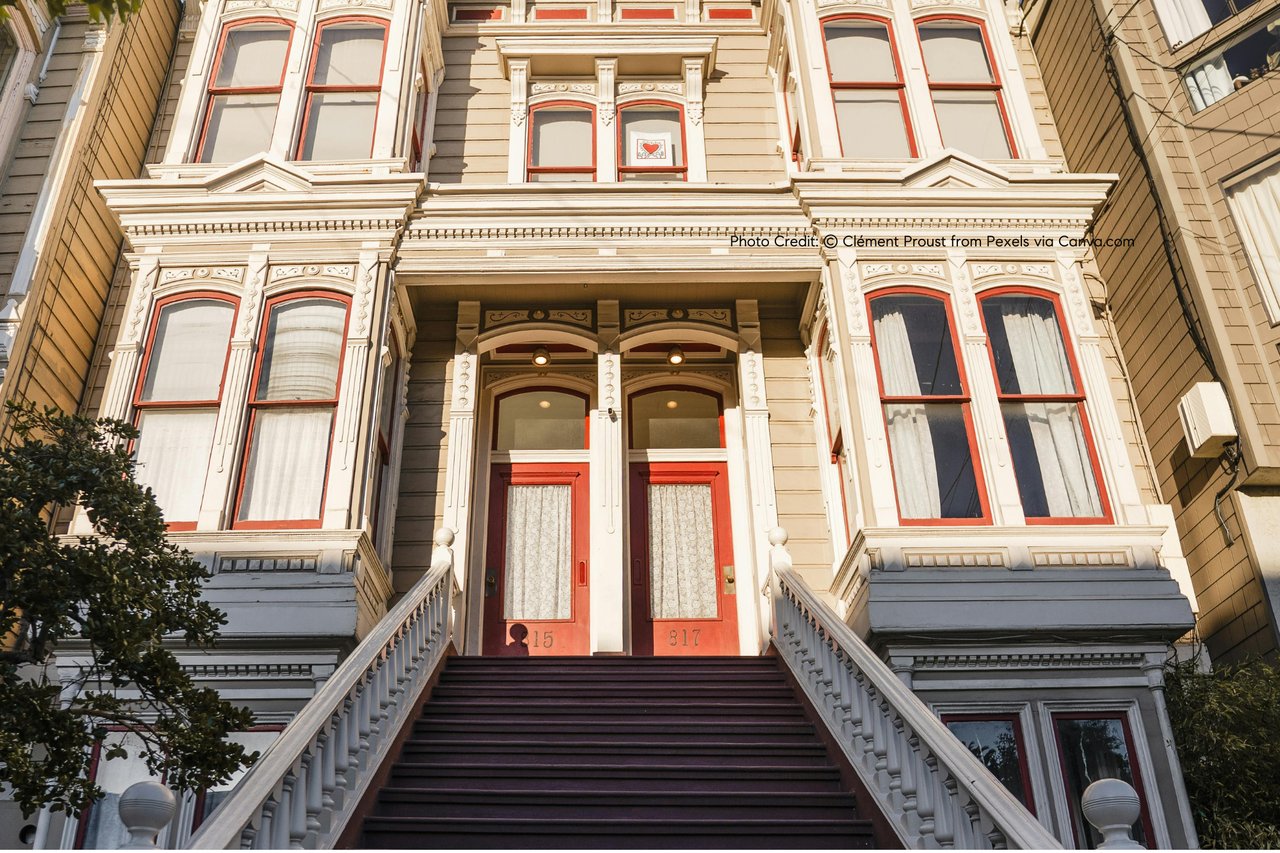
San Francisco’s housing market saw a resurgence in the latter half of 2025, with high-demand sales and rising rents reflecting renewed interest in the city. Rentals became more competitive, with availability dropping and rents increasing across one- and two-bedroom apartments.
The trend is favorable for homeowners, landlords, and real estate investors. Construction permits are increasing, suggesting more supply in the pipeline, though demand remains strong. The city’s residential market is positioning itself as a prime opportunity for long-term growth and investment.
Commercial Real Estate: Optimism on the Horizon
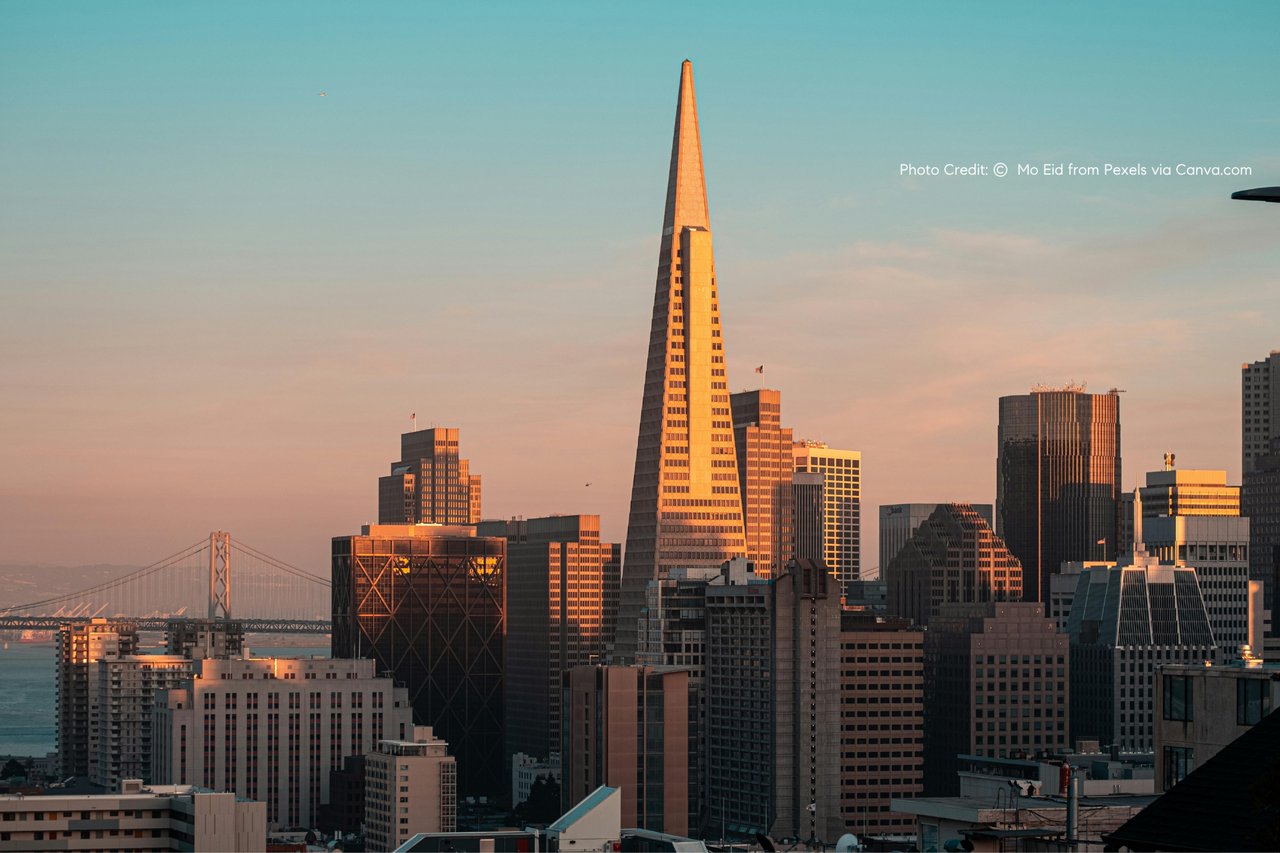
San Francisco’s commercial property sector is attracting renewed institutional interest. While overall office vacancy remains elevated, key neighborhoods like Mission Bay and the Presidio have low vacancy rates, reflecting concentrated demand from tech and venture capital firms.
Leasing activity surpassed space being vacated for the first time since 2019, signaling a potential turnaround. With several major office buildings expected to change hands in 2026, investors and tenants can anticipate new leasing opportunities, modernized amenities, and revitalized office spaces that support the city’s economic resurgence.
Safer Streets: Crime on the Decline
Public safety is a major factor in the city’s recovery. Crime rates in San Francisco have dropped to levels not seen in decades, with reductions in violent crime and property offenses. This improvement strengthens confidence for residents, tourists, and business owners alike, adding to the city’s appeal as a safe, vibrant place to live, work, and visit.
Looking Ahead: San Francisco’s 2026 Outlook
Overall, San Francisco is navigating a measured but positive comeback. The city’s tourism, real estate, retail, and tech sectors are showing momentum, while public safety improvements create a welcoming environment. Challenges remain in transit funding and small business launches, but the data paints a picture of a city increasingly confident in its growth trajectory.
For homeowners, landlords, and investors, 2026 presents opportunities across residential and commercial markets. With AI-driven job growth, major events boosting tourism, and a safer, livelier city landscape, San Francisco is poised to offer dynamic prospects for those looking to invest, live, or launch businesses in the Bay Area.
If you’re interested in exploring San Francisco’s real estate market or want guidance on buying, selling, or investing, reach out to Marks Realty Group for expert advice and insights into the city’s most exciting opportunities.
source: sfstandard.com