The Bay Area real estate market is entering 2026 with renewed energy — and nowhere is that momentum more visible than in the rental sector. After several years of volatility, shifting work patterns, and recalibrated pricing, the region is once again experiencing strong rental demand, tightening supply, and a wave of large-scale redevelopment that could reshape entire neighborhoods.
For renters, that means increased competition and rising prices in prime locations. For investors and property owners, it signals opportunity — particularly in submarkets tied to job growth and long-term urban revitalization.
Here’s what’s driving the surge — and what to expect in the year ahead.
Tech Expansion Is Reigniting Housing Demand
One of the most significant commercial real estate moves of 2025–26 is a massive new office lease in Mountain View. According to reporting from the San Francisco Chronicle, OpenAI has signed a 450,000-square-foot lease in Mountain View, marking one of the largest Silicon Valley office transactions in recent years.
OpenAI’s expansion signals more than just one company’s growth. It reflects renewed confidence in Silicon Valley’s long-term position as a global innovation hub. As AI, machine learning, and related industries continue to scale, high-paying jobs are following — and housing demand tends to follow job growth.
Historically, major tech expansions translate directly into increased rental absorption in nearby markets. Mountain View, Sunnyvale, Palo Alto, and parts of San Francisco typically see rental tightening when large employers expand. Highly compensated employees often enter the market first as renters before transitioning into homeownership, placing immediate pressure on available inventory.
For investors, proximity to employment centers once again matters. Properties near major campuses and transit corridors are positioned to benefit most from this renewed hiring cycle.
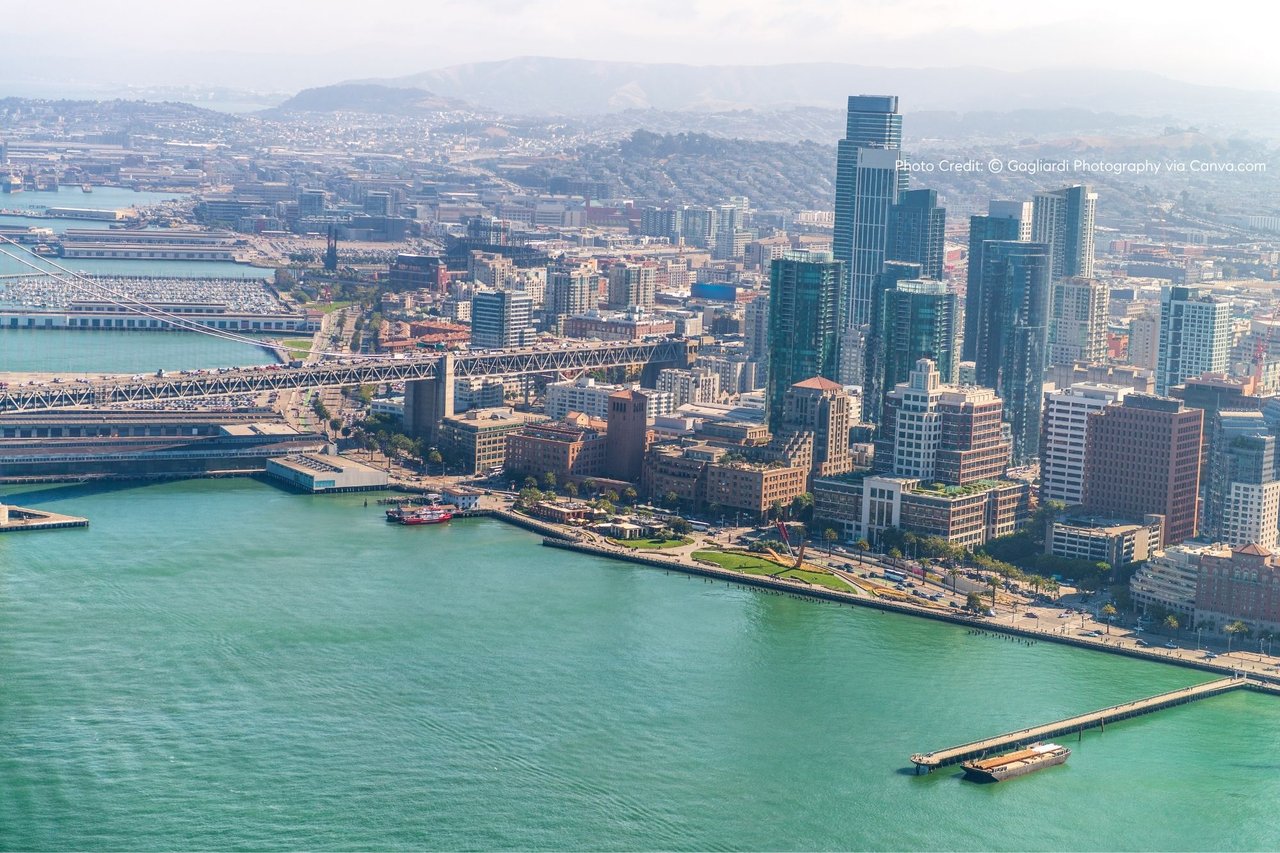
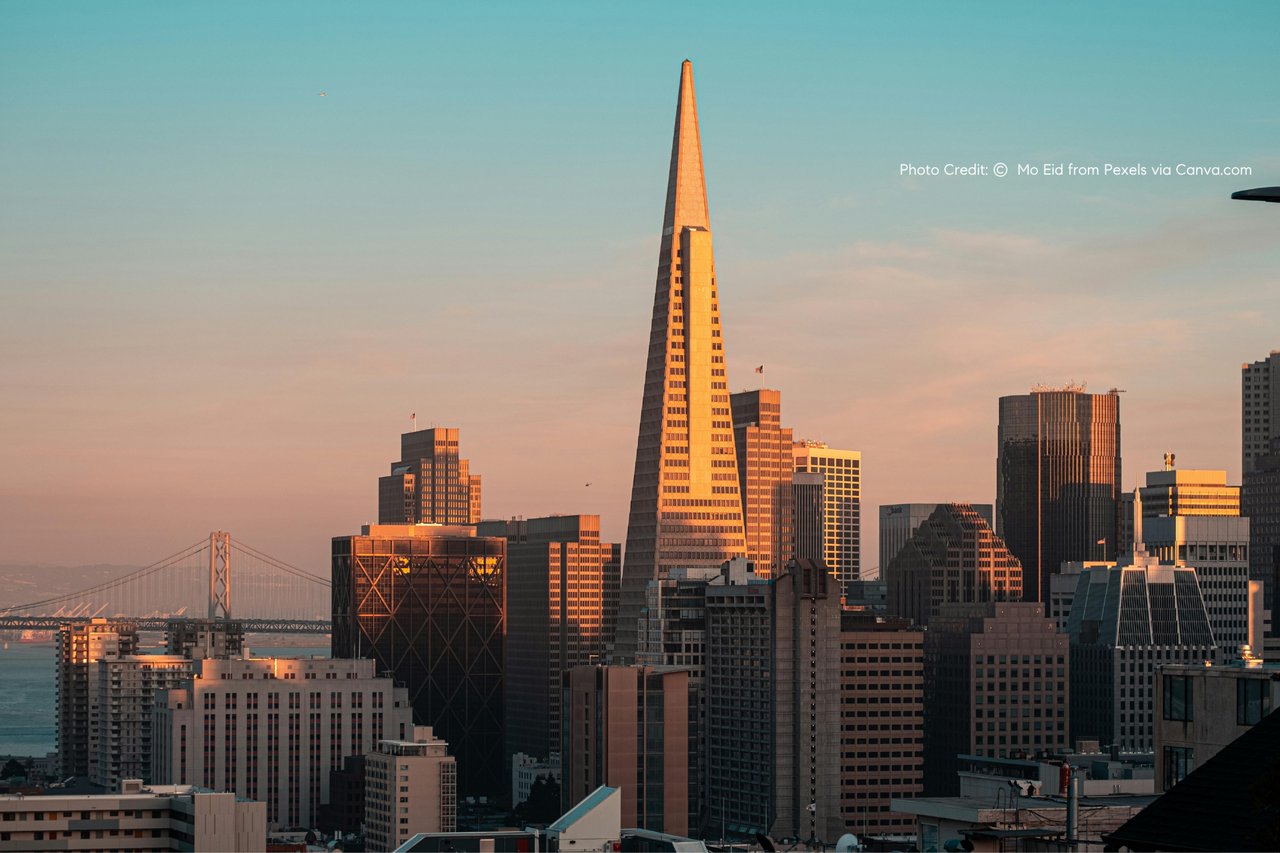
Redevelopment of Downtown San Francisco Could Be a Game Changer
Downtown San Francisco has faced well-documented challenges in recent years. But 2026 may mark a turning point.
The former San Francisco Centre mall — once valued at over $1 billion — has been sold to two local developers in a deal reportedly exceeding $130 million, according to the San Francisco Chronicle.
San Francisco Centre sits in a critical downtown corridor. Early indications suggest the redevelopment could include residential towers, entertainment venues, and mixed-use elements.
This type of repositioning aligns with a broader urban trend: converting underperforming retail and office properties into housing and experiential destinations. If executed well, it could inject new residential density into downtown — increasing long-term housing supply while simultaneously revitalizing the core.
In the short term, however, redevelopment projects of this scale take years to deliver. Entitlement timelines, construction costs, financing challenges, and regulatory approvals often slow progress. That lag between demand and new supply is one of the key forces keeping rents elevated today.
California’s Price Resilience Signals Strong Underlying Demand
While many U.S. markets are experiencing price softening and seller concessions, parts of California continue to see homes trade at or above asking price.
Reporting from SFGate highlights that several California metros are still experiencing competitive bidding environments, even as national trends show cooling.
That resilience matters for the rental market.
When home prices remain firm — and mortgage rates stay elevated — more households remain renters longer. The “rent versus buy” calculation shifts when affordability constraints make purchasing less accessible. This dynamic extends rental demand cycles and tightens available inventory.
In the Bay Area, limited land, strict zoning, and high construction costs have historically constrained new housing supply. Even when demand surges, new inventory cannot be delivered quickly enough to relieve pressure. As a result, rents often respond faster than sale prices.
Development Bottlenecks Are Slowing New Supply
Although headlines often focus on new projects, the reality is that development pipelines across the Bay Area remain constrained.
Several factors contribute:
-
High construction costs
-
Elevated interest rates affecting project financing
-
Lengthy entitlement and approval processes
-
Labor shortages
-
Regulatory complexity
Even when large redevelopment projects are announced, delivery timelines can stretch five to ten years. That means 2026 rental demand will largely be met by existing inventory — not a flood of new units.
This imbalance between steady job growth and limited housing delivery creates what economists call structural undersupply. When combined with renewed tech hiring and downtown revitalization efforts, the result is upward pressure on rents.
What This Means for Renters in 2026
For renters, preparation and strategy are critical.
-
Act quickly in competitive submarkets. Areas near major tech campuses or revitalizing downtown corridors may see faster absorption.
-
Consider emerging neighborhoods. As redevelopment spreads, adjacent areas often offer better value before full transformation occurs.
-
Lock in longer-term leases where possible. In tightening markets, longer leases can provide price stability.
While rent growth may not reach the extreme peaks seen during past tech booms, the direction appears steady. Well-located properties with amenities, walkability, and transit access are likely to command premiums.
What This Means for Investors
For investors, 2026 presents a window of opportunity.
1. Rental Fundamentals Are Strengthening
Job growth tied to AI and advanced technology sectors supports stable tenant demand. High-income renters reduce vacancy risk and support premium pricing in core submarkets.
2. Limited New Supply Supports Pricing Power
Development bottlenecks mean fewer competing units in the near term. Owners of existing multifamily and rental properties may benefit from constrained competition.
3. Redevelopment Creates Long-Term Appreciation Potential
Projects like the transformation of San Francisco Centre could shift the perception and livability of downtown corridors. Early positioning in transitional neighborhoods has historically rewarded long-term investors.
4. California’s Demand Durability
Even amid broader national cooling, California’s core metros continue to demonstrate pricing strength. That resilience supports both rental income and long-term asset appreciation.
The Bigger Picture: Urban Reinvention
The story of 2026 is not simply about rent increases. It is about urban reinvention.
Silicon Valley’s continued global leadership in artificial intelligence, anchored by expansions like OpenAI’s Mountain View lease, reinforces the region’s economic engine. Downtown redevelopment efforts aim to transform underutilized retail into vibrant mixed-use neighborhoods. Meanwhile, persistent supply constraints keep fundamentals tight.
For renters, this environment requires proactive planning. For investors, it reinforces the importance of location, long-term thinking, and alignment with employment growth.
The Bay Area has historically demonstrated resilience through multiple economic cycles. As we move deeper into 2026, rental records and supply shortages are not signs of instability — they are signals of renewed demand meeting structural constraints.
In markets like San Francisco and Silicon Valley, where innovation drives global industries, housing demand remains closely tied to opportunity.
And opportunity, once again, appears to be expanding.
Thinking About Your Next Move?
Whether you are considering renting, investing, or repositioning your real estate portfolio in 2026, timing and strategy matter more than ever. With rental demand strengthening, development pipelines tightening, and major redevelopment projects reshaping key neighborhoods, informed decisions can make a significant difference in both short-term returns and long-term equity growth.
At Marks Realty Group, we closely track market data, employment trends, and local development activity to help our clients stay ahead of the curve.
If you would like a personalized rental analysis, investment evaluation, or insight into which neighborhoods are positioned for the strongest growth, reach out to our team. Let’s discuss your goals and create a strategy tailored to this evolving Bay Area market.
The opportunities are here. The question is how you position yourself to take advantage of them.