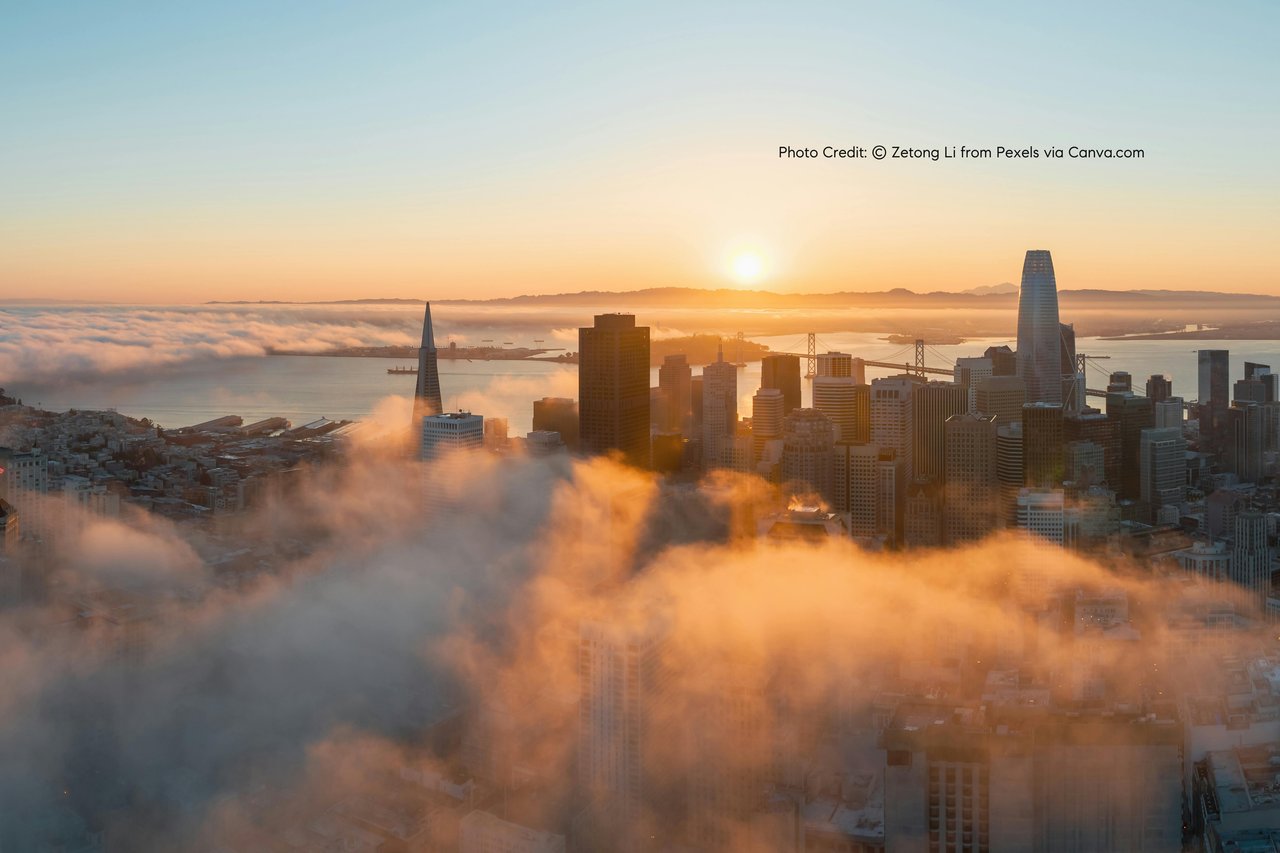
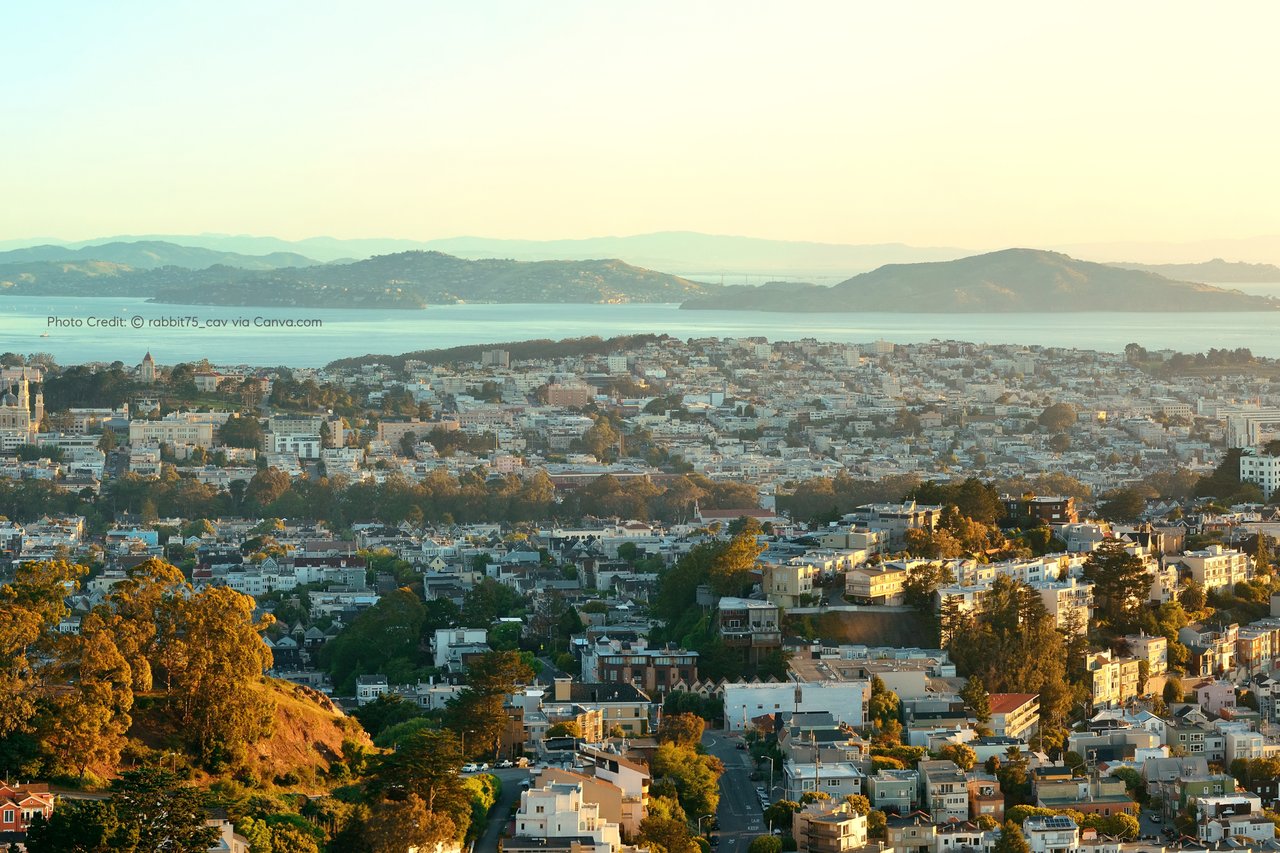
According to San Francisco Chronicle, rents in San Francisco are rising sharply once again, driving growing demand beyond the city’s limits and into neighboring communities as the Bay Area grapples with limited housing supply, strong job growth, and intense competition among renters. What had once been a cooler market following pandemic-era declines has flipped, with apartment prices now climbing faster than most major U.S. cities and vacancy rates sinking to near-historic lows.
Key Takeaways — San Francisco Rental Market 2025
-
Rents in San Francisco are rising faster than in most major U.S. cities.
-
Median one-bedroom rents now exceed $3,000–$3,400 in many neighborhoods.
-
Vacancy rates are among the lowest in years, intensifying competition.
-
Tech hiring, office returns, and population rebound continue to fuel demand.
-
Limited construction and strict zoning keep supply constrained.
-
Spillover demand is pushing rents higher in San Mateo, Berkeley, and the East Bay.
-
Both renters and investors are facing a highly competitive landscape.
A Market Rebounding with a Vengeance
San Francisco’s rental landscape has shifted dramatically. Local rent trackers show median asking prices for one-bedroom apartments now well above $3,000, with many reports placing typical rents over $3,400. These increases represent strong double-digit year-over-year growth and signal that San Francisco is once again one of the tightest rental markets in the country.
Two-bedroom units are experiencing similar pressure. Many neighborhoods — including SoMa, Mission Bay, Pacific Heights, and Russian Hill — now frequently see rents between $4,500 and $5,000 or higher. This upward trend reflects both the limited supply of available homes and the growing number of renters competing for well-located apartments.
In simple terms: demand has returned much faster than supply.
Demand Is Back — And Then Some
Several forces are fueling this resurgence in rental prices. A major driver is the return to in-person work across the region. As companies re-establish office-based schedules, many professionals prefer — or need — to live closer to San Francisco’s tech hubs. Neighborhoods with quick access to SoMa, the Financial District, and Mission Bay are experiencing the most immediate price pressure.
The city is also seeing a population rebound. Many residents who left San Francisco during the pandemic have returned, and newcomers continue to arrive for job opportunities in tech, biotech, AI, and professional services. This renewed interest has shortened days-on-market for rentals, making apartments move far more quickly than they did just a year or two ago.
Scarcity Meets Growth: Why Prices Stay High
The most significant challenge in San Francisco’s rental market is the shortage of available homes. Vacancy rates have fallen well below national averages, giving landlords leverage to set higher prices. In many cases, renters now face bidding situations similar to the competitive environment seen in the for-sale housing market.
Geography and policy are adding to the pressure. San Francisco’s limited land, layered with long-standing zoning restrictions, makes dense construction difficult. Permitting is slow. Building costs are high. These realities have slowed the pace at which new apartments can enter the market, creating a structural imbalance between demand and supply.
As a result, not just San Francisco but many surrounding communities are feeling the strain.
Spillover Beyond City Limits
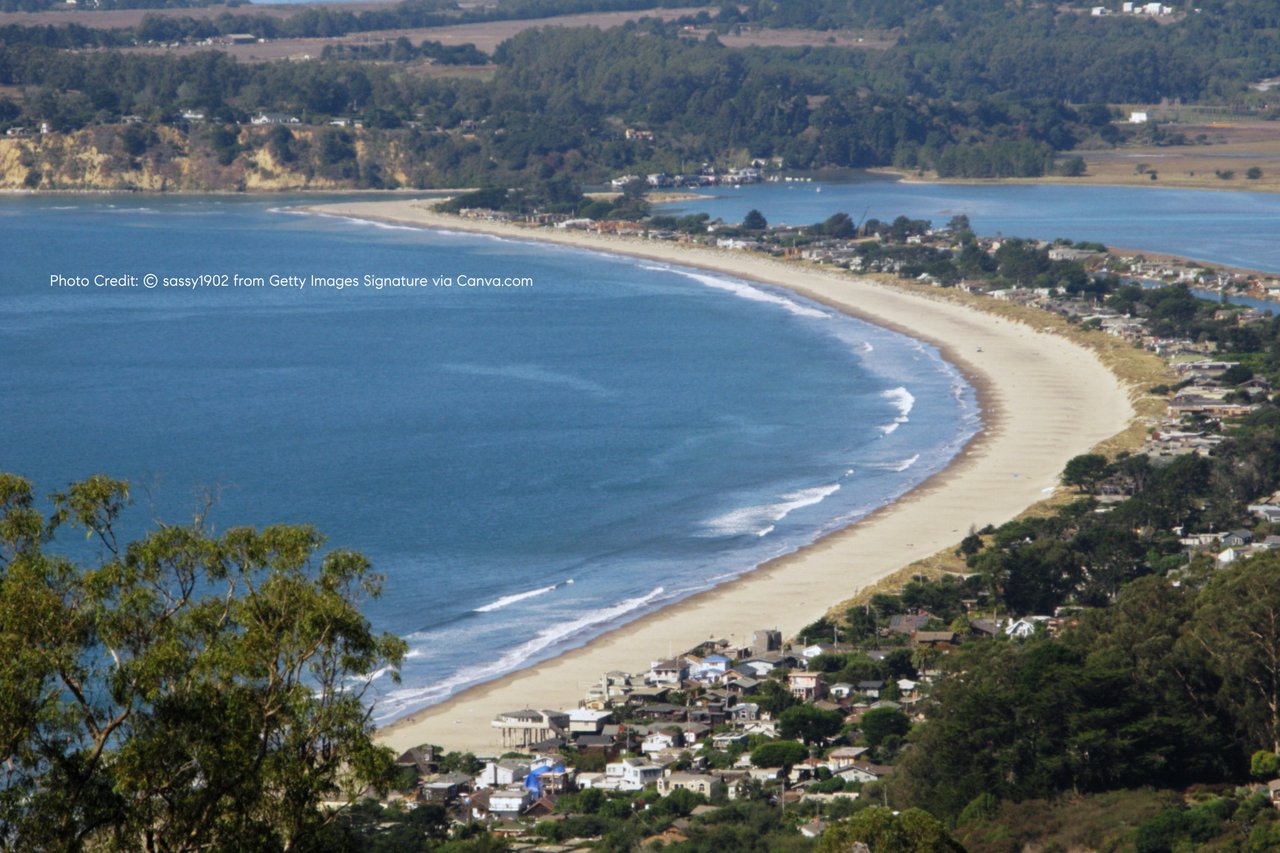
As prices inside the city continue to climb, many renters are setting their sights on the broader Bay Area.
-
San Mateo is seeing year-over-year jumps as renters look for cleaner commutes and quieter neighborhoods.
-
Berkeley is absorbing strong demand from tenants seeking relative affordability and transit access.
-
Oakland and Emeryville continue to attract renters priced out of central San Francisco while still wanting an urban lifestyle.
-
Silicon Valley cities, including Mountain View and Redwood City, have seen renewed interest due to proximity to major employers.
These areas remain more affordable than San Francisco on average, but rising demand is narrowing the gap quickly.
This regional spread is one of the strongest indicators that the Bay Area’s rental market is entering a new cycle of growth.
What This Means for Renters and Investors
For Renters:
The current environment calls for fast action and preparation. With apartments leasing quickly and competition intensifying, it’s important to:
-
Act quickly when you find a suitable unit
-
Expand your neighborhood search radius
-
Set up rental alerts on key platforms
-
Prepare financial documents in advance
-
Stay flexible on timing and features
Small adjustments can make the difference between securing a place or missing out.
For Investors:
Demand trends and shrinking vacancy rates are creating renewed momentum for rental income potential. With limited supply and strong rental valuations, well-located properties — especially those near transit or employment centers — are positioned for long-term stability and growth.
For investors evaluating opportunities, the current cycle offers:
-
Solid rent appreciation
-
High competition for quality units
-
Strong multi-year demand forecasts
-
Increasing spillover into secondary markets
The Bay Area continues to be one of the strongest rental markets in the country for long-term investment.
Looking Ahead: Will the Trend Continue?
Most forecasts indicate that San Francisco and surrounding regions will continue to see rising rents through 2025 and likely into 2026. Market factors such as population rebound, job growth, and historically low supply all point toward ongoing price pressure.
That said, future conditions will also depend on:
-
broader economic shifts
-
interest rate changes
-
local housing policy reforms
-
progress on new multifamily construction
Even with policy momentum behind new housing, meaningful change in supply will take years — meaning San Francisco renters should expect continued competition in the near future.
FAQ: San Francisco Rental Market 2025
Why are San Francisco rents rising so quickly?
Because demand has rebounded faster than supply, and vacancy rates are extremely low.
Which neighborhoods are seeing the fastest rent growth?
SoMa, Mission Bay, Russian Hill, and parts of the Mission continue to show sharp increases.
Are any Bay Area cities more affordable right now?
Cities such as Oakland, Emeryville, and parts of the East Bay offer more value, but rents there are also climbing due to spillover demand.
Will rent continue increasing into 2026?
Most analysts expect continued growth unless a major shift occurs in job growth, interest rates, or construction timelines.
In Summary
San Francisco’s rental market is experiencing a powerful comeback, driven by job growth, low vacancy rates, and renewed interest in urban living. Limited supply and strong competition are pushing rents upward both in the city and across the Bay Area. Whether you're a renter searching for your next home or an investor evaluating opportunities, understanding these trends is essential for making confident decisions in one of the country’s most dynamic markets.
Ready to Navigate the Bay Area Market?
If you’re considering a move, exploring investment opportunities, or simply want clarity on today’s evolving housing landscape, Marks Realty Group is here to guide you. Our team provides local expertise, strategic insights, and personalized support to help you make confident real estate decisions.
Reach out anytime for a market analysis, pricing guidance, or neighborhood recommendations.
We’re always happy to help you take the next step in the Bay Area real estate market.
source: sfchronicle.com