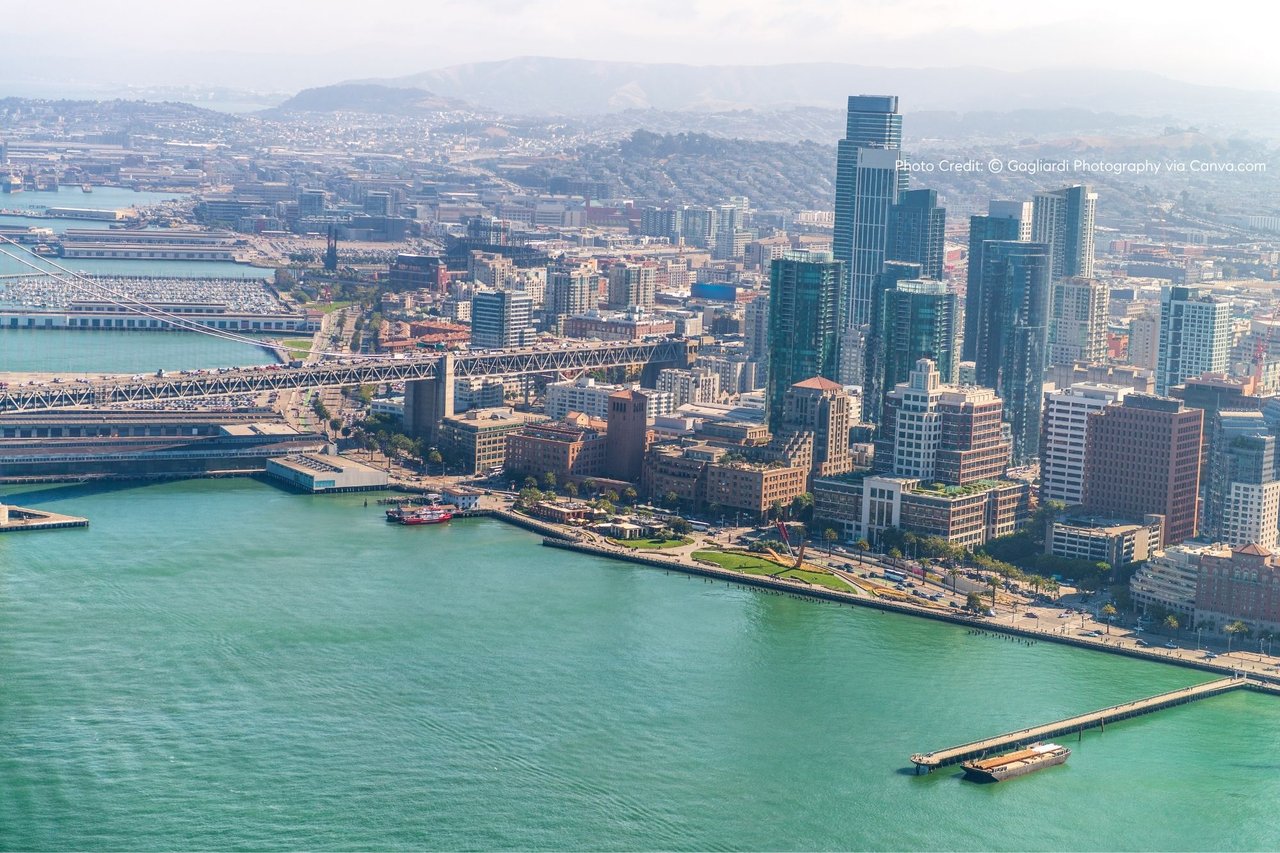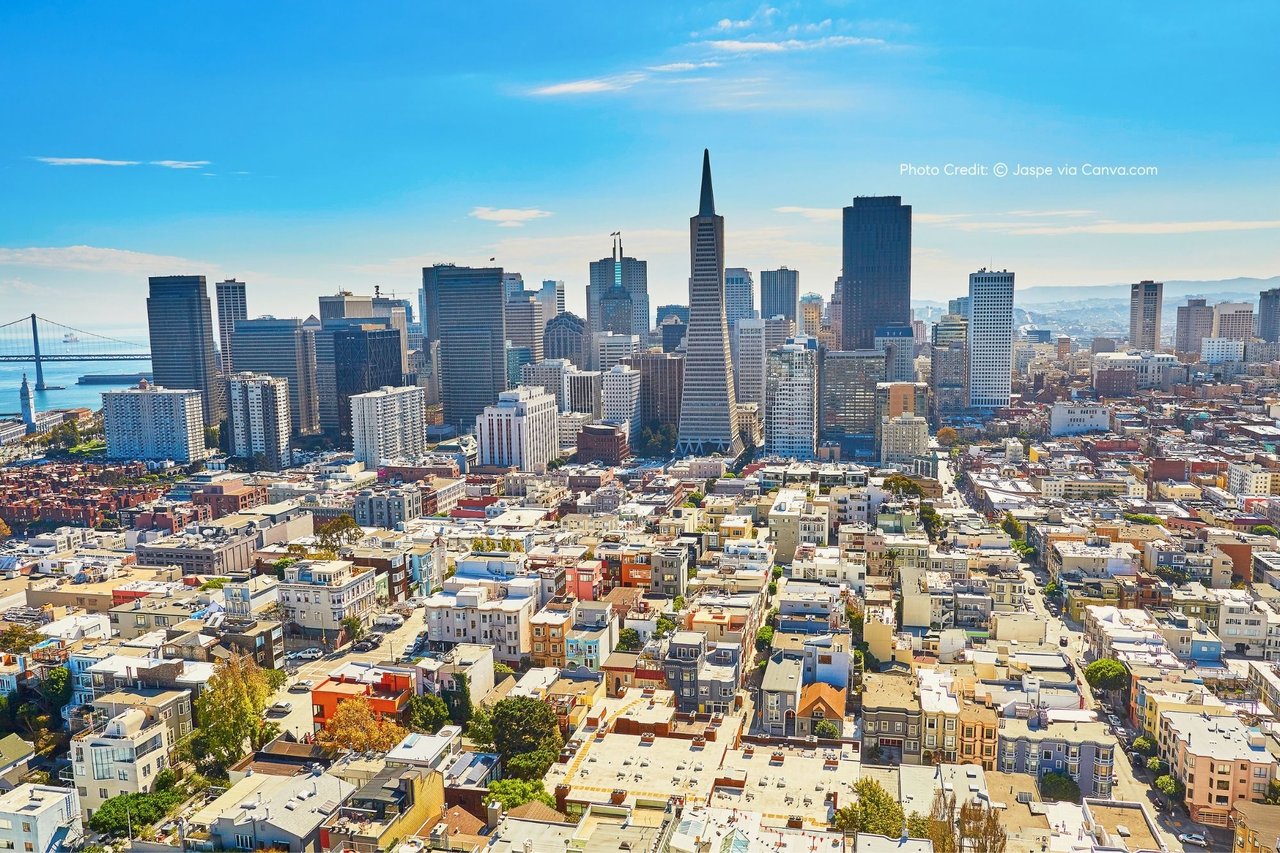
One of the most recognizable buildings in the world, the Transamerica Pyramid, has officially changed hands—marking a significant moment for San Francisco’s commercial real estate landscape. The property, along with its surrounding towers, was acquired for approximately $691 million, signaling both a transition in ownership and a fresh chapter for this iconic asset.
A Defining Transaction in San Francisco Real Estate
The sale represents only the second time in over five decades that the Transamerica Pyramid has been transferred, underscoring the rarity and importance of the transaction. For investors and market watchers alike, this move reflects a broader shift in how premier office properties are being repositioned in major urban centers.
The acquisition includes not just the 48-story pyramid itself, but also the surrounding Transamerica Pyramid Center—an integrated campus that blends architecture, public space, and office environments. The total value of the transaction ultimately reached approximately $725 million when accounting for final settlements and associated costs, highlighting the scale and complexity of the deal.
A Vision Already in Motion
Prior to the sale, the property underwent a substantial transformation aimed at redefining its role in a changing office market. Roughly $250 million was invested into upgrades and enhancements designed to modernize the building while preserving its historic significance.
These improvements elevated the entire experience of the property. The grand lobby was redesigned to create a more welcoming and contemporary entrance. A new top-floor bar and sky lounge introduced hospitality-driven elements that align with today’s demand for experiential workplaces. Additionally, the surrounding redwood park was expanded, offering a rare and valuable outdoor amenity in the heart of the city.
Together, these upgrades repositioned the Transamerica Pyramid as more than just an office tower—it became a destination.
Strength in Occupancy and Positioning
Despite broader challenges in the office sector, the property demonstrated strong leasing performance, with occupancy reaching approximately 85% toward the end of the year. This level of tenant retention reflects the enduring appeal of well-located, thoughtfully upgraded Class A properties.
In today’s evolving workplace environment, tenants are increasingly prioritizing quality over quantity—favoring buildings that offer premium amenities, flexible spaces, and a sense of identity. The Transamerica Pyramid’s recent enhancements align closely with these preferences, positioning it competitively within San Francisco’s leasing market.
A Strategic Acquisition with Long-Term Intent
The new ownership group brings a forward-looking strategy centered on growth and expansion within the United States. The Transamerica Pyramid is expected to serve as a cornerstone asset—an anchor that supports broader investment activity in key markets.
This type of acquisition signals confidence not only in the building itself but also in San Francisco’s long-term trajectory. While the city has faced challenges in recent years, particularly in its downtown office sector, landmark investments like this point to continued belief in its resilience and global significance.
Market Context: Opportunity in Transition
San Francisco’s commercial real estate market is currently undergoing a period of recalibration. Shifts in workplace dynamics, including hybrid models and changing tenant needs, have created both challenges and opportunities.
For investors, this environment has opened the door to acquiring high-quality assets at more attractive valuations compared to previous market peaks. Properties with strong fundamentals—prime location, iconic status, and recent capital improvements—are especially well positioned to benefit from long-term recovery.
The Transamerica Pyramid fits squarely within this category. Its combination of historic significance, modern upgrades, and central location makes it a standout asset in any market cycle.
What This Means for the Future
This transaction is more than just a change in ownership—it represents a broader narrative about the future of urban real estate. Iconic properties are being reimagined to meet new expectations, blending traditional office use with hospitality, lifestyle, and community-oriented features.
For San Francisco, the continued investment in landmark buildings reinforces its status as a global city with enduring appeal. As the market evolves, assets like the Transamerica Pyramid will likely play a key role in shaping the next generation of workplace environments.
A Renewed Chapter for an Icon
With new ownership in place and a strong foundation already established through recent renovations, the Transamerica Pyramid is poised for continued evolution. The focus now shifts toward building on this momentum—enhancing its position as one of the most desirable and recognizable addresses in the city.
For investors, tenants, and the broader community, this moment represents both continuity and change. The building remains a defining feature of the skyline, but its role within the market is being redefined in real time.
The Bottom Line
The sale of the Transamerica Pyramid highlights several key trends shaping today’s real estate landscape:
- Iconic assets continue to attract global capital
- Strategic renovations can significantly enhance long-term value
- High-quality properties remain resilient, even in shifting markets
- San Francisco remains a focal point for long-term investment
As this landmark enters its next phase, it stands as a powerful example of how legacy properties can adapt, evolve, and thrive in a rapidly changing world— while continuing to define the character and identity of a city.
Source: axios.com