Thousands of Homes, Vibrant Streets, and a Transit-Connected Future Await SoMa
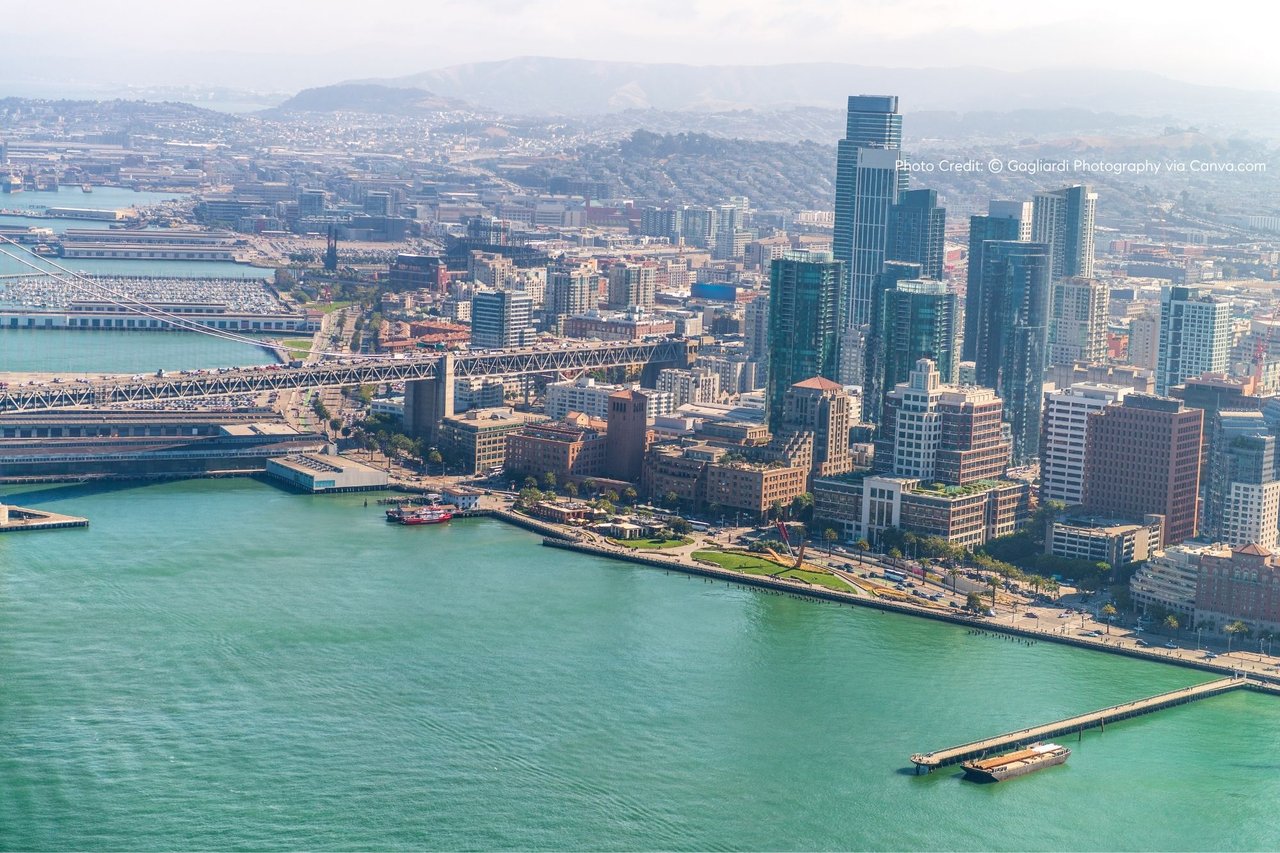
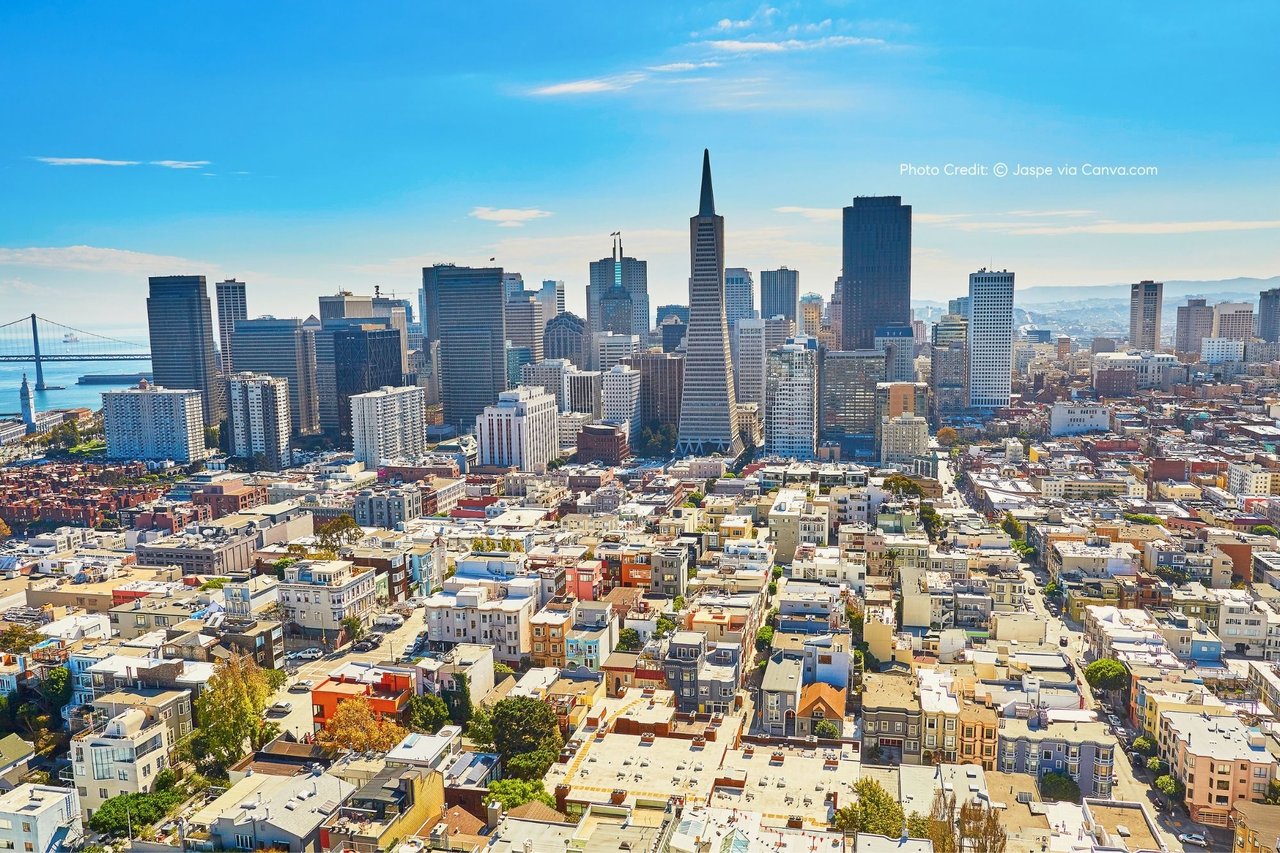
San Francisco’s iconic railyards, located at the crossroads of Mission Bay and South of Market (SoMa), are on the brink of a dramatic transformation. The property owner has submitted plans that reimagine the 20-acre site as a vibrant high-rise neighborhood designed for modern city living. The proposal outlines thousands of homes, millions of square feet of commercial space, and a redesigned Caltrain station integrated beneath an 850-foot tower that could become one of the city’s most recognizable new landmarks.
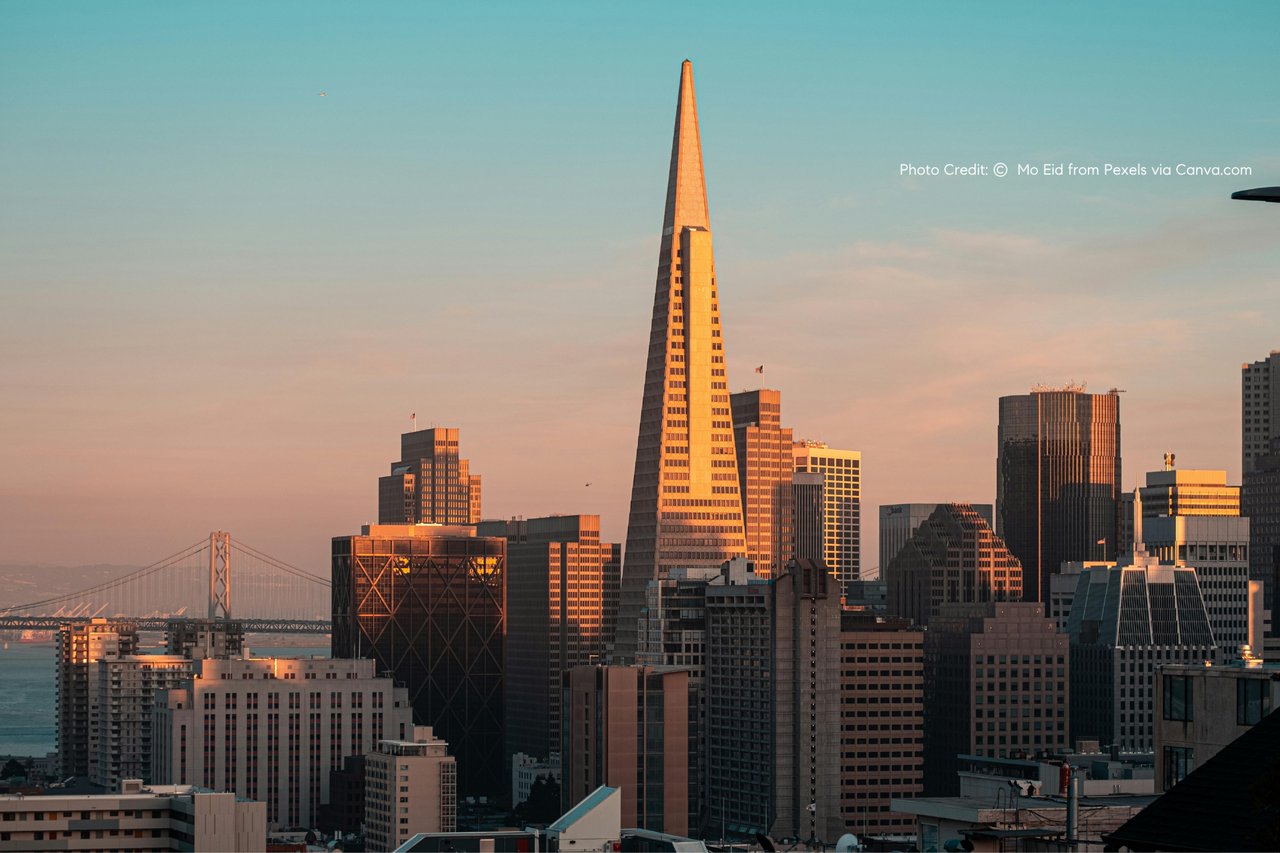
The project envisions a mixed-use community spanning up to eight million square feet. Approximately 2,500 residential units are planned alongside roughly four million square feet of commercial space. Two prominent towers are expected to anchor the neighborhood — one near Fourth and King Streets and another at Seventh and King Streets — helping shape a new skyline gateway between Mission Bay and SoMa.
A Phased Development Designed for Long-Term Growth
The redevelopment is expected to unfold gradually over the next 15 to 20 years, allowing the project to respond to changing market conditions and urban needs. The initial phase alone could deliver roughly 2.5 million square feet of development and include both major towers.
Early plans suggest a mix of housing and office space, while the final balance of uses may evolve based on economic conditions, demand for office space, and investor interest. Hospitality uses such as a hotel could also become part of the development.
Funding is expected to combine private investment with public support, reflecting the scale and civic importance of transforming one of the most strategically located sites in the city.
A Transit-Focused Urban Neighborhood
A central feature of the redevelopment is the creation of a modernized Caltrain station that anchors the neighborhood and strengthens regional connectivity. Transit-oriented development has become an increasingly important strategy for cities aiming to improve mobility while encouraging sustainable growth.
By placing homes, offices, and amenities directly next to a major transportation hub, the project supports a lifestyle that prioritizes walkability and public transit. Residents and workers will be able to move easily between neighborhoods and across the Bay Area.
The development is also designed to integrate with the long-term vision of extending rail service further into downtown San Francisco. While that larger transit project remains in earlier planning stages, the railyards redevelopment can move forward independently and still deliver meaningful improvements to the city’s transportation network.
Creating a New Community Space
One of the most exciting aspects of the proposal is the transformation of a largely industrial rail yard into an active and welcoming urban neighborhood.
Plans include a new public plaza located in front of the redesigned train station. This space is expected to include restaurants, retail shops, and gathering areas designed for everyday community life. Families could enjoy open areas and a children’s play space, while residents and visitors alike will benefit from new pedestrian-friendly streets and improved public infrastructure.
These public elements are key to turning the site into a true neighborhood rather than simply a collection of buildings.
Bridging Mission Bay and SoMa
For decades, the Caltrain railyards have acted as both a physical and visual divide between Mission Bay and the Fourth and King corridor. Redevelopment of the site offers a rare opportunity to connect these districts more seamlessly.
Mission Bay has evolved into one of the Bay Area’s most innovative districts, historically driven by life sciences and biotechnology. In recent years, the area has also become a growing hub for artificial intelligence companies and emerging technology startups.
As demand for modern office and research space continues to evolve, mixed-use projects that combine housing, workspaces, and retail are becoming increasingly valuable. The railyards redevelopment could help capture this momentum by offering flexible space that meets the needs of growing companies while also bringing new housing opportunities to the neighborhood.
A Catalyst for San Francisco’s Continued Recovery
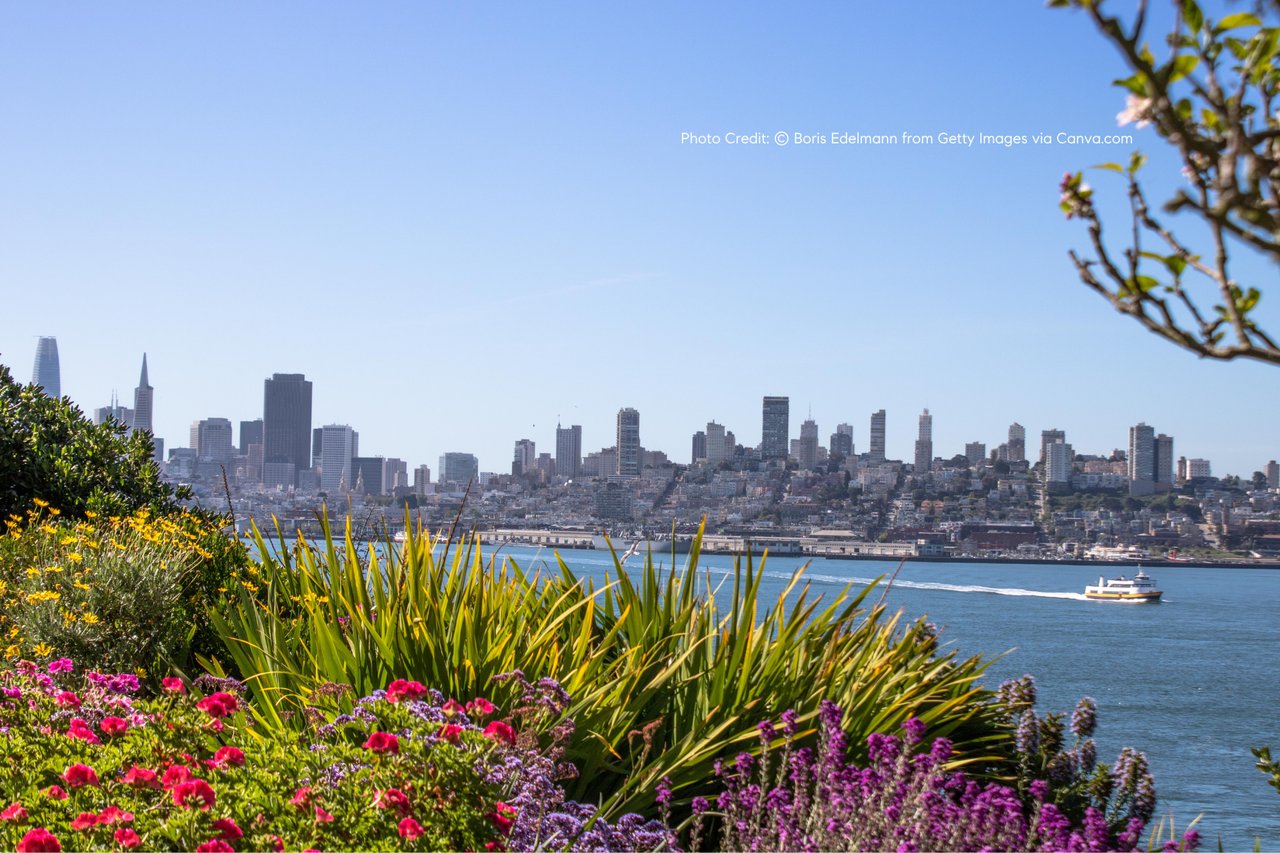
San Francisco’s eastern waterfront has seen remarkable transformation over the past decade. Developments in neighborhoods such as Mission Rock and Dogpatch have introduced new parks, residences, and commercial spaces that contribute to the city’s broader economic recovery.
The railyards project builds on this momentum by expanding revitalization into SoMa and strengthening the connection between the city’s innovation districts and downtown core.
Large-scale projects like this often act as catalysts for surrounding investment, encouraging improvements in infrastructure, new businesses, and additional housing development nearby.
Expanding Housing Opportunities
Housing remains one of the most critical priorities for San Francisco. With thousands of residential units proposed, the redevelopment represents a significant opportunity to expand the city’s housing supply in a highly accessible location.
Transit-oriented housing offers multiple benefits, from reducing reliance on cars to supporting vibrant local businesses. Residents will have direct access to transit, employment centers, parks, and waterfront amenities — creating a balanced urban lifestyle that is increasingly sought after in major cities.
Shaping a New Chapter for the City
The transformation of the railyards reflects a broader shift toward sustainable, connected urban development. By combining housing, workplaces, public spaces, and transit infrastructure, the project offers a vision for how San Francisco can grow thoughtfully while maintaining its global reputation as a center of innovation.
With careful planning, the development has the potential to reshape not only the skyline but also the everyday experience of living and working in this part of the city.
Explore Opportunities with Marks Realty Group
Major developments like this often signal the next chapter of growth for surrounding neighborhoods. As new housing, transit improvements, and business activity reshape the area, understanding the evolving real estate landscape becomes increasingly important for buyers, sellers, and investors.
If you would like insights into emerging opportunities in San Francisco, Mission Bay, or the greater Bay Area real estate market, the team at Marks Realty Group is here to help.
Whether you are exploring the possibility of buying, selling, or investing, our team closely tracks market trends, upcoming developments, and neighborhood transformations across the region.
Reach out to Marks Realty Group today to learn more about how these exciting changes could shape the future of Bay Area real estate — and how you can be part of it.
source: sfchronicle.com