San Francisco's housing market has staged one of the most dramatic comebacks in recent Bay Area history — and the force behind it is unlike anything the city has seen before. Here is what is actually happening, why it matters, and what it means for anyone thinking about buying or selling in the region right now.
AT A GLANCE
— San Francisco home prices are up 15% year over year within city limits, per Business Insider — the fastest growth of any major American city
— The AI industry is generating extraordinary wealth and funneling it directly into the housing market
— Available single-family homes in San Francisco have dropped to roughly 250 citywide — historically low, per Business Insider
— The luxury end of the market is intensely competitive; entry-level demand remains more subdued
— Marin County and the broader Bay Area are feeling the ripple effects of this SF-driven surge
What Is Actually Happening in San Francisco's Housing Market Right Now?
Not long ago, the headlines about San Francisco real estate were grim. Population was declining. Office buildings sat empty. Home values dropped sharply from their 2022 peaks — in some cases by well over 15%. There was genuine uncertainty about whether the city's housing market would recover at all, and when.
That story is over.
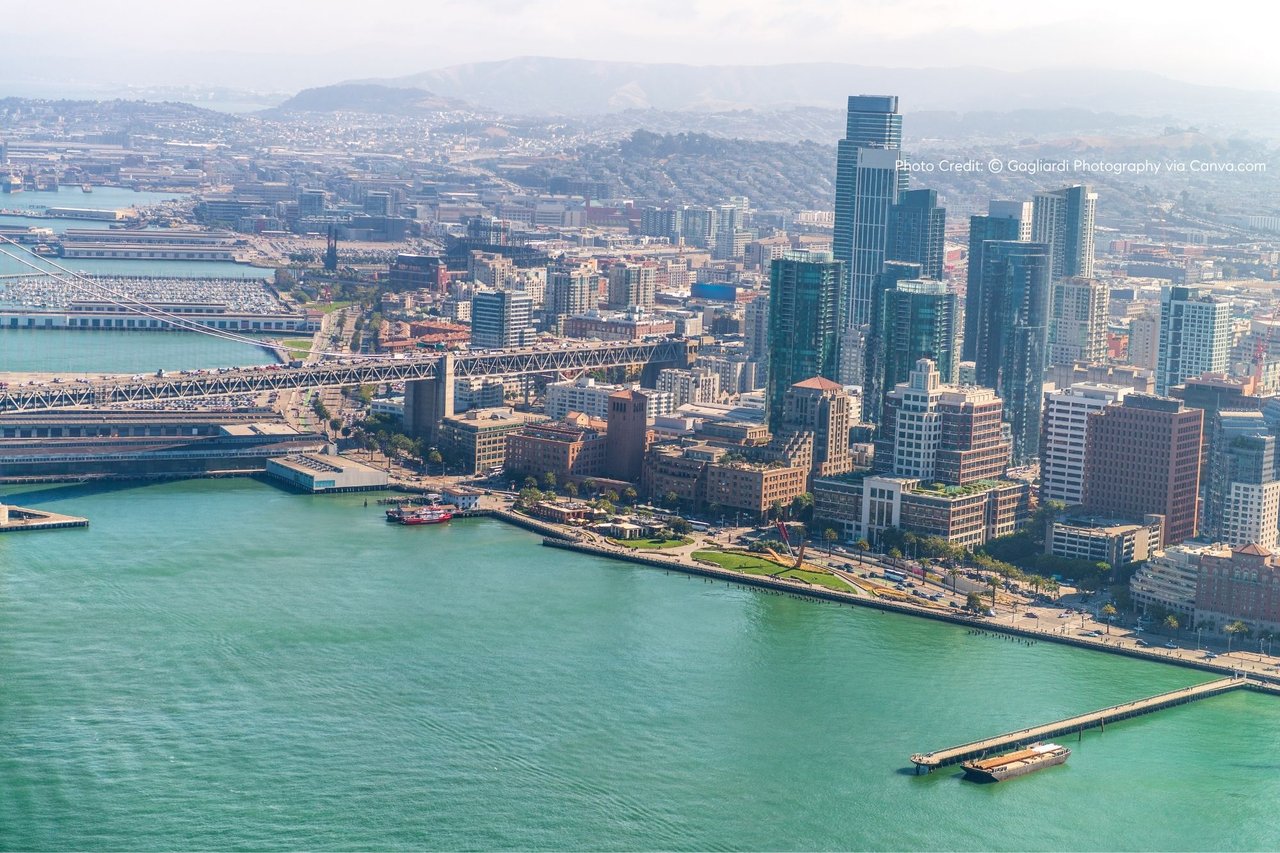
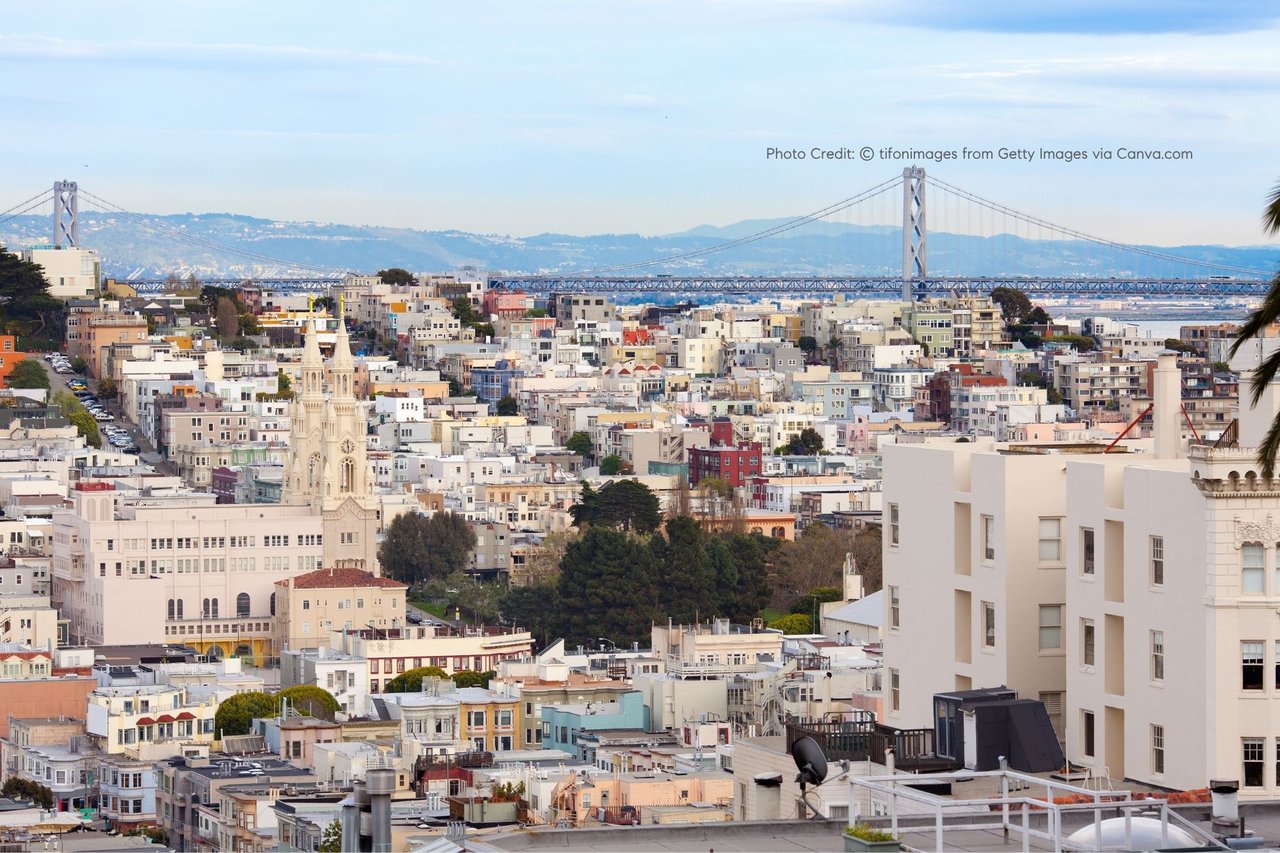
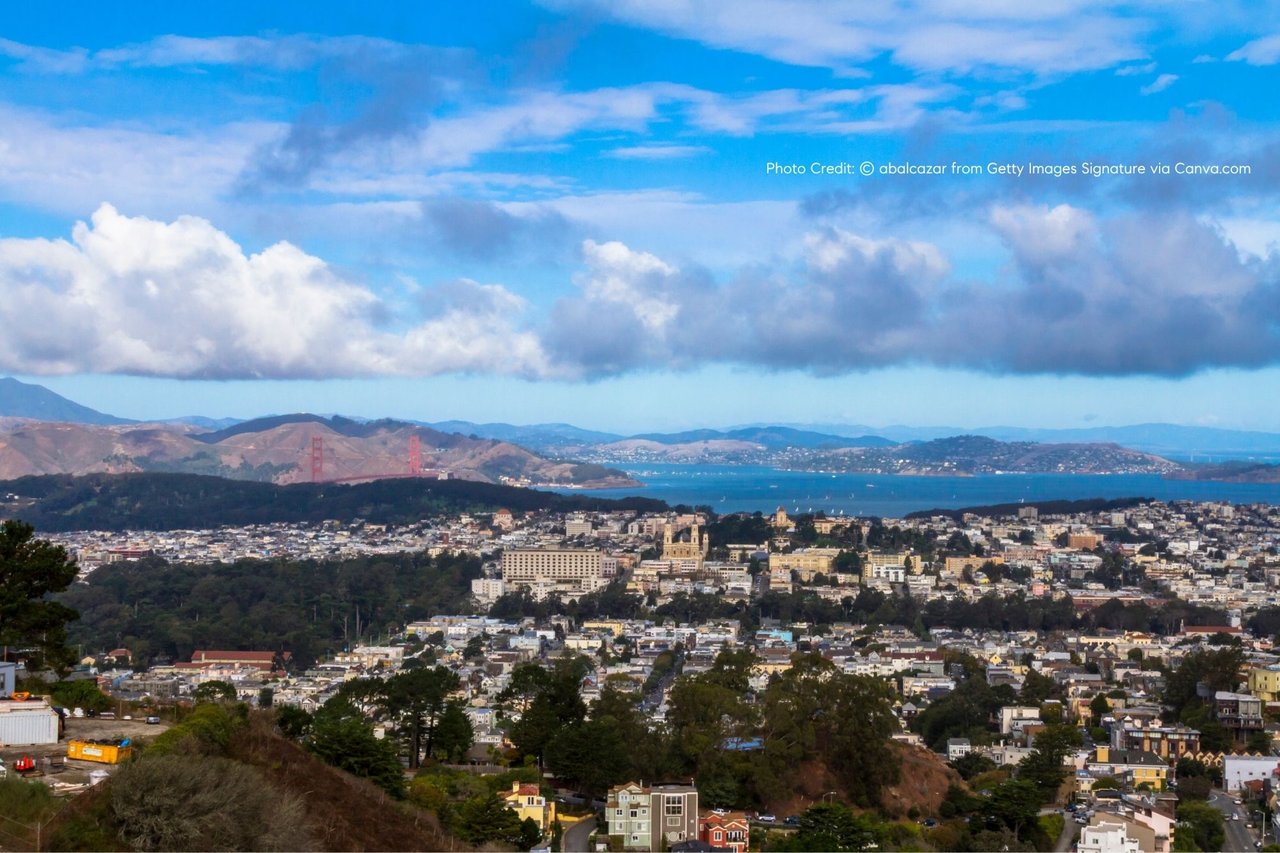
According to Business Insider, San Francisco is now the fastest-appreciating major housing market in the United States. Home values within the city limits are up roughly 15% compared to a year ago — a figure no other major American city comes close to matching. The San Francisco metro area as a whole is seeing price growth of around 11% year over year. If you own a home in Marin County or are actively searching there, that is not a distant story — it is the direct upstream force reshaping your market right now.
And unlike previous Bay Area booms, which tended to lift the entire market relatively evenly, this one has a very specific engine: the AI industry.
How Is the AI Industry Reshaping Bay Area Real Estate?
The concentration of artificial intelligence talent and capital in San Francisco is unlike anything the Bay Area has experienced since the early days of the internet — and some would argue it surpasses even that. Companies that barely existed five years ago are now valued in the hundreds of billions of dollars. The compensation packages being offered to attract and retain top talent — salaries, equity, bonuses — are creating wealth at a speed and scale that the housing market is simply not equipped to absorb.
The result is a buyer pool that operates by a completely different set of rules. For a growing number of people entering San Francisco's market, the difference between an offer that wins and one that falls short is not a matter of mortgage qualification or down payment strategy. It is a matter of how badly they want the home — and whether they are willing to go further than the next person to get it.
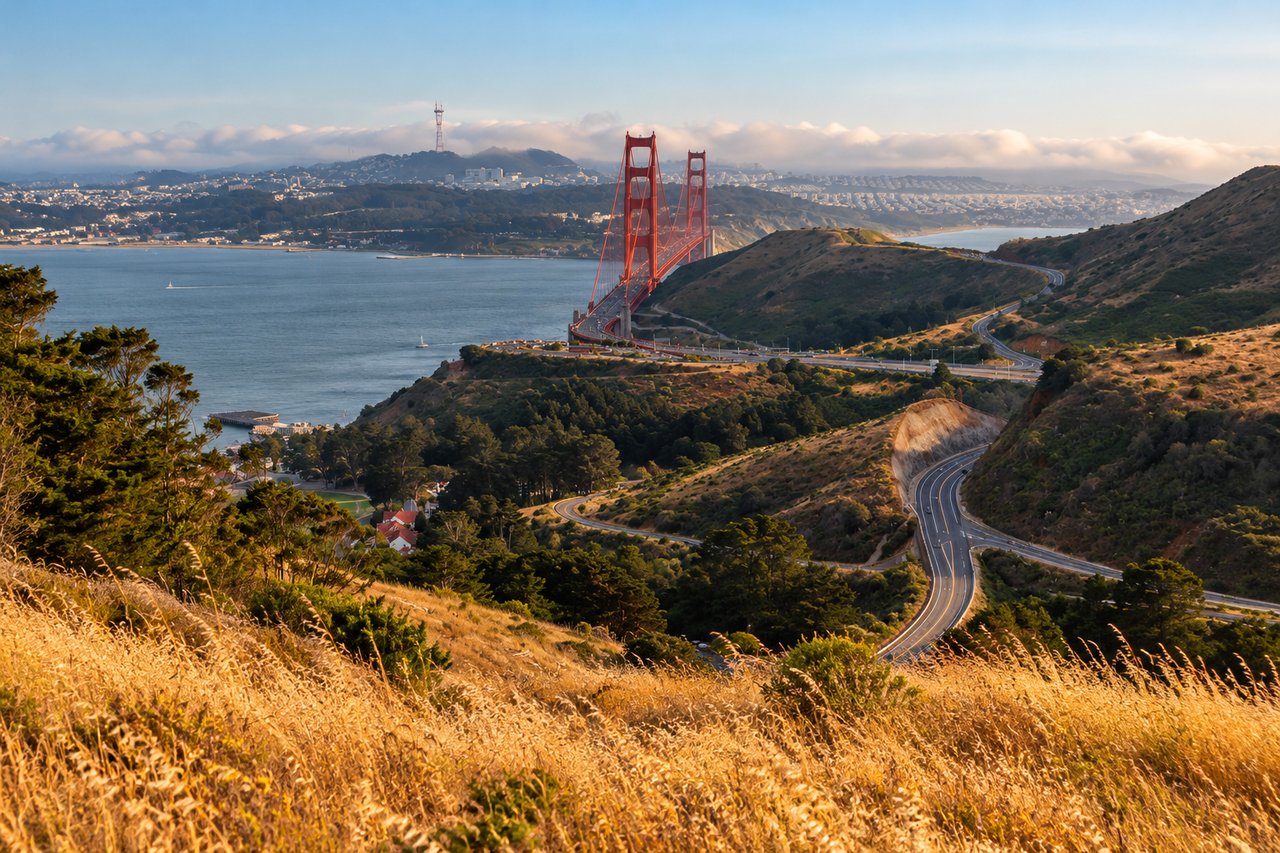
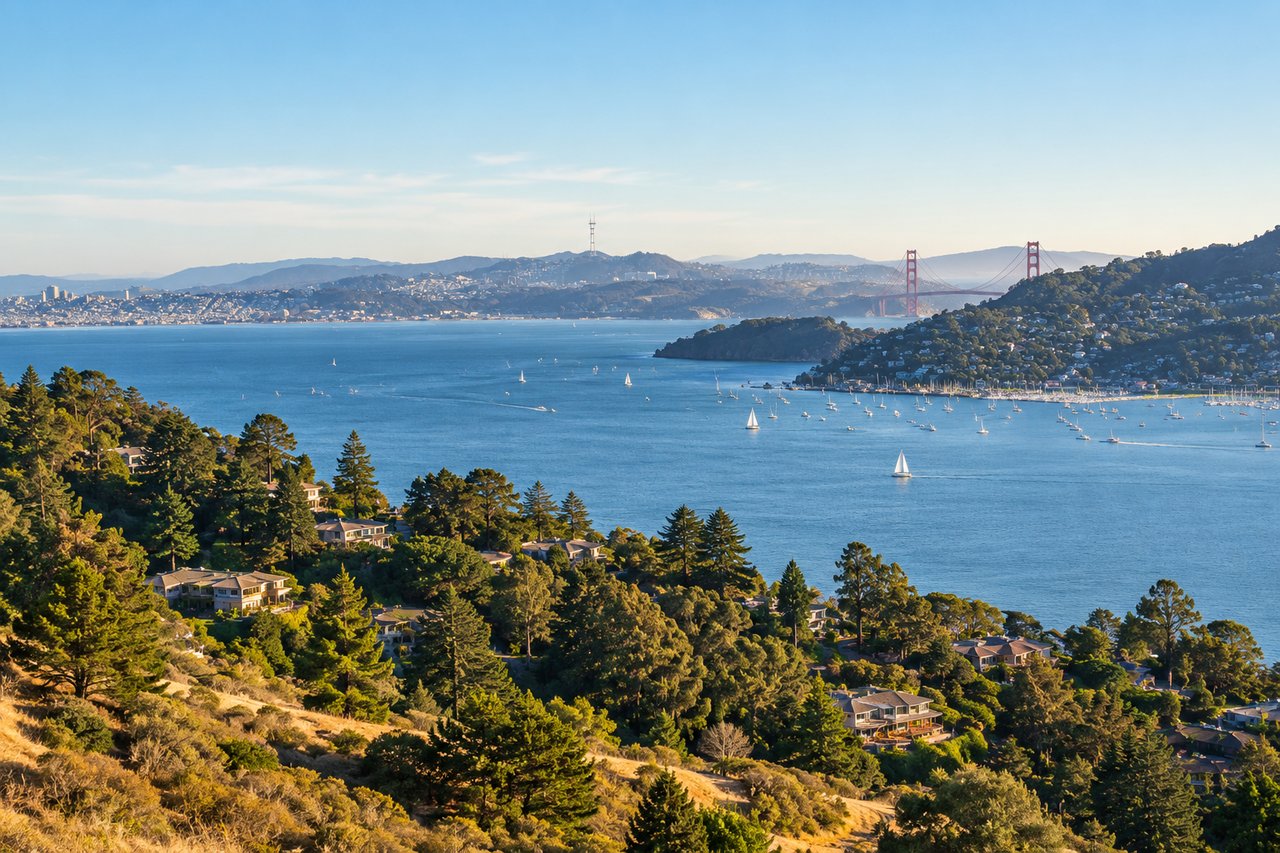
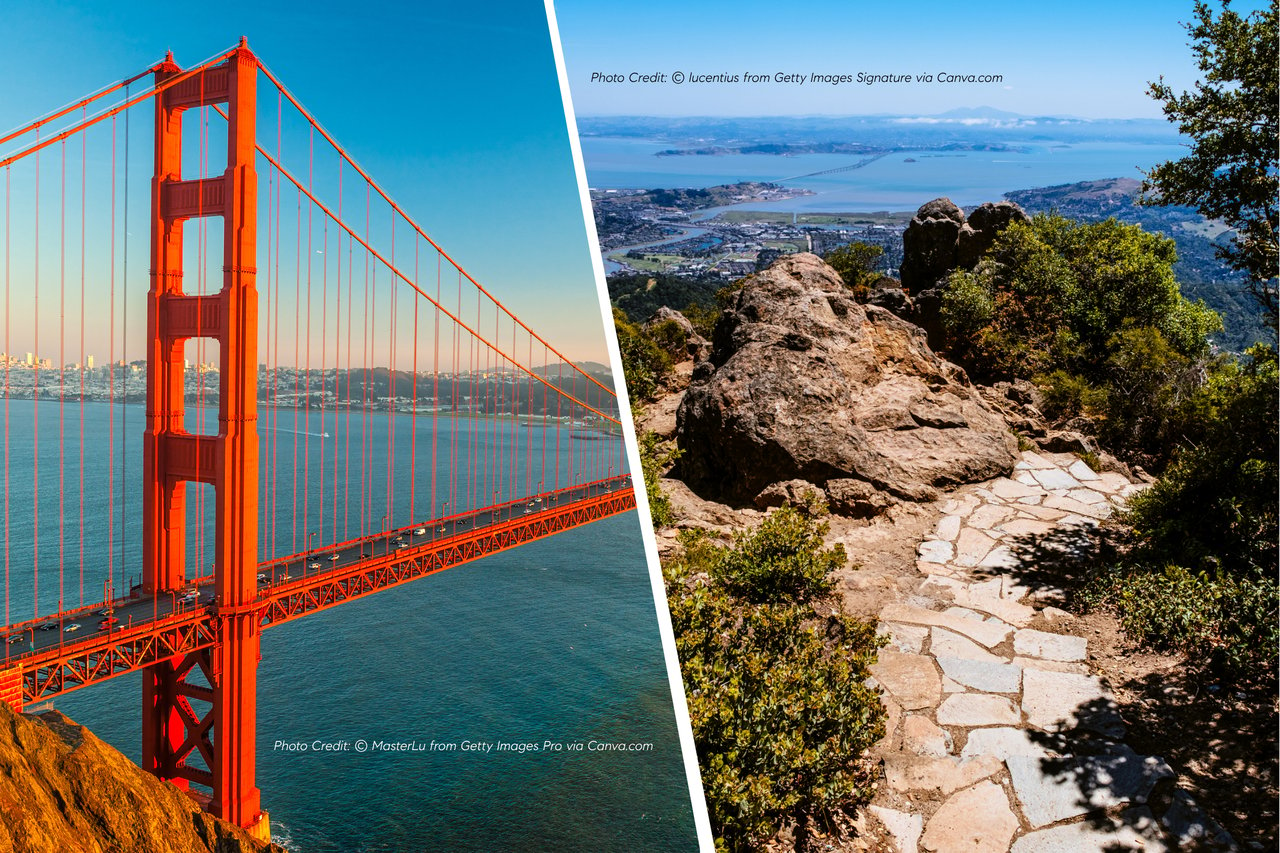
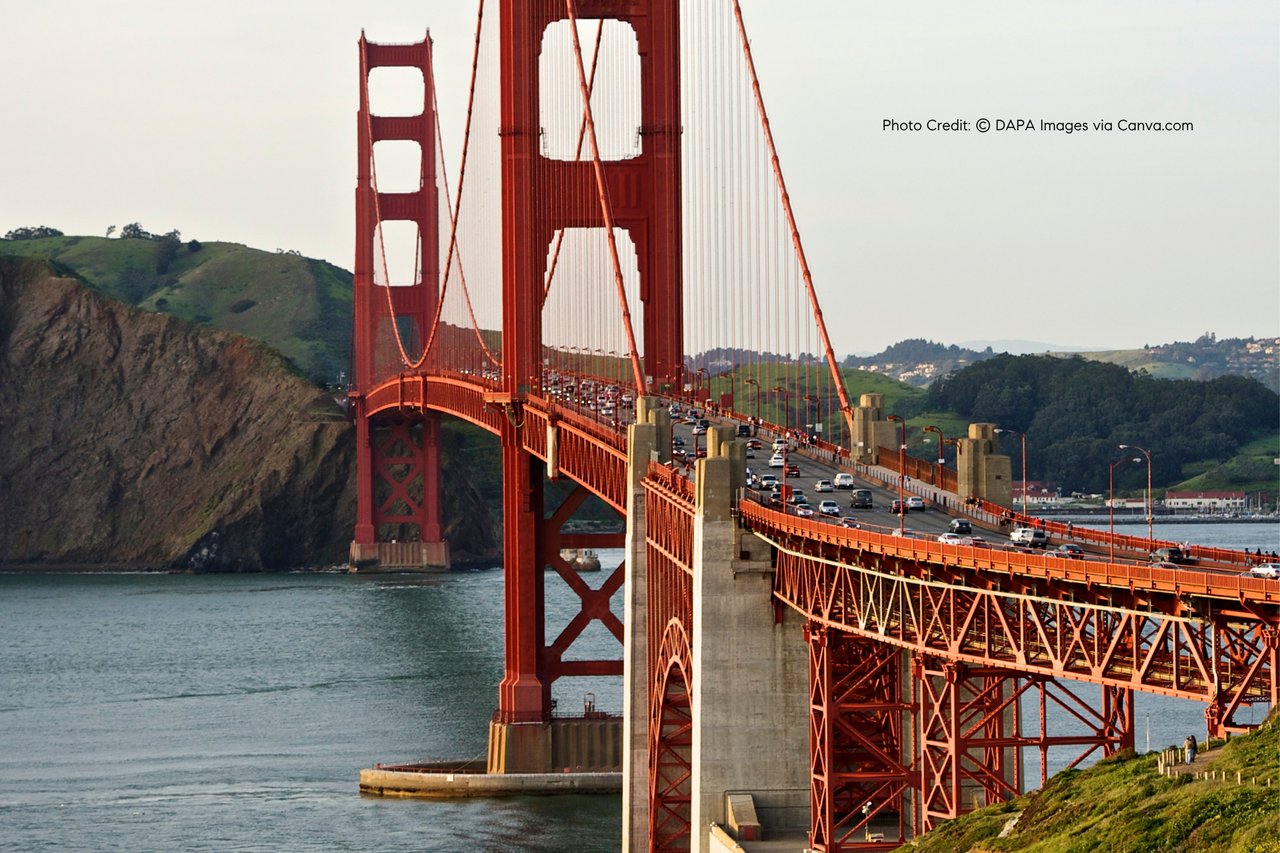
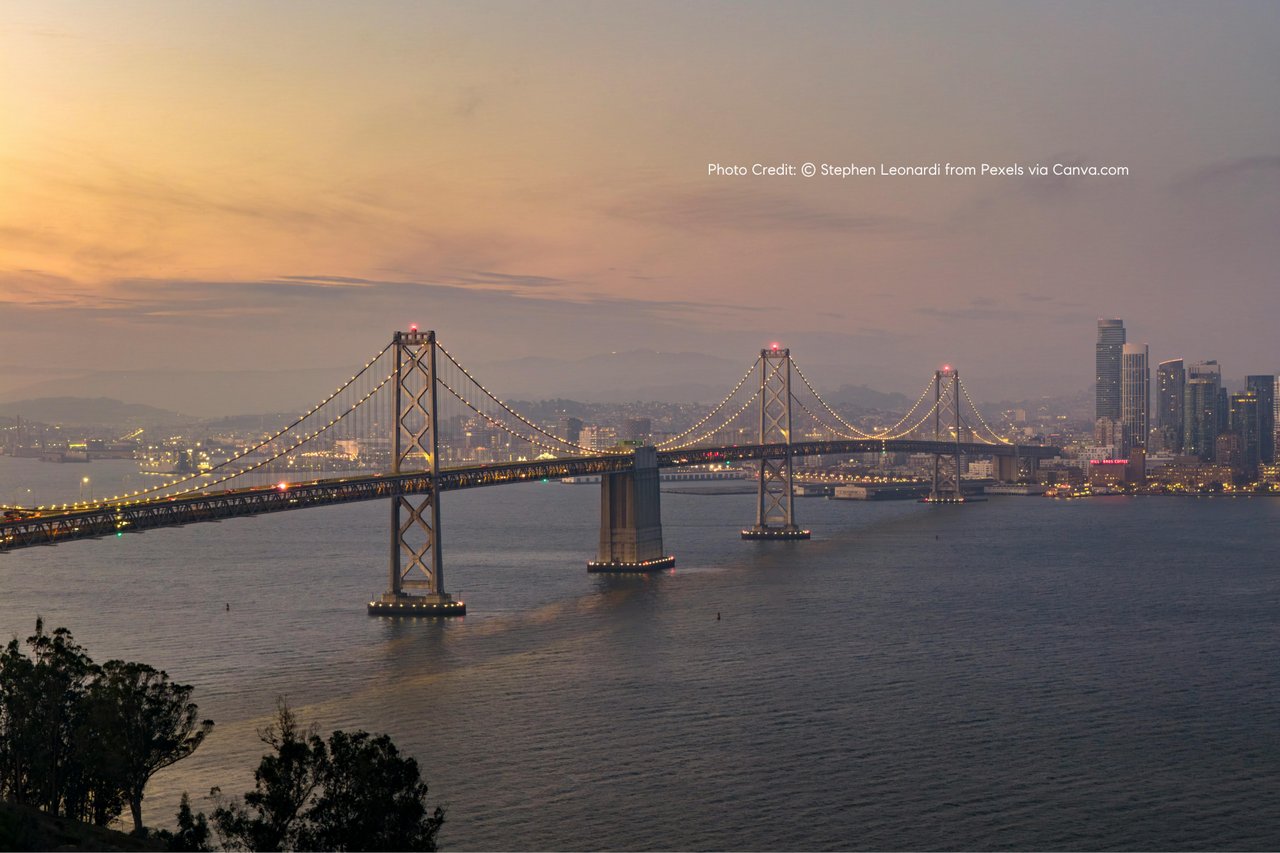
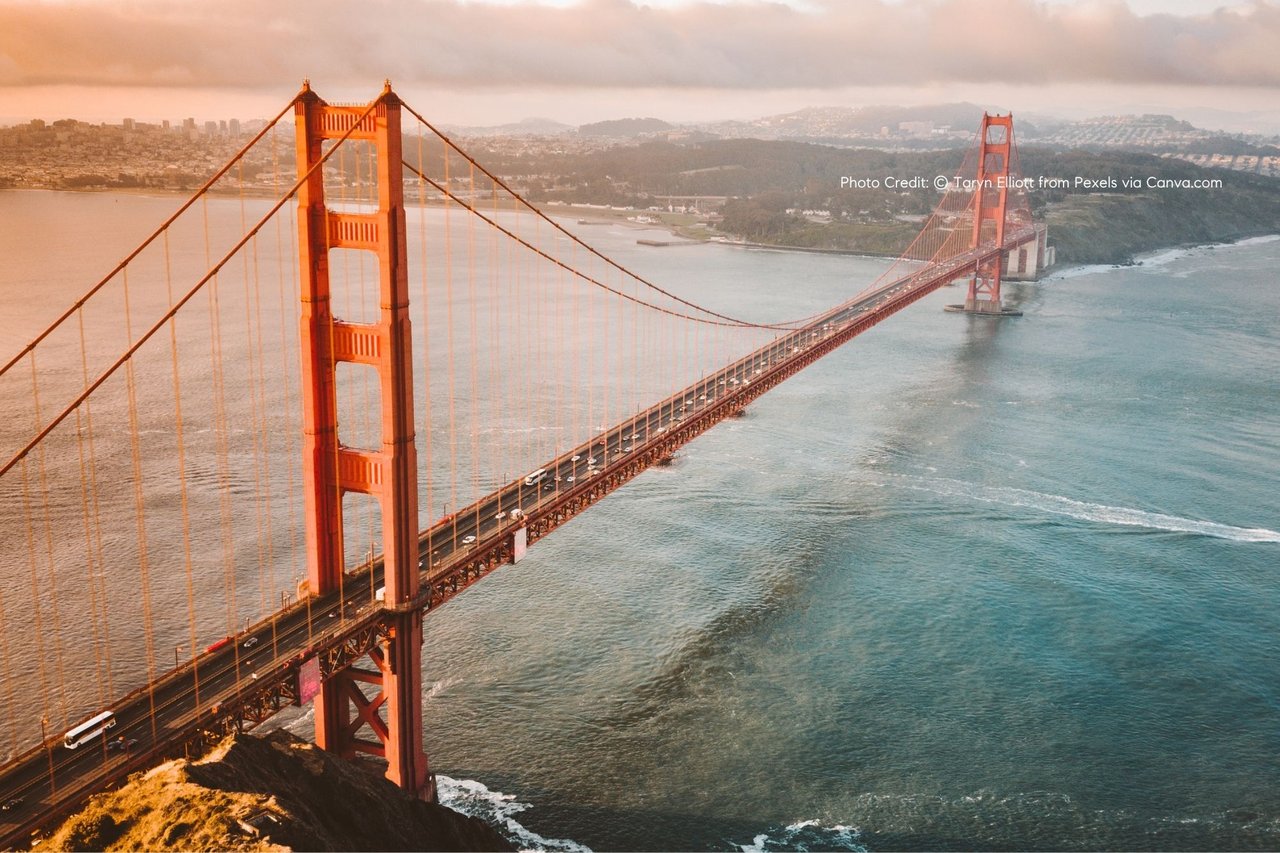
We are watching this play out in real time with clients across Marin County and San Francisco. The families and professionals we work with who are still searching in the city are navigating a market that moves faster and demands more than anything we have seen in recent years. And the buyers who have already made the decision to cross the Golden Gate Bridge to Marin are often doing so specifically because they have decided they cannot — or will not — compete in that environment.
What Does the Inventory Situation Actually Look Like?
Here is the number that puts everything else in context. According to Business Insider, there are currently only around 250 single-family homes available for sale in the entire city of San Francisco — down from roughly 400 in the relatively quiet market of early 2023. Today, in a city of nearly 900,000 people that is once again drawing residents from across the country, 250 homes is an almost impossibly small supply.
San Francisco has struggled for decades to build meaningful new housing. Zoning restrictions, permitting complexity, and community opposition to new development have made it genuinely difficult to add inventory at any scale. That structural shortage was manageable when demand was weak. It becomes something else entirely when a wave of newly wealthy buyers all want the same kinds of homes at the same time.
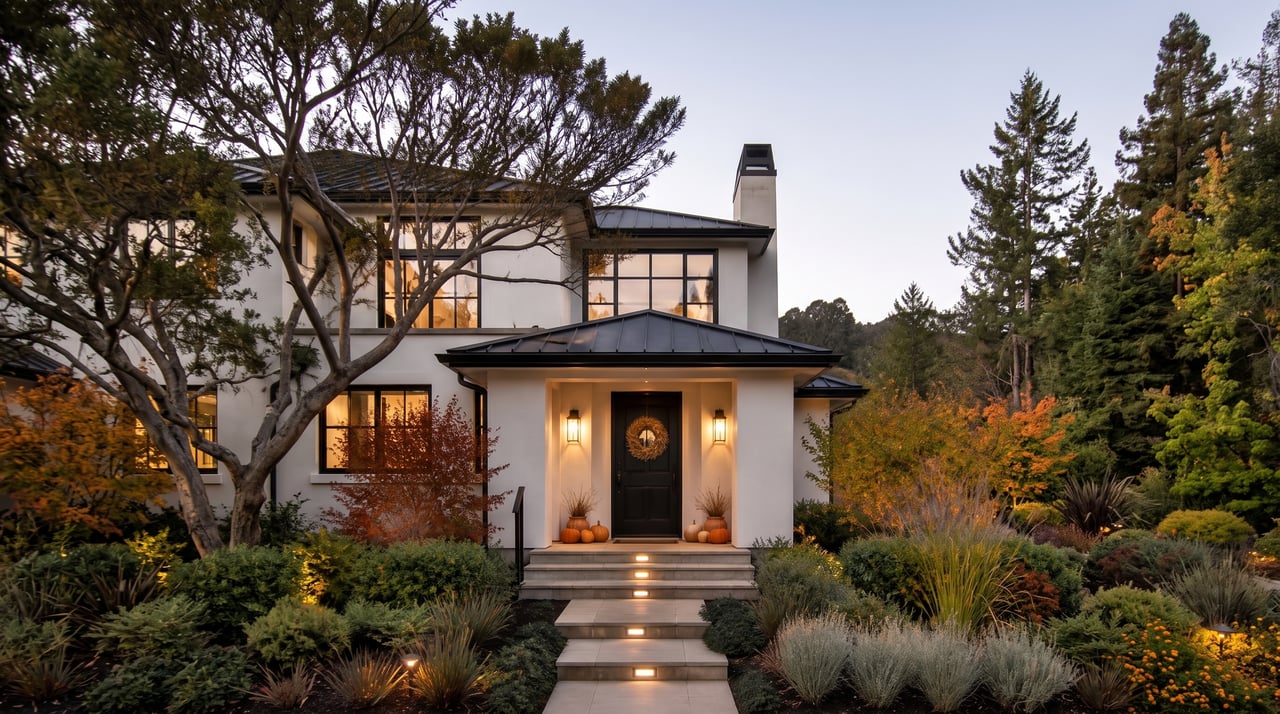
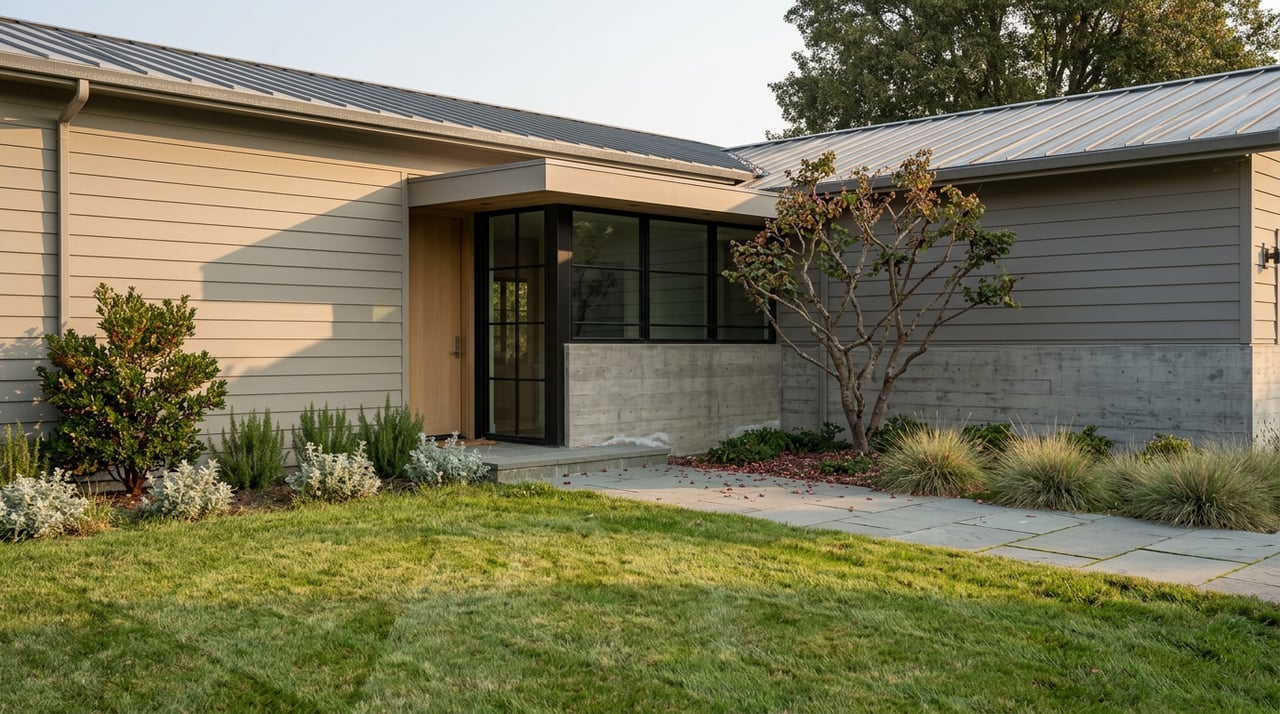
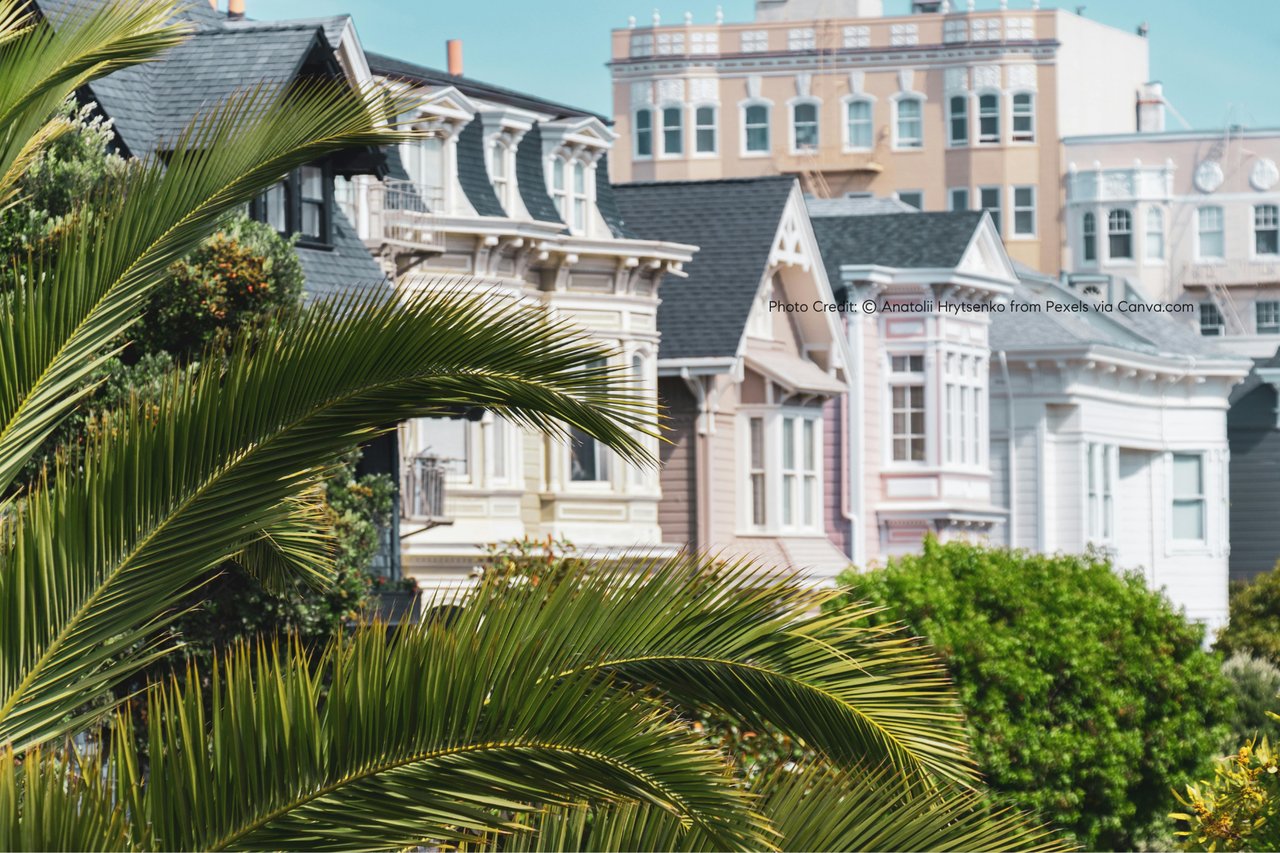
The homes drawing the most intense competition are consistent in profile: move-in ready, standalone or semi-standalone, family-sized, with commute access to the AI campuses concentrated in SoMa and Mission Bay. When a home like that hits the market in a neighborhood like Noe Valley, the Outer Sunset, or Pacific Heights, the response is immediate and often overwhelming.
Is This a Market for Everyone, or Just the Ultra-Wealthy?
This is one of the most important questions anyone thinking about San Francisco real estate should ask — and the honest answer is that it depends enormously on where in the market you are looking.
At the upper end, the market is extraordinarily active. According to Business Insider, homes in San Francisco's most sought-after ZIP codes — those where the typical sale price exceeds three million dollars — have seen values climb by double digits since 2022. Buyers at this level are frequently competing on terms that go far beyond price alone, including waived contingencies, flexible closing timelines, and in some cases equity in AI companies being offered alongside or in place of traditional cash payment.
The picture is genuinely different below that level. In more affordable price ranges, demand is softer and price growth is minimal or even slightly negative. These buyers face the same headwinds affecting would-be homeowners across the country: elevated borrowing costs, stretched household budgets, and an affordability ceiling that has not moved meaningfully despite years of waiting.
This divergence — a surging top end and a stagnant bottom — reflects something broader happening across the American economy. The AI boom is creating remarkable wealth for a relatively small number of people while leaving most households in roughly the same position they were in before. In no city is that dynamic more visible than San Francisco.
What Does This Mean for Buyers Considering San Francisco or Marin Right Now?
If you are a buyer with the financial profile to compete in San Francisco's upper market, the most important thing to understand is that waiting almost certainly works against you. Prices are rising quickly, inventory is not growing, and a wave of anticipated technology IPOs is likely to add even more well-capitalized buyers to an already crowded field in the coming months.
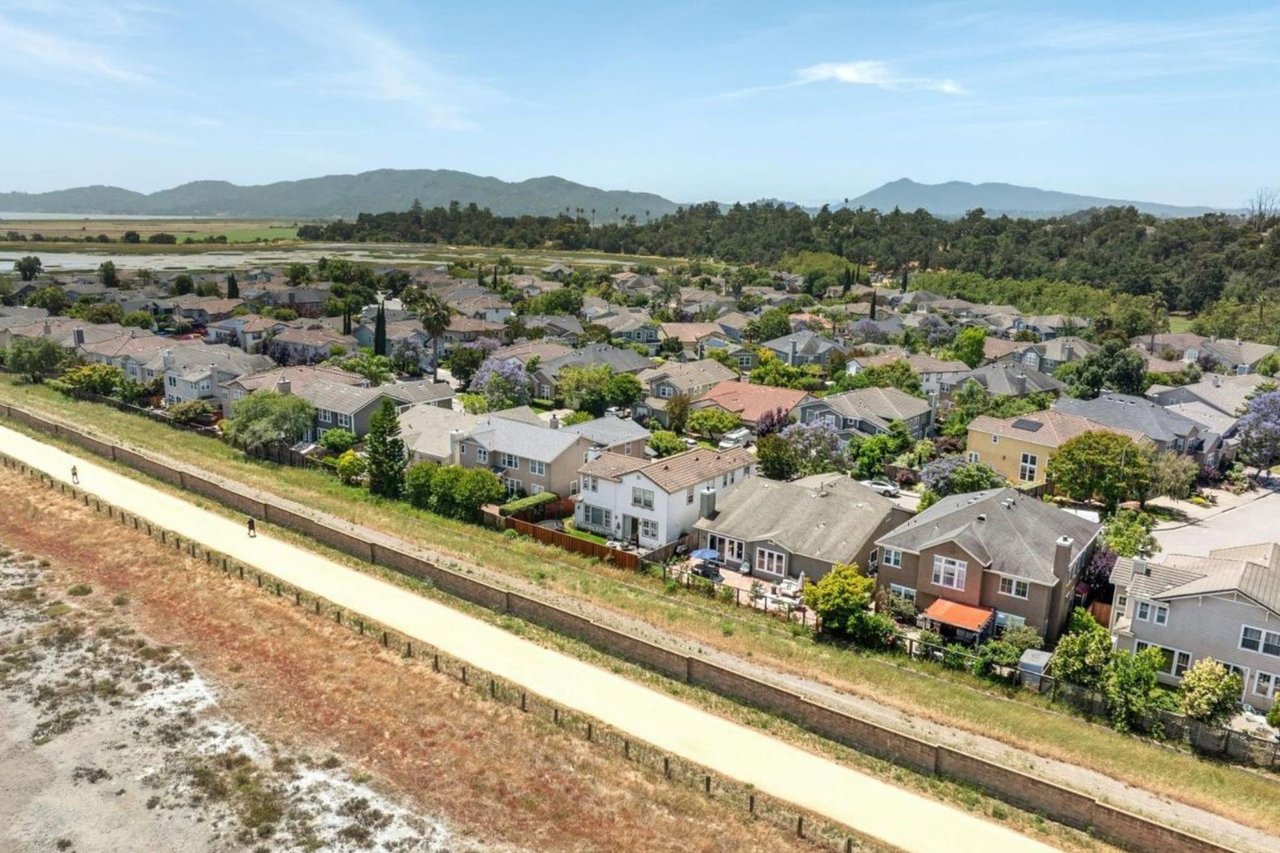
If you are a buyer for whom San Francisco's current pricing is simply out of reach, Marin County continues to offer a genuinely compelling alternative. The cost per square foot is meaningfully lower than in the city, the lifestyle differences are significant, and the commute options — via Highway 101 and the Sausalito Ferry — remain practical. The competition in Marin has intensified as SF buyers have crossed the bridge, but it is still a market where preparation, local knowledge, and the right strategy make a real difference in outcome.
The best starting point — whether you are looking in the city or across the bridge — is understanding which specific neighborhoods and price ranges actually match your life, not just your budget. That clarity is what separates buyers who close from buyers who keep searching.
What Does This Mean for Sellers in the Bay Area Right Now?
If you own property in San Francisco or Marin County, the current environment is one of the more favorable selling conditions in recent memory. Buyer demand — particularly at the mid-to-upper end of the market — is strong, motivated, and in many cases coming with resources that were not present in the market even a year ago.
The sellers achieving the strongest outcomes right now are the ones who approach the process strategically. Pricing to generate competition rather than pricing to reflect the last comparable sale. Preparing the home to meet the expectations of buyers who have already lost multiple bids and are not interested in taking on a project. And working with a team that understands the current psychology of the buyer pool — what they are prioritizing, what will stop them in their tracks, and what will make them act decisively.
We recently helped a client navigate the off-market versus MLS decision on a Mill Valley home — one of the more nuanced calls a Marin seller can face. The process was careful, data-driven, and unhurried. Our buyer network moved quickly once the decision was made, and the close was smooth and fast. Sellers who arrive at that moment well-prepared — with a clear strategy, a realistic read on the market, and the right team behind them — rarely leave anything on the table.
How Long Will This Last?
No one can answer that question with certainty, and anyone who tells you otherwise is guessing. What we can say is that the structural conditions driving the current market — thin inventory, concentrated AI wealth, a return-to-office pull toward the Bay Area, and a pipeline of anticipated IPOs — are not temporary in the way that pandemic-era demand was temporary.
The dot-com boom eventually ended. But the companies and fortunes being built in today's AI economy feel more durable, more concentrated, and more directly tied to San Francisco's identity as the center of the technology world.
The more useful question is not how long the market will stay hot. It is what the right move is for your specific situation — right now, given what the market is actually doing. The buyers and sellers we work with who make clear-eyed decisions based on current conditions, rather than waiting for a perfect moment that rarely arrives, are the ones who look back on their timing with satisfaction.
Frequently Asked Questions
Why are San Francisco home prices rising so fast in 2026? The primary driver is the AI industry boom, which has concentrated an extraordinary amount of new wealth in the Bay Area. A wave of highly compensated AI professionals — along with anticipated IPO windfalls from major AI companies — is pushing demand in a city with almost no new housing supply. According to Business Insider, San Francisco home prices within city limits are up roughly 15% year over year — the highest rate of any major American city.
Is San Francisco's real estate market accessible for regular buyers? At the entry level, the market is less intense — price growth in more affordable segments has been minimal or slightly negative, per Business Insider. The heat is concentrated at the mid-to-upper end, where AI wealth is most active. That said, inventory is tight across all price points, and the overall direction of the market is upward.
Is now a good time to sell in San Francisco or Marin County? For well-positioned properties in desirable areas, current conditions are genuinely favorable. Buyer demand at the upper end of the market is strong and motivated, and turnkey homes in competitive locations are generating multiple offers. Sellers who prepare carefully and price strategically are achieving standout results.
How does San Francisco's boom affect Marin County real estate? Directly and measurably. Buyers who cannot or will not compete in San Francisco's most heated neighborhoods are crossing the Golden Gate Bridge to Marin in growing numbers. This has tightened Marin's inventory and increased competition in desirable towns like Mill Valley, Corte Madera, Tiburon, and Kentfield. It is a favorable environment for Marin sellers and a navigable one for well-prepared buyers.
Will San Francisco real estate keep rising? The structural conditions driving the current market — thin inventory, AI wealth creation, a return-to-office pull, and an anticipated IPO wave — suggest the underlying demand is not going away soon. Predicting exact price trajectories is not possible, but waiting for conditions to improve is a strategy that has not served Bay Area buyers well historically.
Thinking about your next move in the Bay Area?
Whether you are trying to make sense of San Francisco's market, exploring what Marin County looks like for your family, or wondering what your home is worth right now — we would love to talk it through with you.
At Marks Realty Group, we are not just familiar with the Bay Area market. We live here, we work here, and we are in it every single day. That is the difference between advice that sounds right and advice that actually is right.
Reach out at marksrealtygroup.com or find us on Instagram @marksrealtygroup.
Source: businessinsider.com