Wondering whether your next home should keep you in the heart of San Francisco or give you a new rhythm across the bridge in Marin? It is a common question, especially if you want to balance commute, privacy, outdoor access, and day-to-day upkeep without making assumptions based on a listing label alone. The good news is that the choice becomes much clearer when you compare how each option actually lives. Let’s dive in.
Start With the Ownership Basics
If you are comparing a San Francisco condo with a Marin townhome, the first thing to know is that these two words do not mean the same kind of thing in California. A condo is a legal form of ownership, while a townhome describes architectural style.
That matters because a townhome can legally be structured as a condominium, a planned development, or another common-interest form. In other words, two homes may look similar in photos but come with very different rules about maintenance, insurance, shared spaces, and owner responsibilities.
In California common-interest developments, HOA membership is automatic when you buy into the project. The HOA, along with the CC&Rs and bylaws, helps define what the association handles and what stays with you as the owner.
Compare Lifestyle, Not Just Labels
The most helpful way to think about this decision is to compare lived experience. Instead of asking, “Is a condo better than a townhome?” ask which setting fits how you want to live next.
San Francisco and Marin begin from very different countywide conditions. San Francisco County has a population density of 18,629.1 people per square mile, while Marin County is at 504.1 people per square mile. San Francisco County also has a lower owner-occupied housing rate at 38.2%, compared with 64.7% in Marin County.
Those numbers do not tell you everything about a specific property, but they do help explain why San Francisco often feels more urban and building-centered, while Marin often feels more residential and ground-oriented. If your next move is tied to pace, space, and how you spend your free time, that difference can be meaningful.
What San Francisco Condo Living Often Feels Like
A San Francisco condo often puts you closer to the city’s dense, vertical, and shared environment. Depending on the building, that may mean elevators, shared lobbies, common hallways, garage access, and amenities that are part of daily life.
For many buyers, that setup works well because it can support a more streamlined routine. You may appreciate having less private exterior upkeep to think about and easier access to the restaurants, offices, and cultural spots that shape your week.
That said, not every condo lives the same way. California guidance makes clear that condominiums can exist in high-rises, townhouse-style projects, or even detached site-condominium forms, so you still need to look beyond the label.
What Marin Townhome Living Often Feels Like
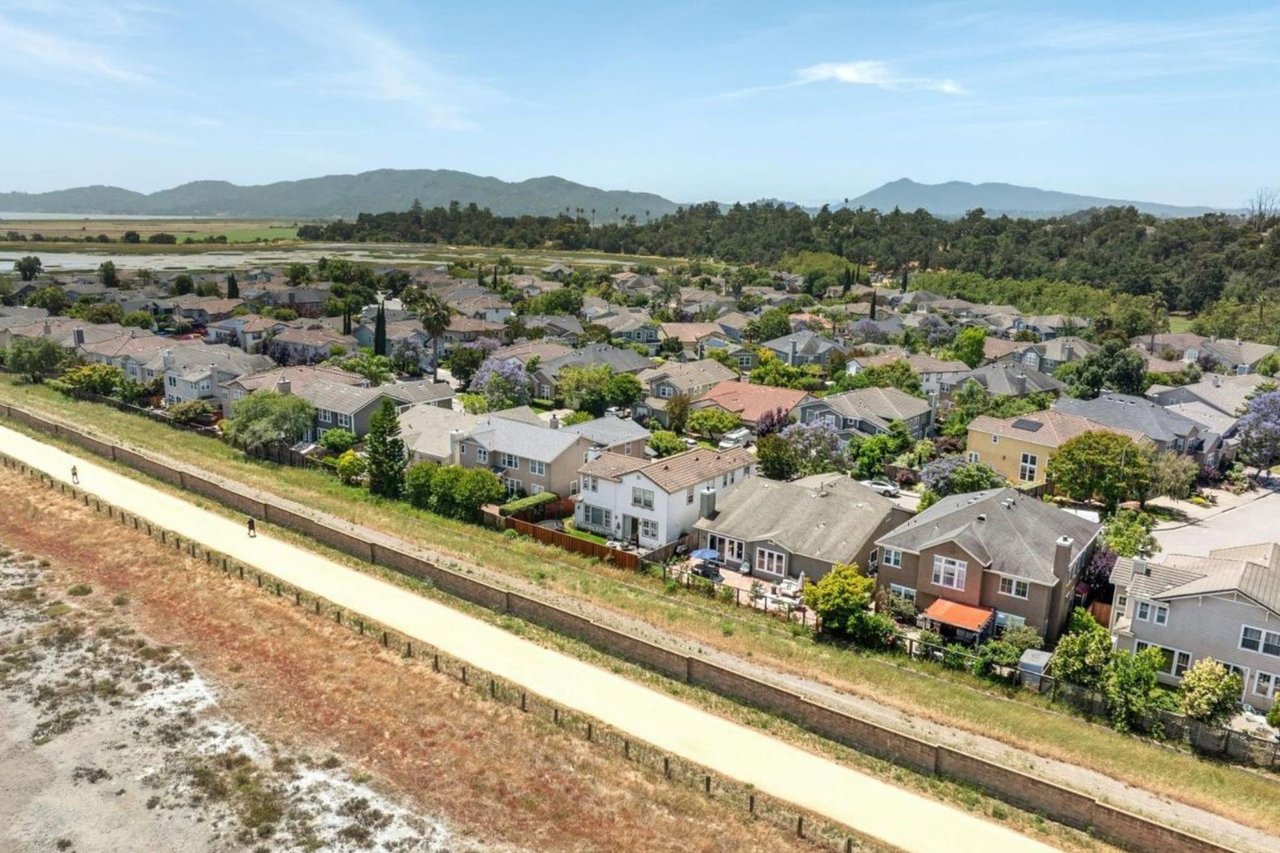
A Marin townhome often appeals to buyers who want a little more separation from a shared building core. You may find private-feeling entries, a layout with more vertical separation inside the home, and a setting that feels more connected to streets, paths, and neighborhood edges.
Marin’s lower density supports that experience. Countywide, it tends to feel less vertical and less compressed than San Francisco, which can be a big draw if you are craving a calmer day-to-day environment without necessarily moving to a fully detached home.
Outdoor access is another major part of the appeal. Marin County Parks notes that the county has 39 parks and 34 open space preserves totaling about 18,500 acres, with the Open Space District managing preserves with trails and fire roads.
That network shapes daily life in a very real way. Even if your home is attached, your surroundings may feel more tied to hiking, biking, walking, and time outside.
Outdoor Access Can Change Your Routine
If your current condo life feels a little too building-centered, Marin may offer a different kind of rhythm. In places like San Rafael, local resources point to trails, transit access, and connections to open-space areas including China Camp State Park.
Larkspur adds direct ferry access to San Francisco and a large terminal with 1,800 parking spaces. Mill Valley describes miles of steps, lanes, and trails that connect hillside neighborhoods to transit stops, while Novato highlights Bay Trail walkways and access to the Hamilton Wetlands area.
This does not mean every Marin townhome comes with privacy or sweeping nature access. It does mean the broader setting makes that lifestyle more likely than it may be in a typical San Francisco condo environment.
Marin Does Not Mean Car-Only Living
Some San Francisco buyers worry that moving to Marin means giving up workable access to the city. That is not necessarily the case.
Golden Gate Ferry operates daily service between Marin and San Francisco, and local transit options in San Rafael include Marin Transit, Golden Gate Transit, SMART, and Marin Access. For buyers who do not need to be in an office every day, or who can combine driving with ferry or rail service, Marin may still support a practical commute.
Your ideal setup depends on your actual week. A home that feels peaceful on Saturday still has to work on Tuesday morning, so it helps to think through commute patterns as carefully as finishes and floor plans.
HOA Rules Matter More Than the Home Label
This is where many buyers make costly assumptions. A Marin townhome is not automatically lower-maintenance than a San Francisco condo.
The real question is what the governing documents say. California Department of Real Estate guidance explains that CC&Rs identify common area, maintenance duties, assessment obligations, insurance requirements, and architectural control rules.
That means your monthly HOA payment may cover very different things from one property to the next. Shared roofs, private streets, decks, landscaping, driveways, and exterior walls can all shift the balance of responsibility.
What to Review Before You Buy
When you are choosing between a San Francisco condo and a Marin townhome, review the HOA documents with care. The details shape both your monthly costs and your long-term experience.
Focus on these items:
- CC&Rs to see who maintains what
- Bylaws and rules for day-to-day use restrictions
- Budget to understand current operating costs
- Reserve account to gauge preparation for future repairs
- Insurance information to confirm coverage levels
- Board minutes to spot recurring issues or planned projects
The Department of Real Estate also notes that regular assessments support operations and reserves, while special assessments may be used for major repairs, replacement, new construction, or unexpected expenses such as insurance increases. That is why two similar-looking homes can carry very different financial realities.
Privacy and Maintenance Are Project-Specific
It is easy to assume a townhome means more privacy and a condo means more shared living. Sometimes that is true, but it is not a rule.
Some condo projects offer townhouse-style layouts with direct entries and a more private feel. Some townhome communities still involve extensive shared maintenance obligations, close spacing, or rules that affect decks, parking, landscaping, and exterior changes.
A better question to ask is this: What does this specific property ask of me, and what does it give me in return? That framing usually leads to a smarter decision than relying on the marketing label alone.
Price Context Is Worth Noting
Countywide figures also show that Marin is not necessarily the budget alternative some buyers expect. The median owner-occupied home value is $1,507,300 in Marin County, compared with $1,394,500 in San Francisco County.
Those are broad countywide numbers, not direct condo-versus-townhome medians, so they should not be used to predict the price of any one home. Still, they are a useful reminder that this choice is often about lifestyle fit more than finding a universally cheaper option.
How to Decide Which Fits Your Next Chapter
If you are torn between a San Francisco condo and a Marin townhome, start with your real life rather than your wish list. Think about where you want your day to begin and end, how much shared infrastructure feels comfortable, and whether you want your free time to revolve more around city access or open-space access.
You may lean toward a San Francisco condo if you want a more urban environment, easier proximity to the city core, and a home that feels closely tied to a building community. You may lean toward a Marin townhome if you want a more neighborhood-oriented setting, easier access to parks and trails, and a home that feels more connected to the ground.
Neither path is automatically better. The right choice is the one whose ownership structure, HOA scope, and surrounding environment support the way you actually want to live.
If you are weighing a move between San Francisco and Marin, Marks Realty Group can help you compare the details that matter, from HOA documents and neighborhood feel to commute patterns and long-term fit.
FAQs
What does condo mean in California real estate?
- In California, a condo is a legal ownership form where you own a separate unit interest plus an undivided interest in common area.
Can a Marin townhome also be a condo?
- Yes. In California, townhome is an architectural term, so a townhome can be legally structured as a condominium or another common-interest development type.
Is a San Francisco condo always more communal than a Marin townhome?
- Not always. Many San Francisco condos involve more shared spaces, but the actual level of privacy and shared responsibility depends on the specific project and its governing documents.
Do Marin townhomes usually offer better outdoor access than San Francisco condos?
- Often, yes, because Marin County has lower density and a large network of parks and open space, but the experience still depends on the location and project.
What HOA documents should you review before buying a condo or townhome in California?
- Review the CC&Rs, bylaws, rules, budget, reserve information, insurance details, and prior board minutes to understand maintenance duties, costs, and restrictions.
Is commuting from Marin to San Francisco realistic for homebuyers?
- It can be, especially if your routine works with Golden Gate Ferry or regional transit options such as Marin Transit, Golden Gate Transit, SMART, and related local services.