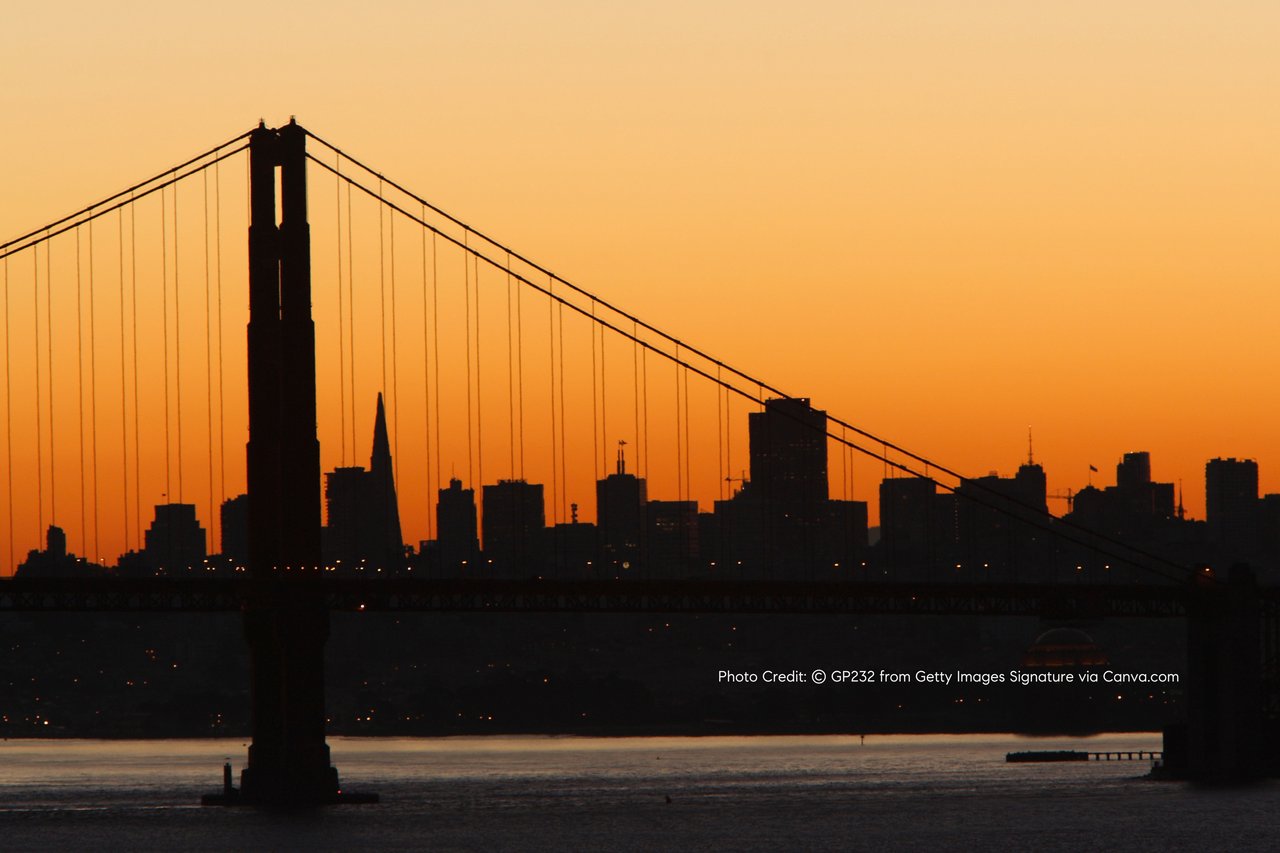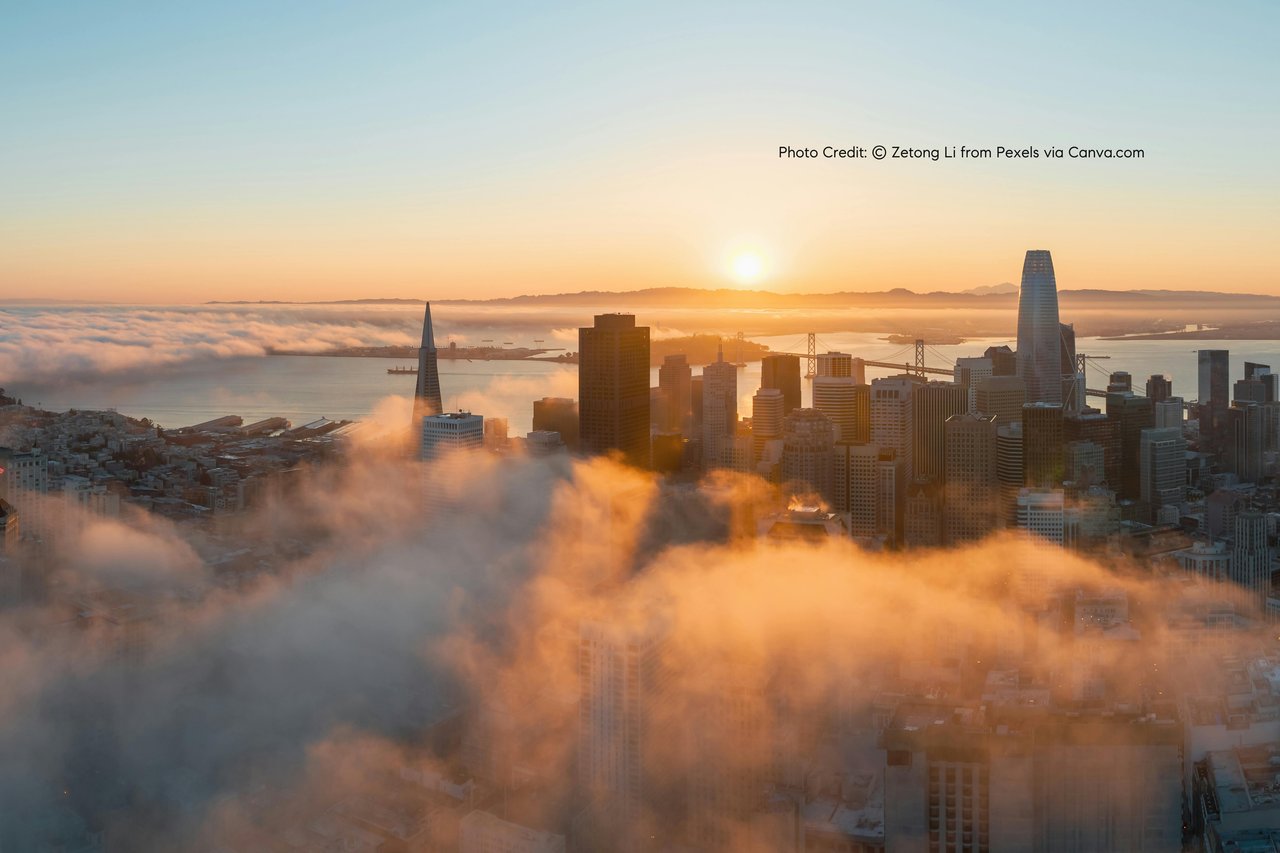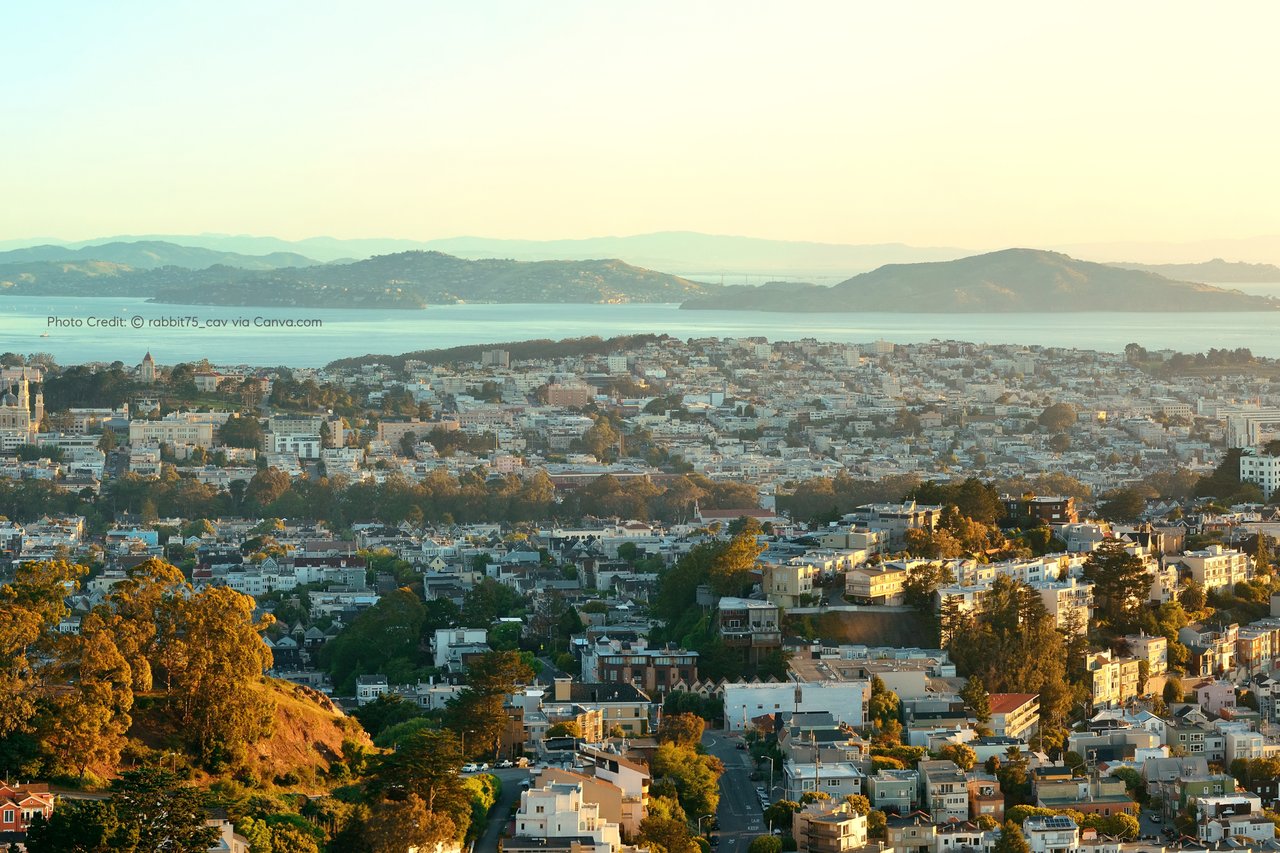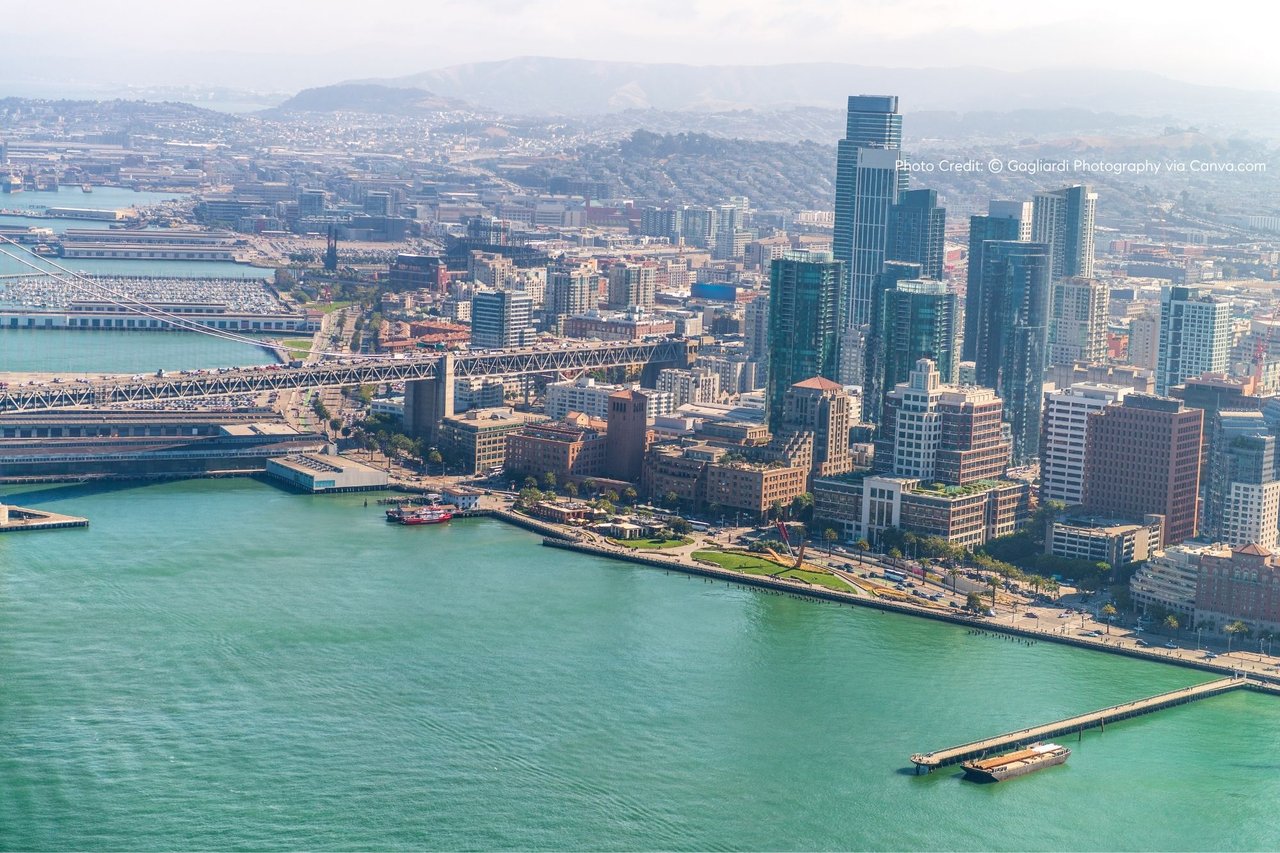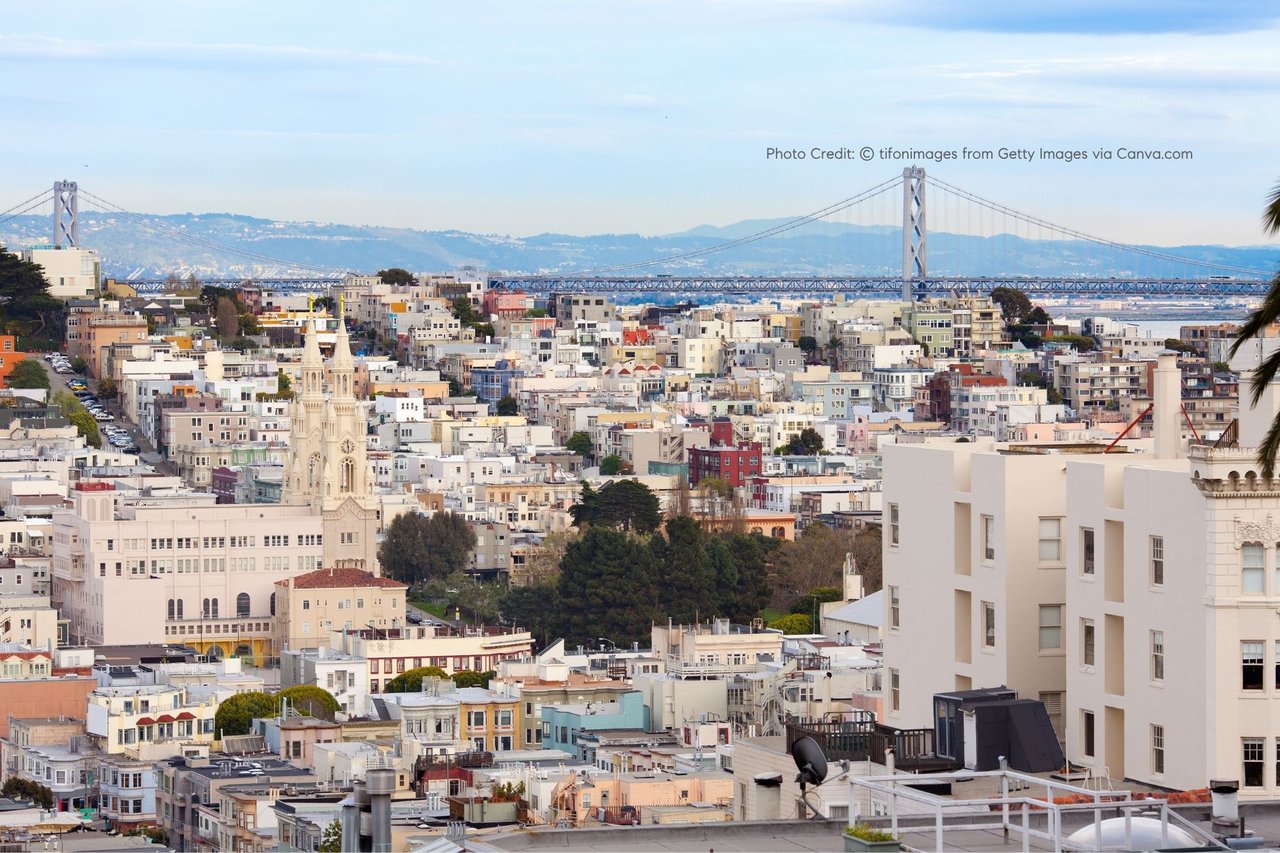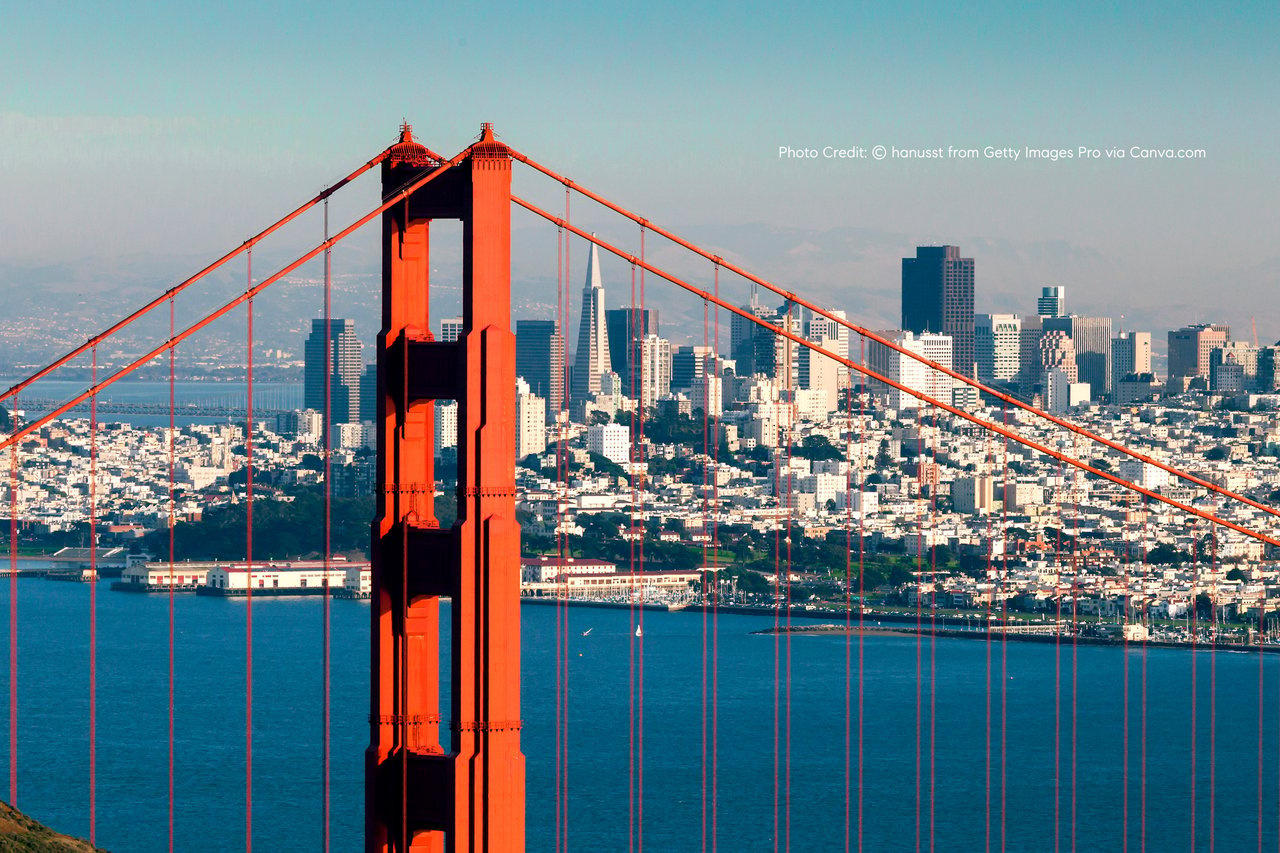
Downtown San Francisco has spent the past few years defined mostly by what it lost. Emptied floors, quiet lobbies, and an office vacancy rate that became national shorthand for the remote-work era. This summer, that narrative finally cracked open. Three of the city's older office buildings filed to become housing, the first real evidence that San Francisco's long campaign to turn offices into homes has moved from policy papers to actual permits. According to the San Francisco Chronicle, the three projects add up to roughly 300 new homes.
It is a modest number against the scale of the need. It is also the most encouraging signal downtown has produced in years.
The Vacancy That Opened the Door
San Francisco still carries the emptiest office market of any major U.S. city. Real estate research firm Yardi Matrix put the city's office vacancy at 25.8% in June 2026, the highest among the nation's largest metros. Roughly a quarter of downtown office space is sitting unused at the same moment San Francisco is required to plan for about 82,000 new homes by 2031 under its state housing target.
Those two facts have circled each other for years without meeting. The obvious idea, put people where the desks used to be, always ran into the same wall: the numbers never worked. That is what changed.
The Incentive That Changed the Math
In February 2026, Mayor Daniel Lurie signed the Downtown Revitalization Financing District into law. According to California Construction News, qualifying conversions in the downtown core can now collect annual incentive payments for up to 30 years, paid out of the future property taxes those new homes generate rather than out of the city's current budget. Officials estimate about 50 downtown buildings could qualify.
The financing district is only the headline. It sits on top of a broader package the city assembled over roughly five years: waived impact fees, expedited approvals, and zoning changes that also make projects outside the core easier to move. Together those tools rewrote the math. One of the developers behind the current wave told the Chronicle that a converted unit can be delivered for roughly $500,000 to $600,000, well under the nearly $1 million per unit it takes to build new. When a conversion pencils, it competes.
Three Buildings Worth Watching
The projects tell you a lot about where this works. The one drawing the most attention is 901 Market Street, a historic six-story building in Mid-Market, where Hudson Pacific has filed to convert the upper floors. Because it sits in the downtown core, it is widely treated as the litmus test for whether the city's larger institutional owners will actually commit, not just study the idea.
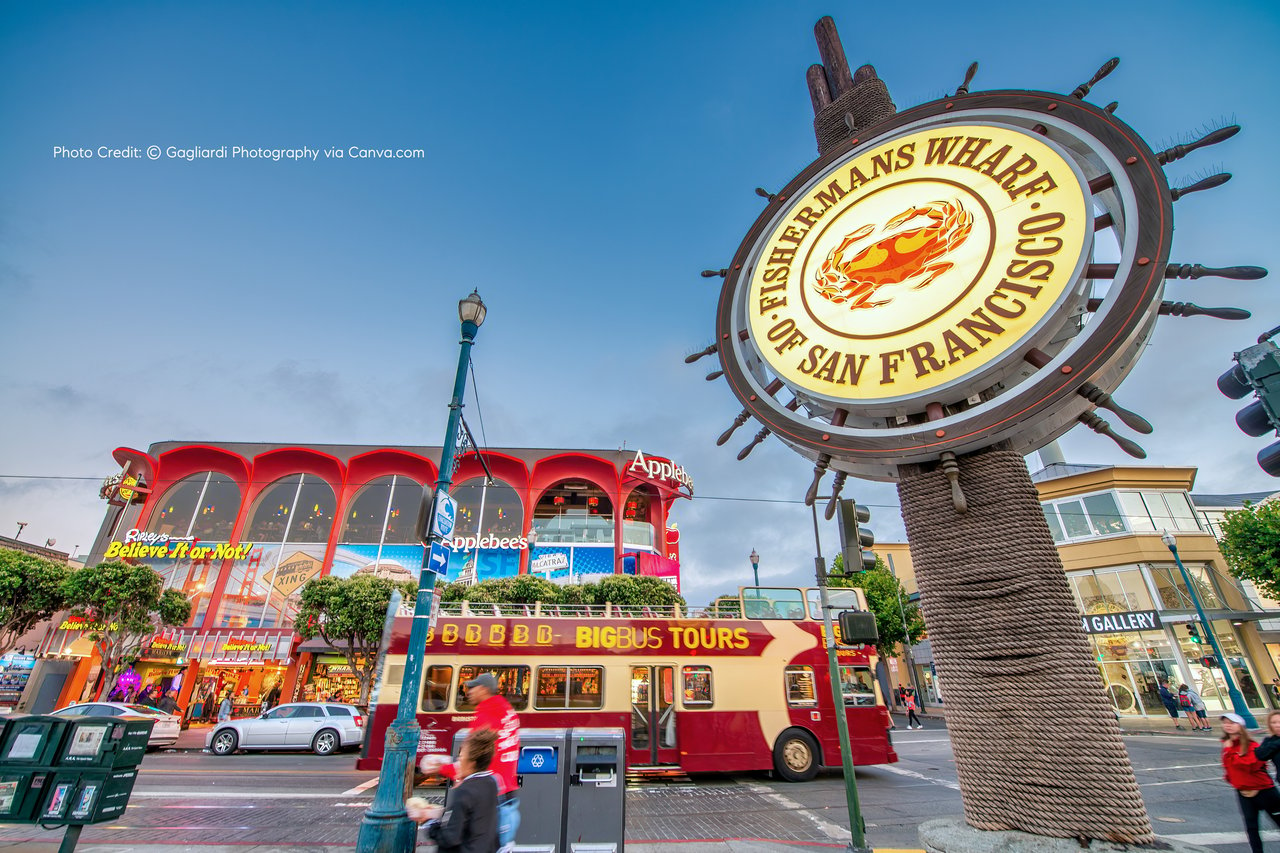
The other two show the trend spreading beyond downtown. 150 Hayes Street sits at the eastern edge of Hayes Valley, near the Civic Center performing arts halls and steps from the Van Ness Metro, in one of the city's most naturally walkable pockets. And 2300 Stockton Street, a low-rise office near Fisherman's Wharf and half a block from Pier 39, would both convert and add floors, bringing full-time residents into a district that empties out the moment the tourists leave.
Why Not Every Empty Office Becomes a Home
Here is what gets lost in the optimism. Most office towers make poor apartments. The glass-and-steel high-rises built in the later decades of the last century have deep floor plates that leave large windowless cores and plumbing runs that fight you at every turn. The buildings that convert cleanly tend to be older and slimmer, with windows within reach of every room.
Price does the rest of the work. According to industry analysis from Propmodo, the conversions that move forward almost always start with a building bought at a deep discount, the way 600 California Street traded after falling into receivership. A low basis is often the difference between a plan and a groundbreaking. This is a scalpel, not a bulldozer. It will reshape select blocks rather than the whole skyline.
What It Means If You Are Buying or Selling Here
We have watched buyers who want a true downtown address run out of options for years, because almost nothing new has come online in the core. That is the quiet significance of this wave for our clients. A handful of these projects, delivered and occupied, would put a genuinely new kind of home on the market: central, walkable, in buildings with real architectural character.
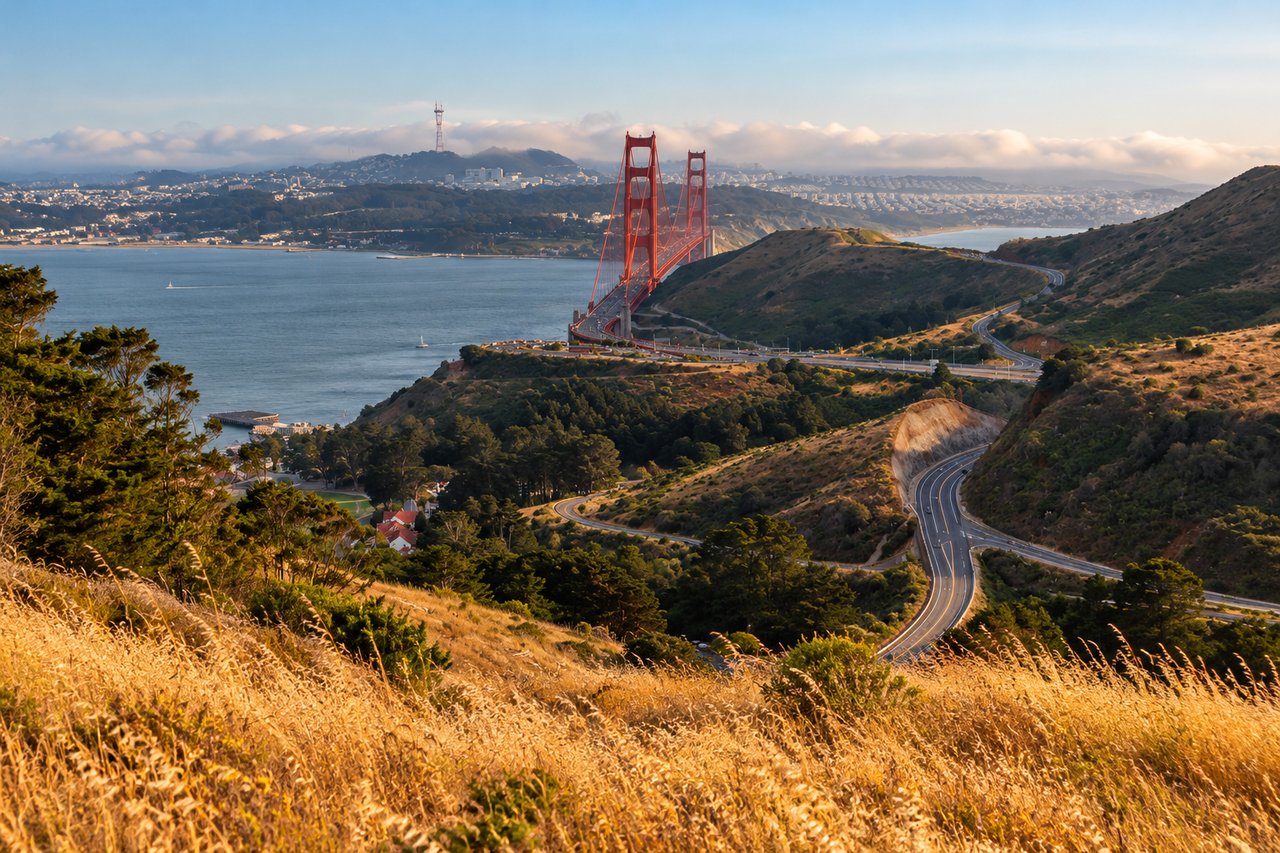
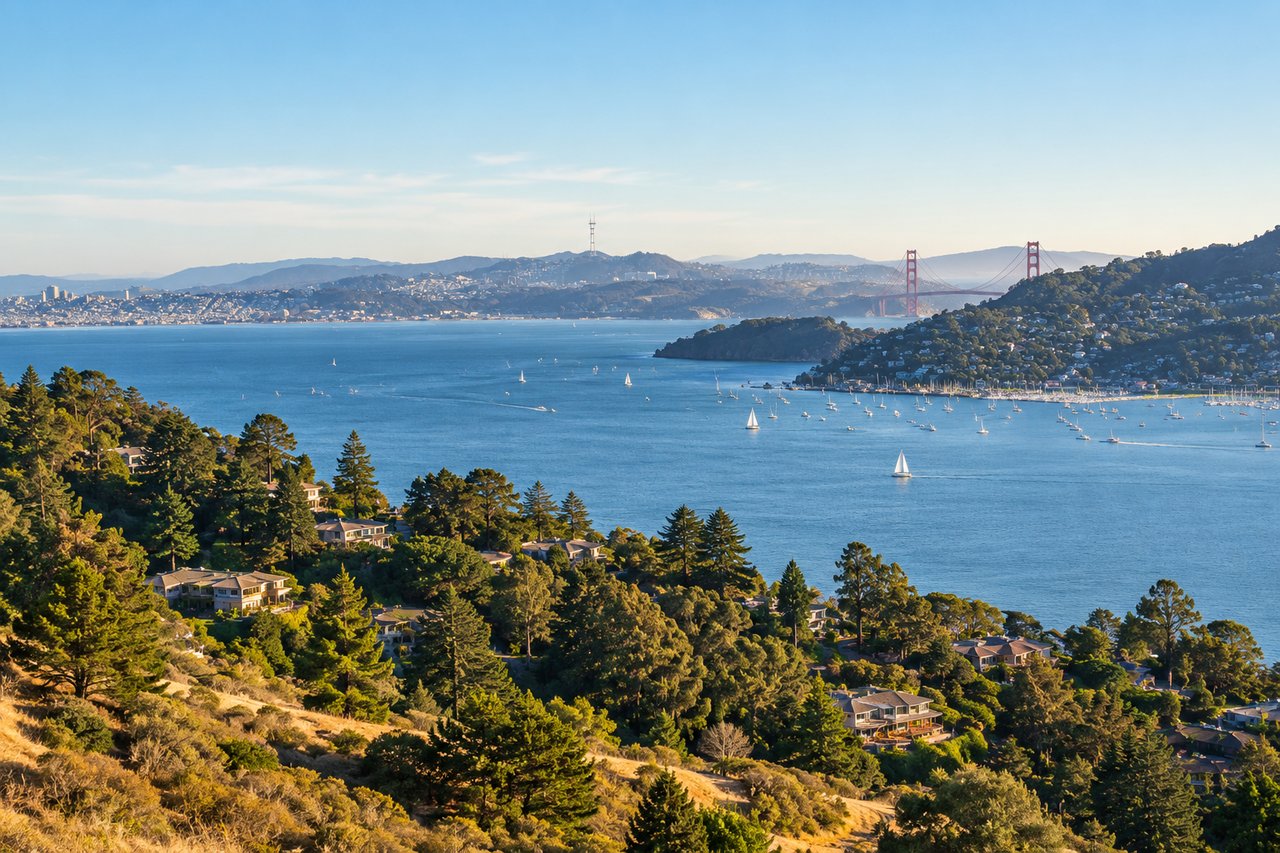
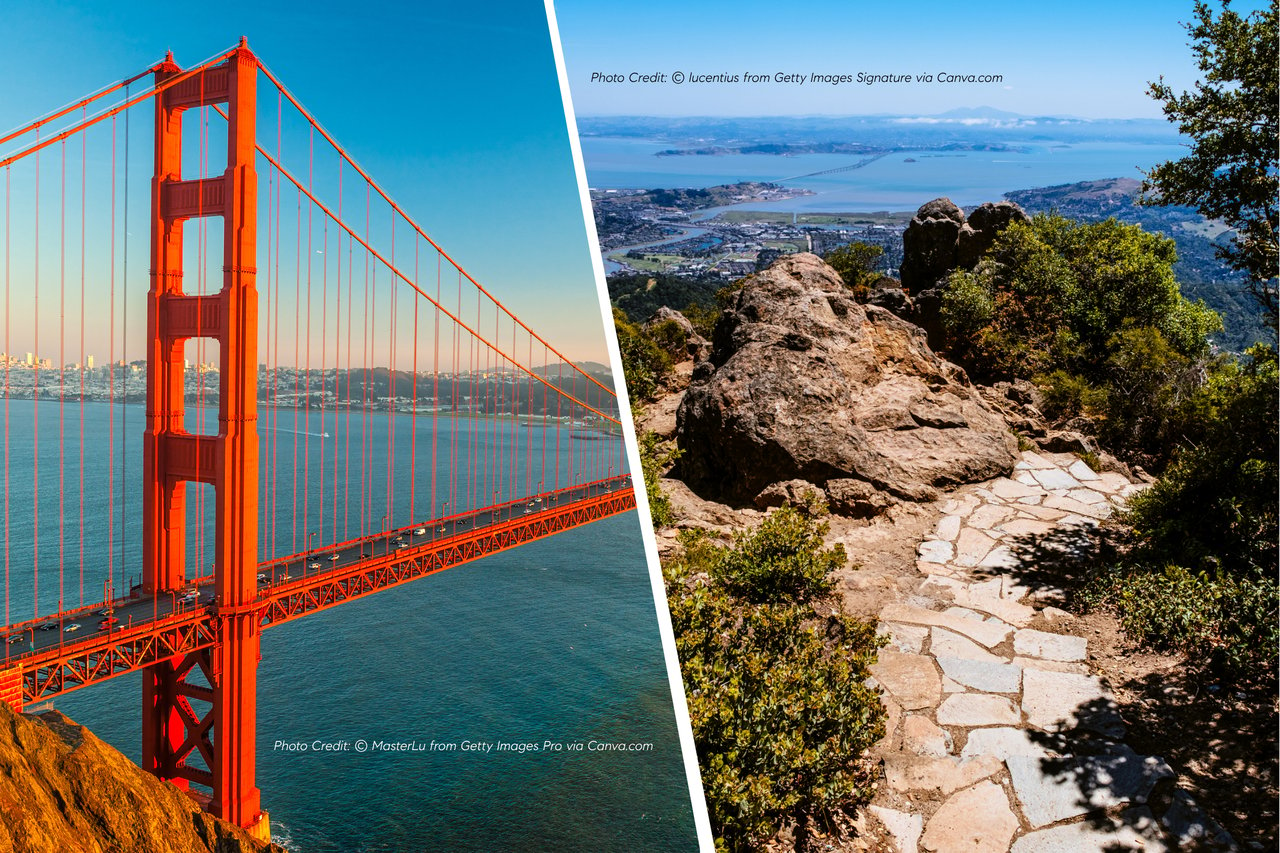
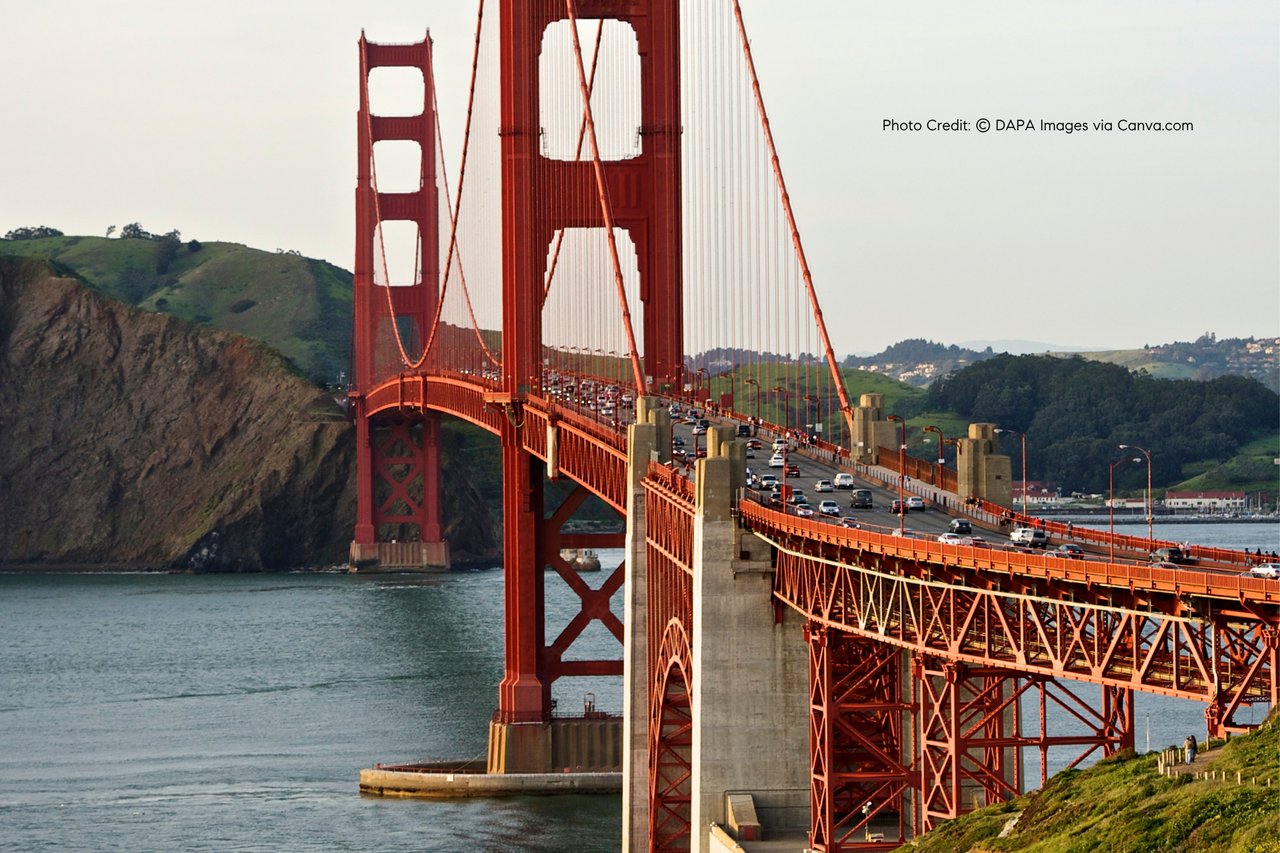
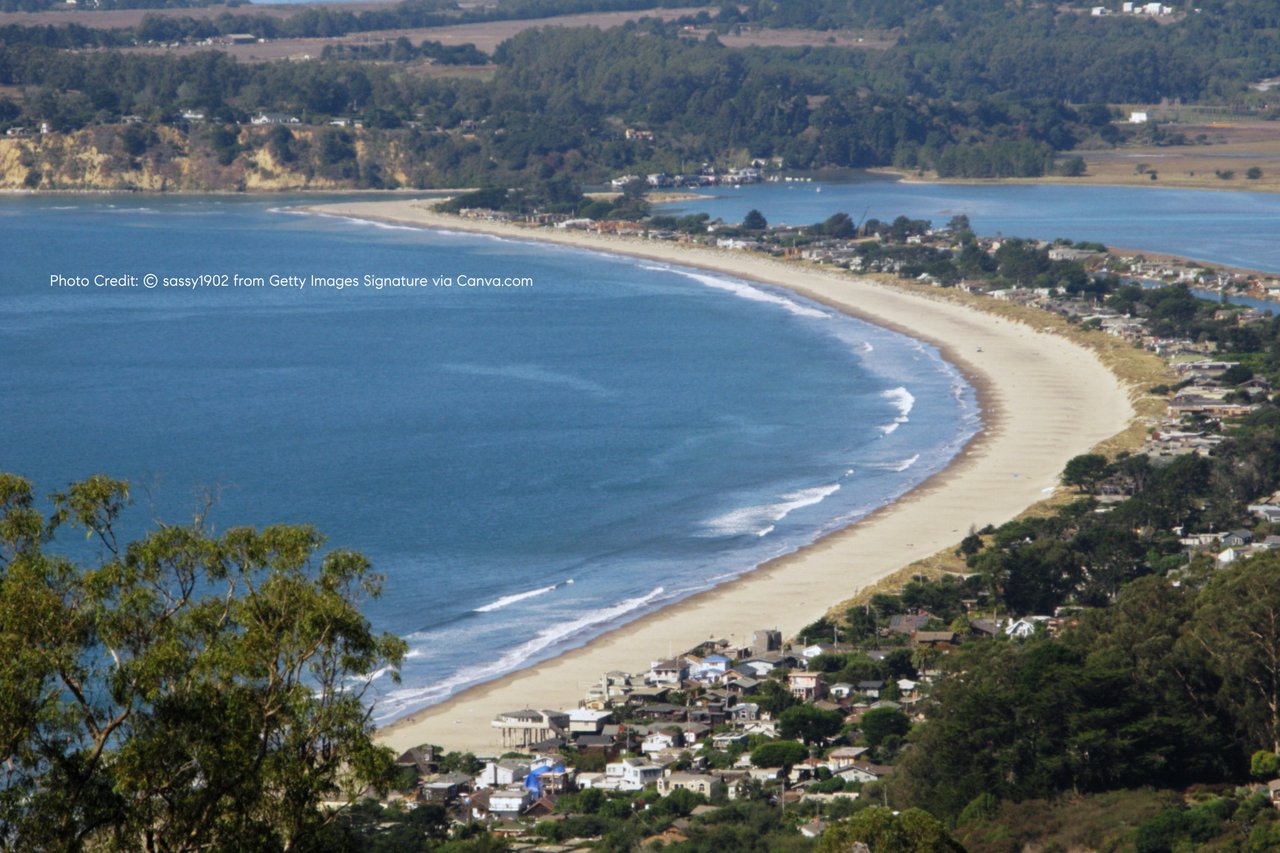
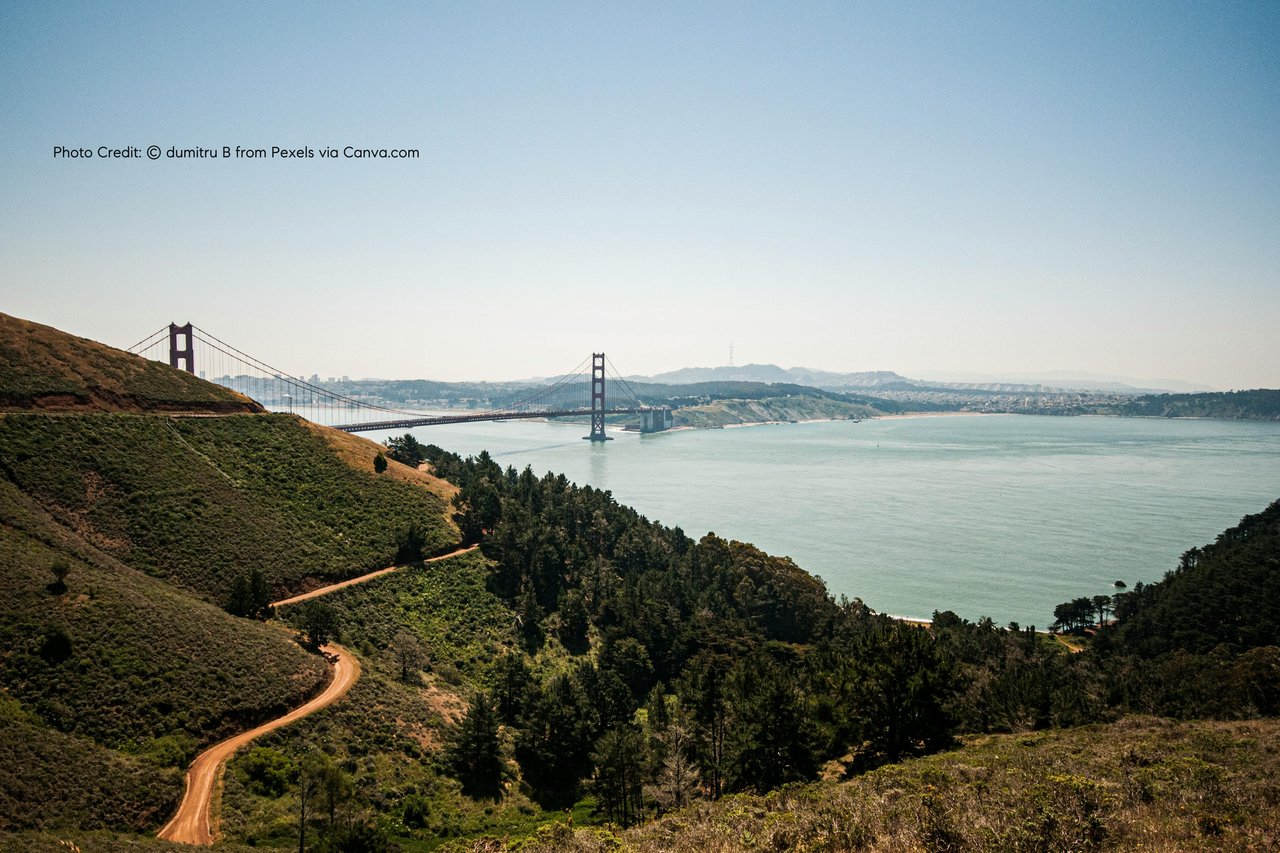
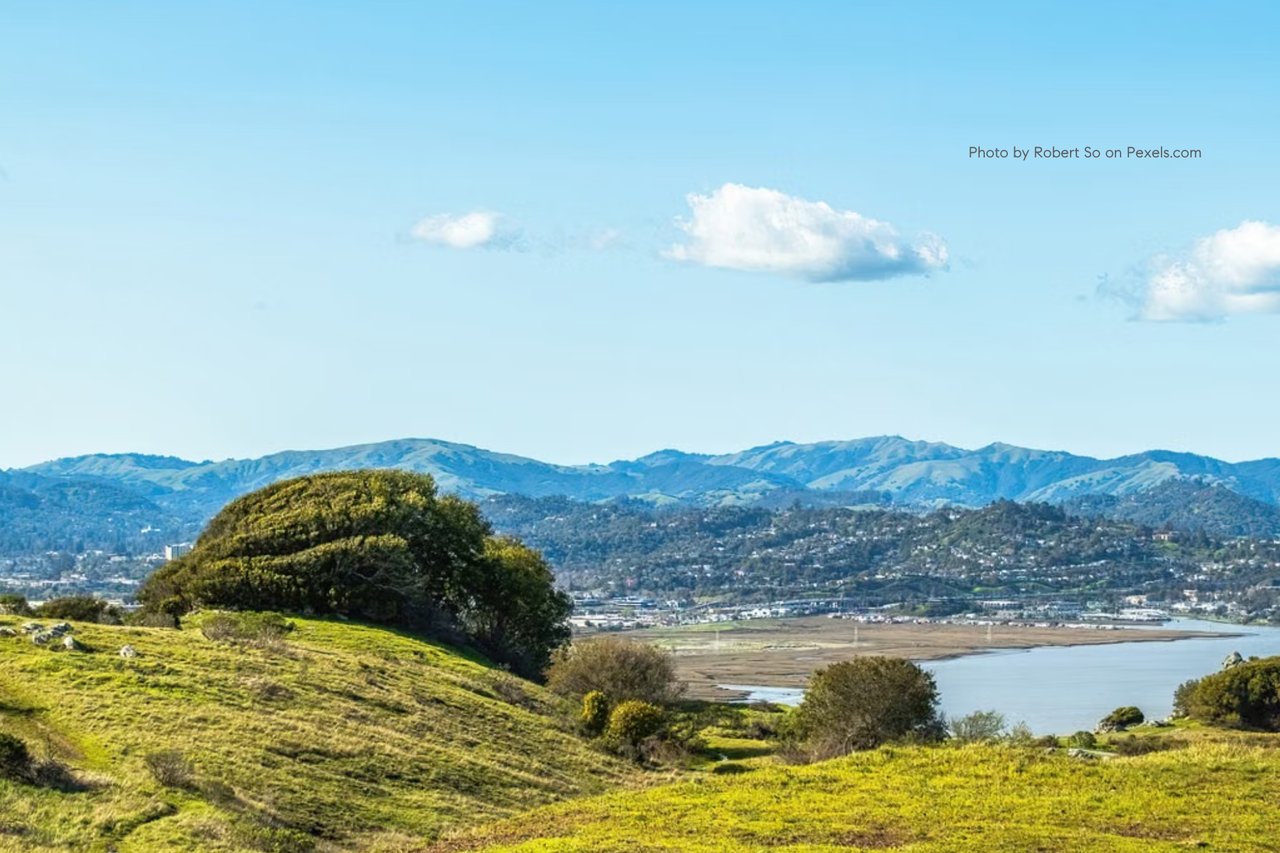
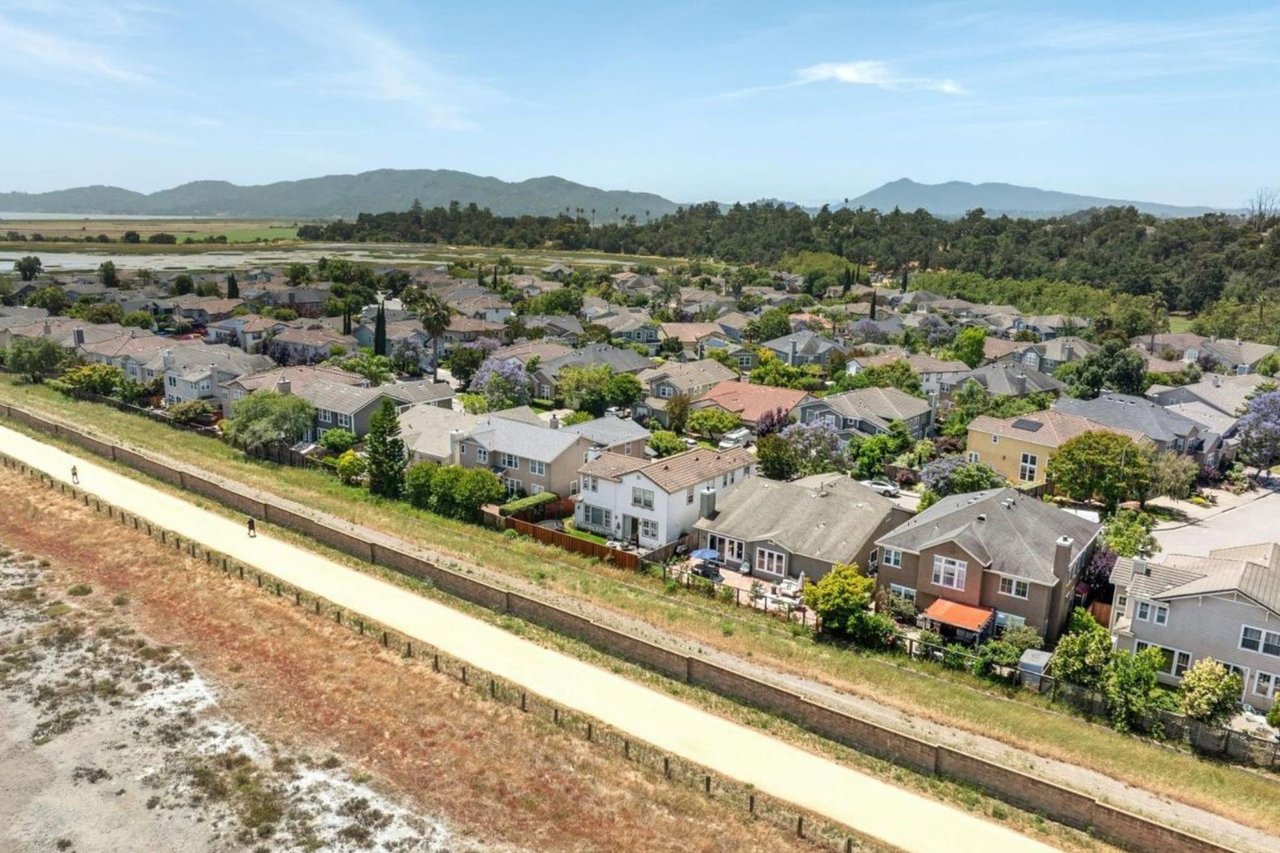
The ripple reaches further than the Financial District. When downtown fills back in, the health of the whole regional market improves, from the San Francisco neighborhoods many of our clients are watching to the Marin County towns just across the bridge. A living downtown supports the restaurants, the retail, and ultimately the confidence that values lean on. Citywide headlines only tell you the weather. The value is in knowing which blocks are actually turning, and that is the read we bring to every conversation.
Key Metrics at a Glance
SF office vacancy (June 2026): 25.8%, highest among major U.S. metros
First conversion wave: about 300 homes across 901 Market, 150 Hayes, and 2300 Stockton
Cost advantage: roughly $500,000 to $600,000 per converted unit, versus nearly $1 million for new construction
Buildings that may qualify for incentives: about 50 in the downtown core
Incentive structure: up to 30 years of payments funded by future property tax growth
State housing target: roughly 82,000 new San Francisco homes by 2031
The Bottom Line
San Francisco has finally handed developers the tools to make office conversions work, and the first buildings are testing whether the tools are enough. The pace will be measured and the winners specific, but the direction is set, and it favors a downtown built for living rather than just working.
If you are thinking about a move in San Francisco or Marin County, or simply want to understand what a changing downtown means for your own home's value, we would be glad to talk it through. You can reach Marks Realty Group anytime, or begin with a complimentary home valuation whenever the timing feels right.
source: sfchronicle.com, yardimatrix.com, californiaconstructionnews.com, propmodo.com, sfplanning.org