Here’s the encouraging part first: the single most effective thing you can do to protect a home from wildfire is also one of the cheapest, and it happens in the five feet closest to your walls. That’s the idea behind California’s new Zone 0 rule, a first-in-the-nation standard for that narrow ember-resistant band around a house. It isn’t in force yet, and the timeline is still moving, but for the owners we work with across Marin and San Francisco, knowing what’s coming turns a looming rule into a simple head start.
Key Takeaways
Zone 0 is the first five feet around a home, the area where wind-driven embers tend to collect and ignite structures. California’s new rule would require it to be kept ember-resistant.
The Board of Forestry and Fire Protection adopted the regulation on August 19, 2026 in a unanimous vote, then withdrew it from final review on September 8 to make technical edits. It is not yet in effect.
The Board is expected to resubmit the rule this fall. State fire officials have estimated it could take effect as soon as late November or early December 2026, though no date is confirmed.
It would apply in designated high fire-hazard areas, covering an estimated two million structures statewide. New construction complies on day one; existing homes phase in over about five years.
Many of the measures also feed into the state’s “Safer from Wildfires” insurance-discount framework, so the same work that prepares you for Zone 0 can help with coverage and premiums.
For homeowners in Marin’s wooded hillsides and along the coast, this is less a warning than a planning opportunity. According to the Board of Forestry and CAL FIRE, Zone 0 would reach roughly two million structures across the state, about one in six. The owners who come out ahead tend to be the ones who understand the rule early and knock out the easy parts on their own schedule, long before any deadline arrives.
What Zone 0 Is, and Where It Came From
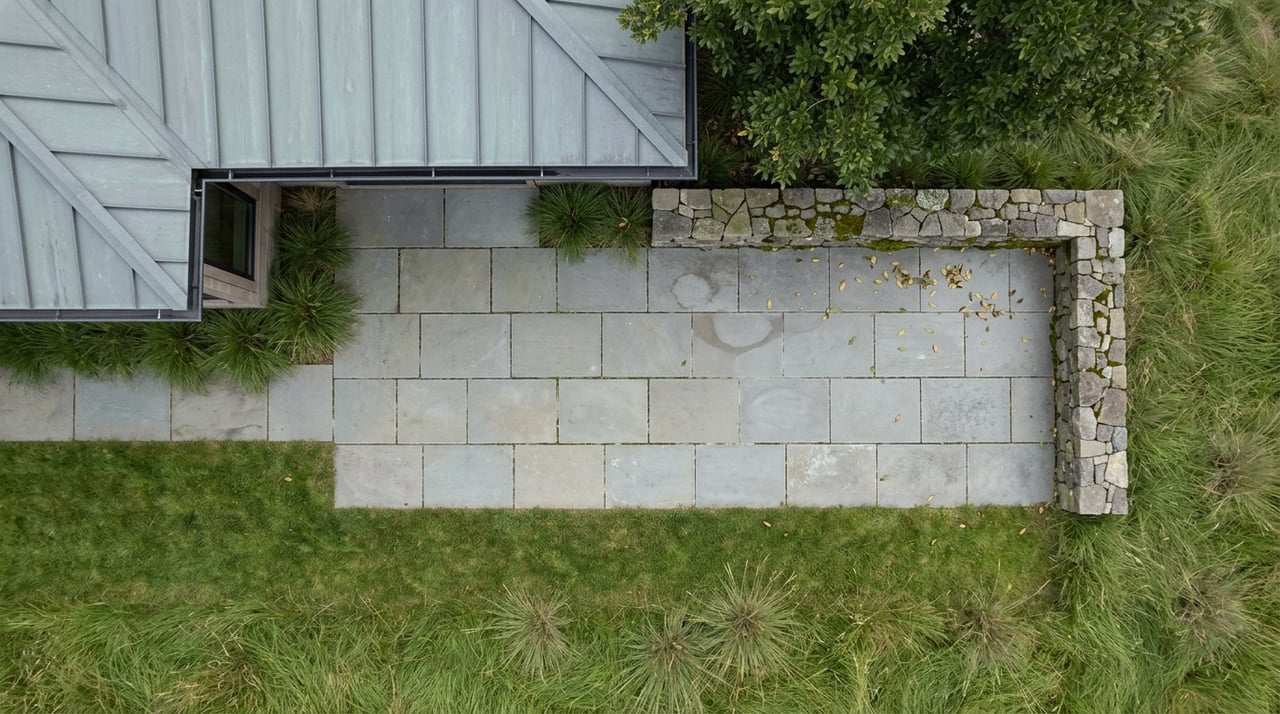
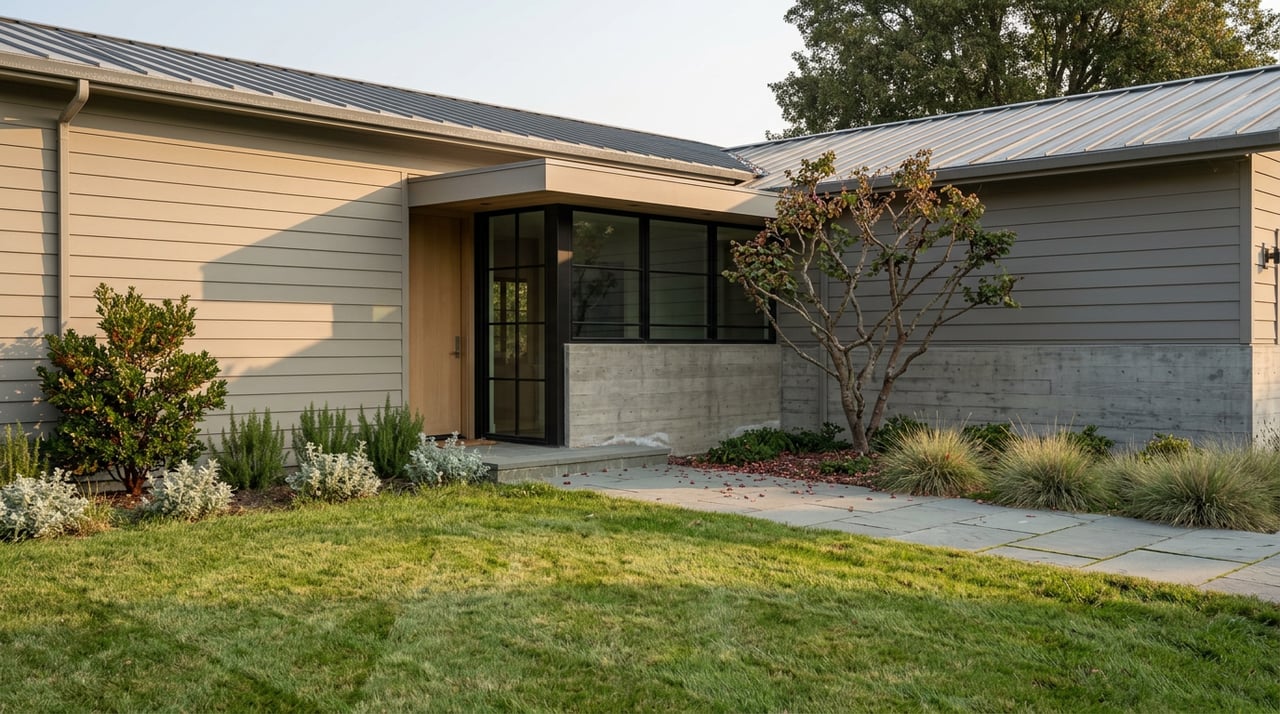
California’s defensible space law has long required 100 feet of managed space around homes in fire-prone areas, split into Zone 1 (the first 30 feet) and Zone 2 (30 to 100 feet). Zone 0 adds a third, innermost ring: the five feet immediately around the structure, including attached decks and fences.
The concept dates to Assembly Bill 3074, signed in 2020, with later direction from SB 504 (2024) and AB 1455 (2025), and a push from Governor Newsom’s executive order following the January 2025 Los Angeles fires. The thinking is practical: in most wildfires, homes are lost not to a wall of flame but to embers that drift in and catch on something combustible right against the house. Clear that strip, and you remove the most common point of ignition.
Where Things Stand Right Now
This is the part worth getting right, because the status has shifted. The Board of Forestry adopted the Zone 0 regulations on August 19, 2026, and submitted the package to the Office of Administrative Law for final review. On September 8, the Board withdrew that filing to make technical edits and answer the office’s questions before resubmitting.
As a result, there is no statewide Zone 0 requirement in effect today, and no confirmed effective date. The Board has signaled it intends to bring the rule back this fall, and state fire officials have estimated it could become effective as early as late November or early December 2026. Treat that as an estimate, not a deadline. The practical takeaway: the rule is coming, the exact date isn’t set, and nothing is being enforced in the meantime.
What It Would Require, and When
Once effective, Zone 0 would apply in State Responsibility Areas and in Very High Fire Hazard Severity Zones within cities and towns. New construction would need to comply from the effective date. Existing homes would phase in gradually, over roughly five years, which is where the rule is more manageable than it first sounds.
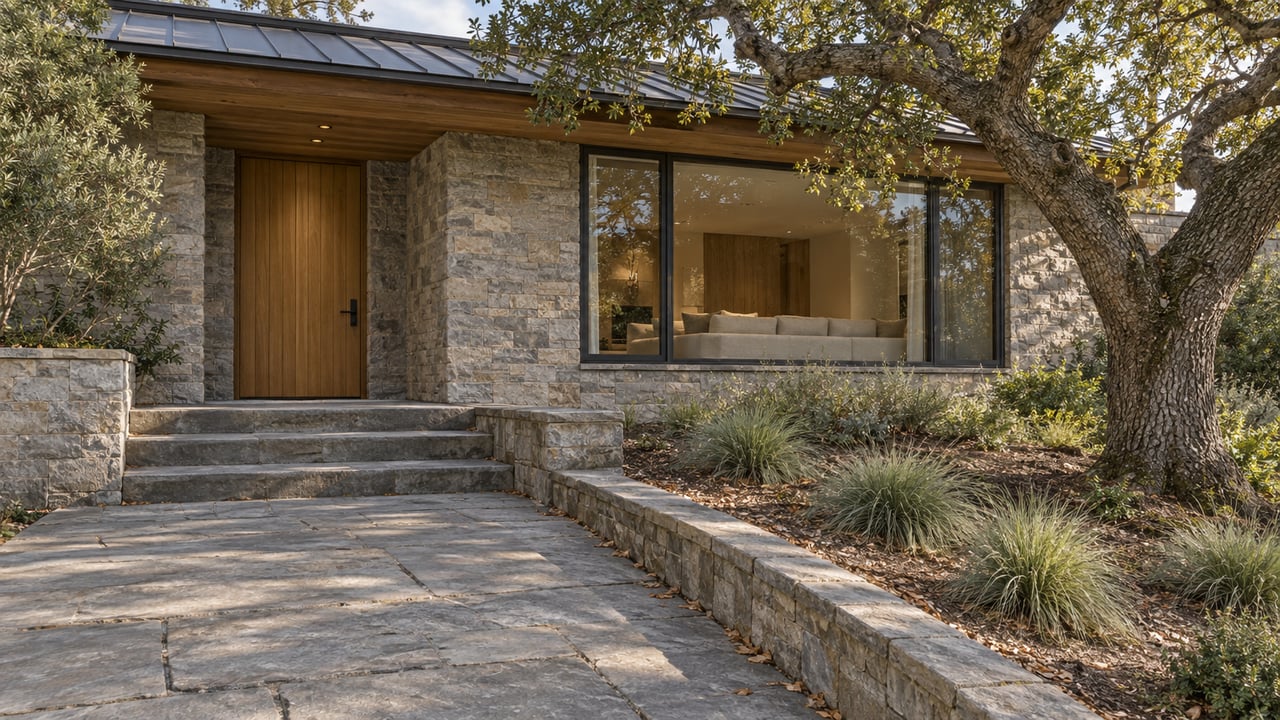
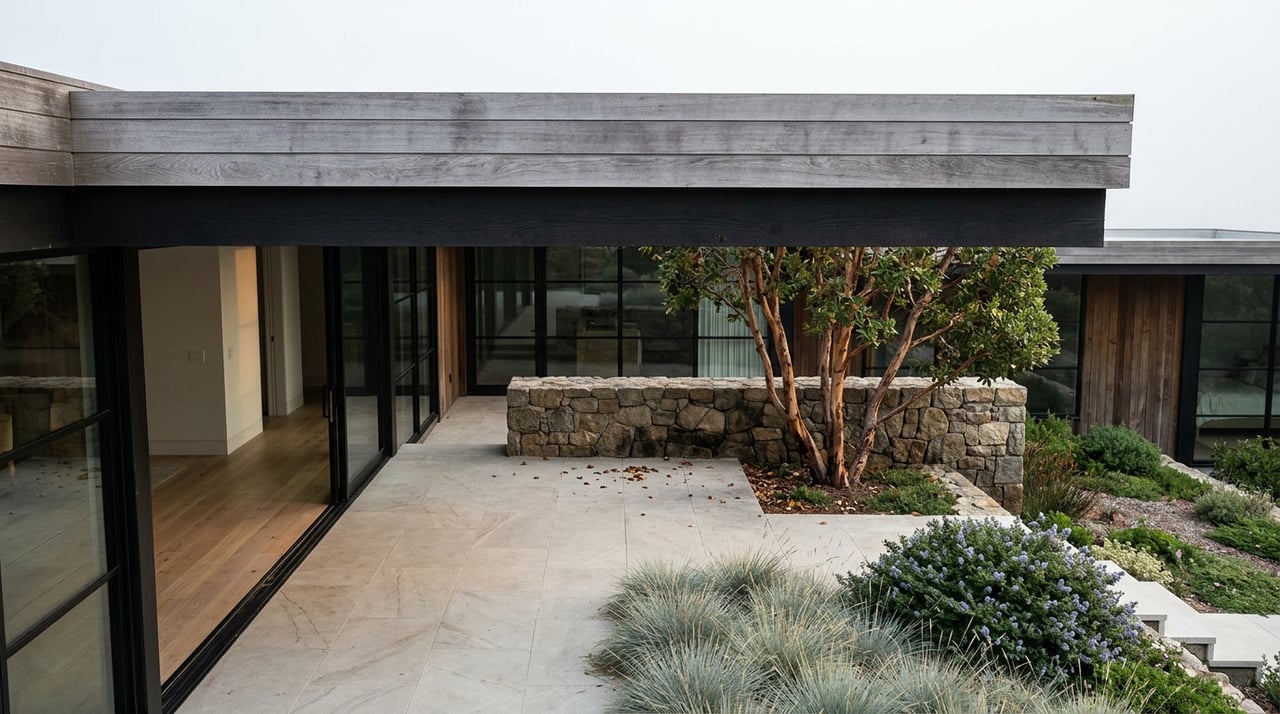
In broad strokes, the earliest steps are the simplest: keeping roofs and gutters clear and handling core tree maintenance, such as removing dead branches and anything overhanging too close to the structure. Within the first few years, owners would clear combustible items from the five-foot band, including firewood, stored materials, dead leaves, and wood mulch. Later phases address attached wood fences and gates, which would need a non-combustible section where they meet the house. None of it requires a wholesale redesign of a yard.
Why It Matters More in Marin and San Francisco
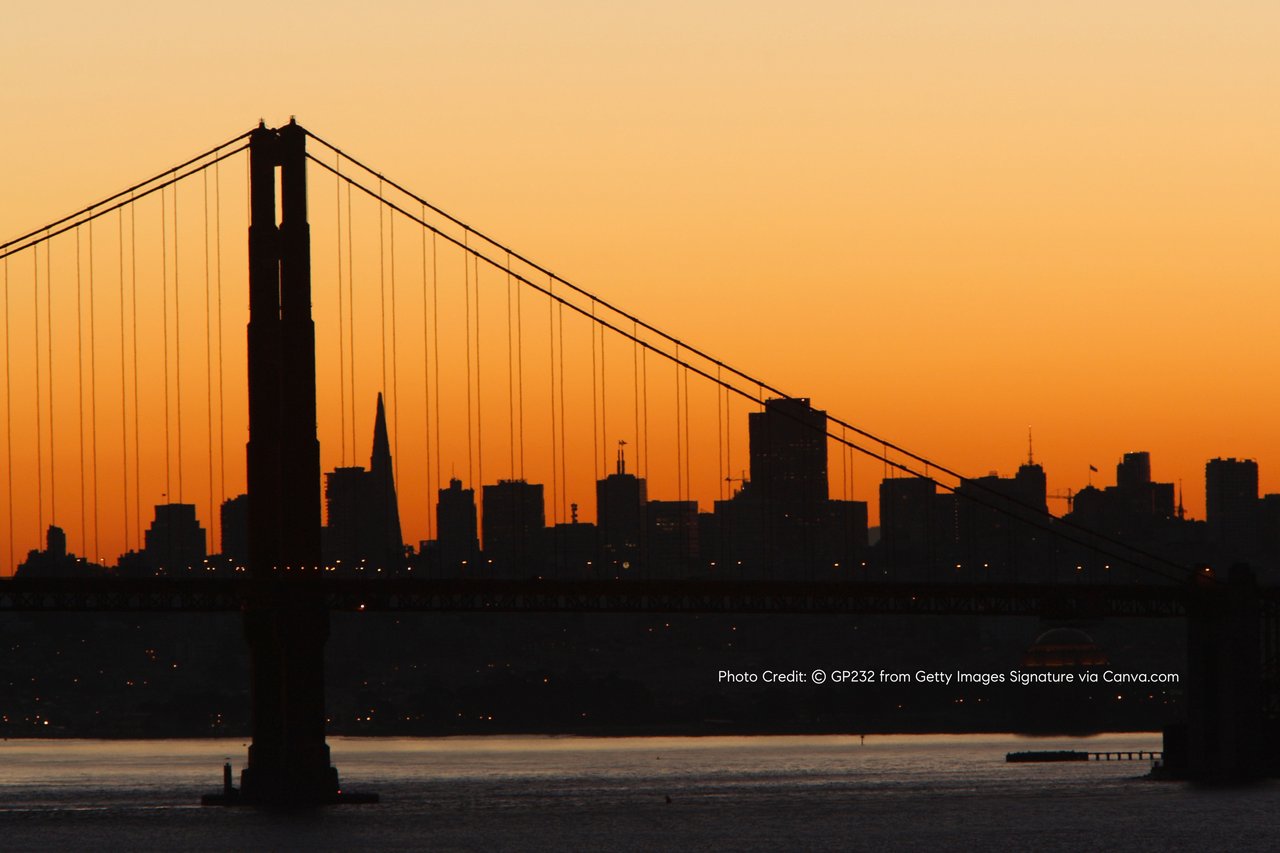
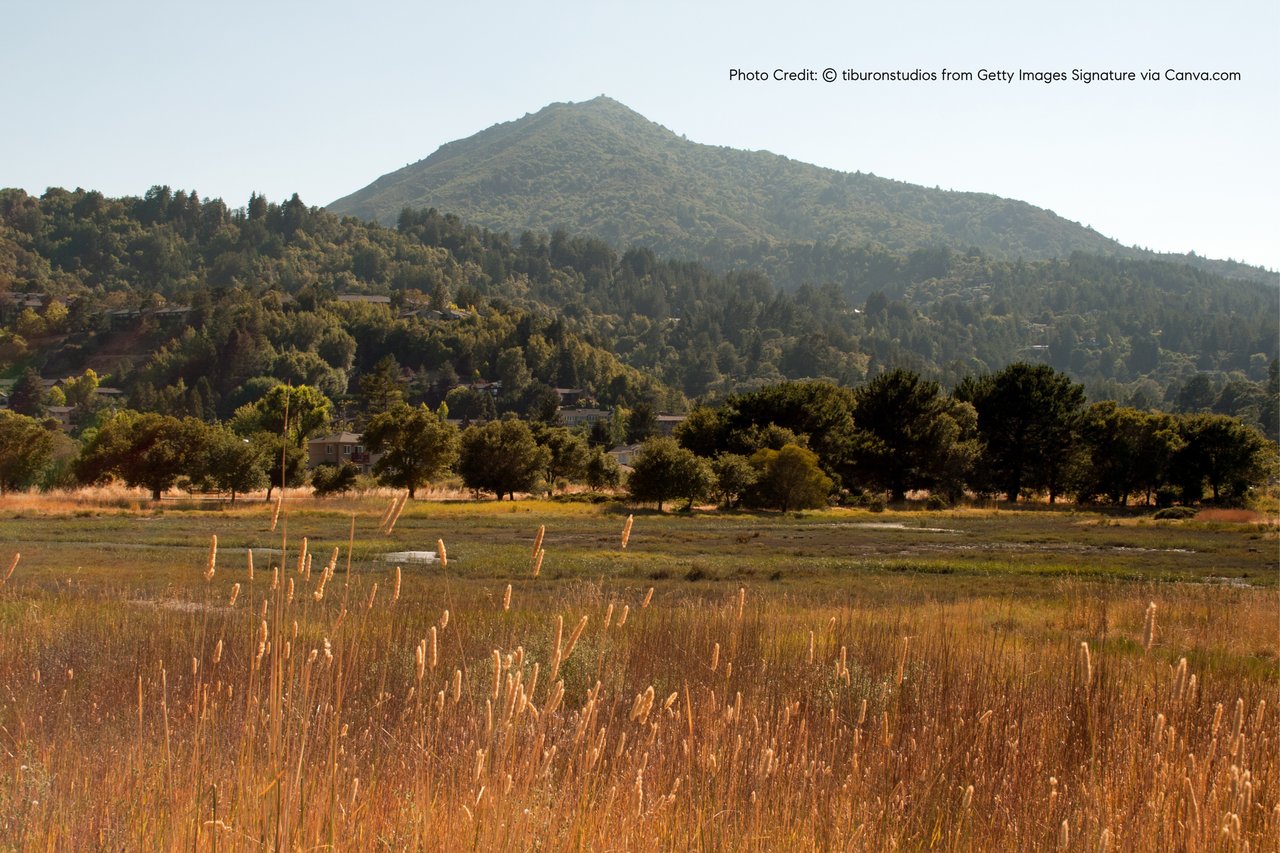
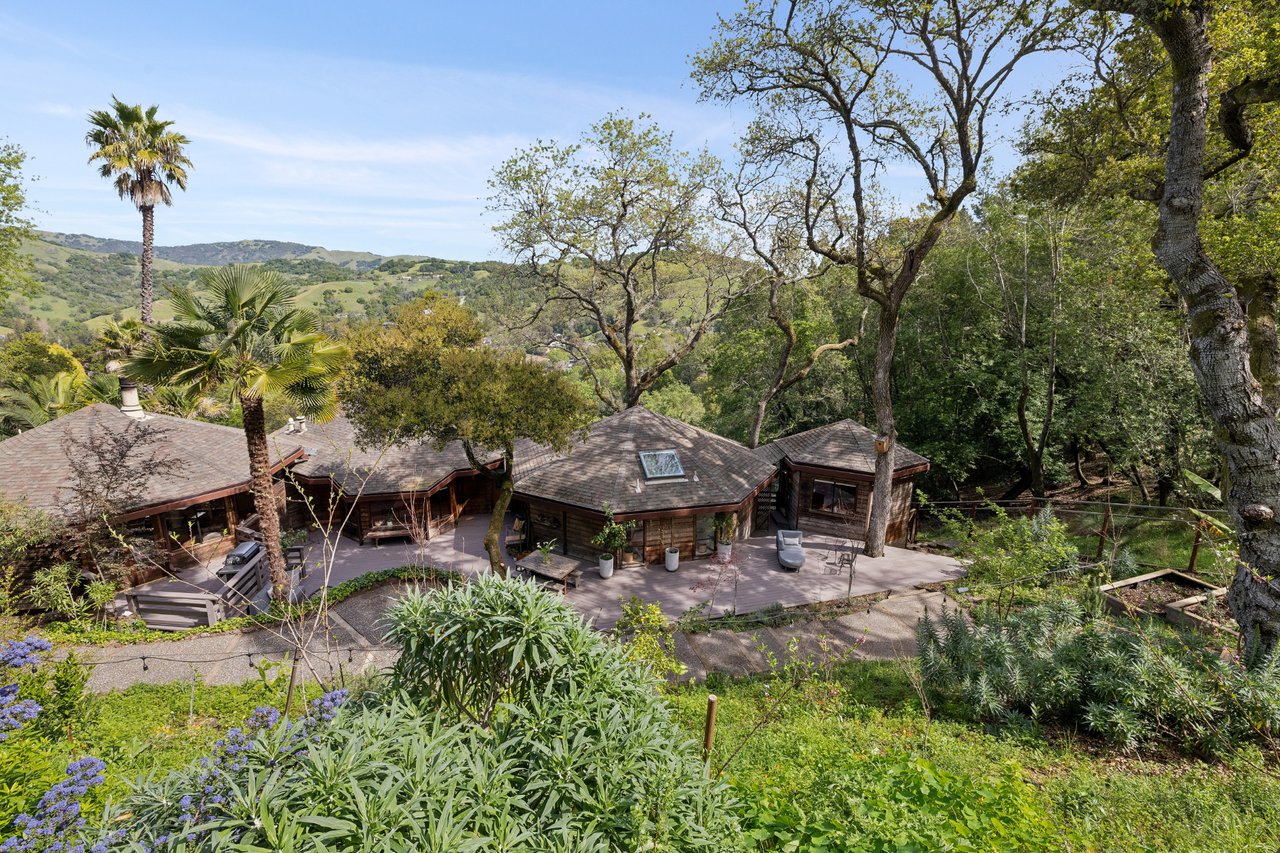
This is where a statewide rule takes on a local accent. Much of what makes Marin beautiful, homes tucked into oak-covered hillsides and along the coast, also places many parcels in or beside the hazard zones where Zone 0 would apply, from West Marin to the wooded edges of towns like Mill Valley, Fairfax, and San Anselmo. San Francisco proper has far less high-hazard terrain, so fewer city homes would be directly subject, though homeowners near open space and the broader insurance picture still make it worth understanding.
The bigger lever for most owners is insurability. The same defensible-space and home-hardening steps Zone 0 encourages tie into the California Department of Insurance’s “Safer from Wildfires” framework, under which insurers offer discounts for specific measures. In a region where securing and keeping coverage has become one of the harder parts of owning a home, that connection is real value, and a well-hardened, well-documented property can quietly strengthen a future sale.
If You Own a Home in a Fire-Hazard Area
The best news is how much of this is within your control, and how little it costs to begin. A few steps are worth doing now, regardless of the final timeline:
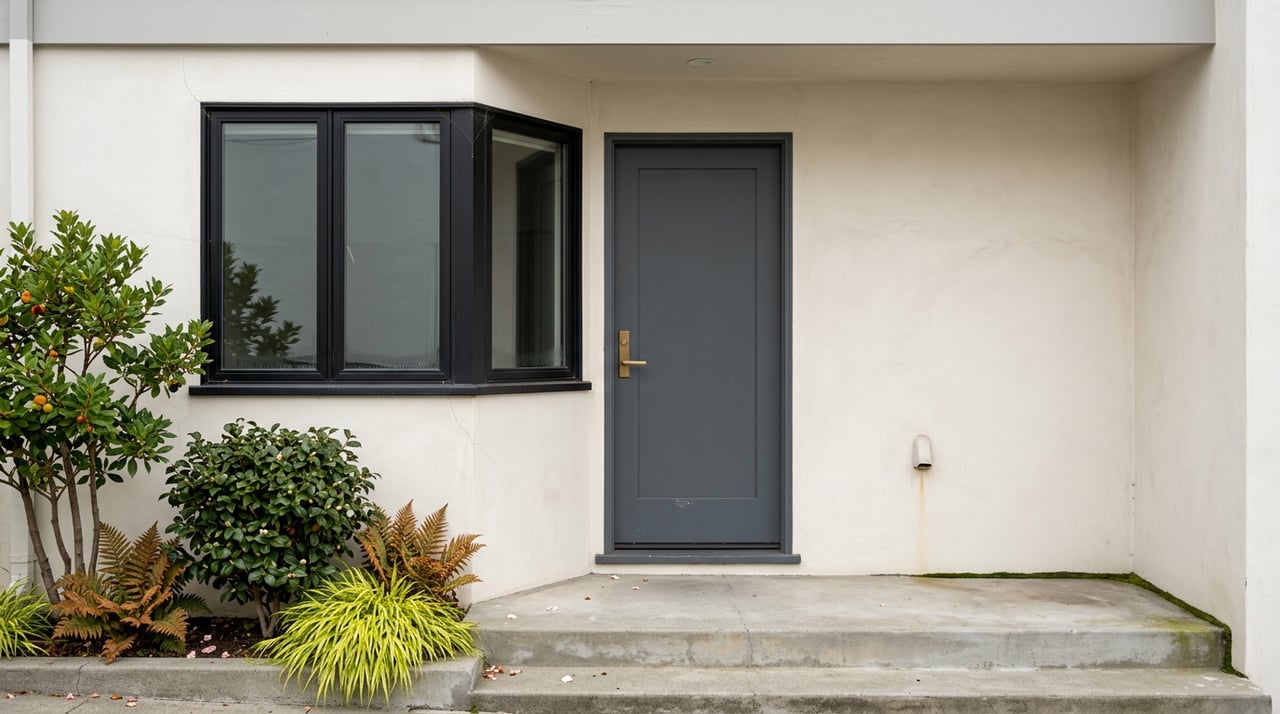
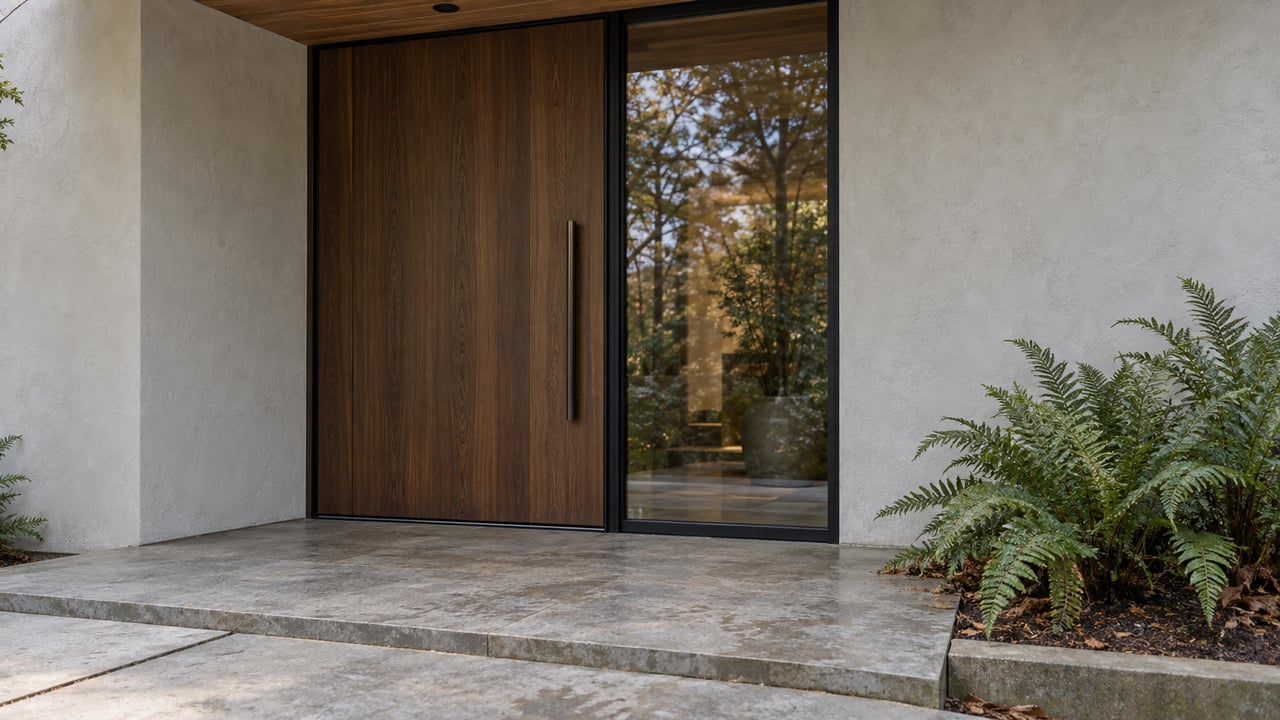
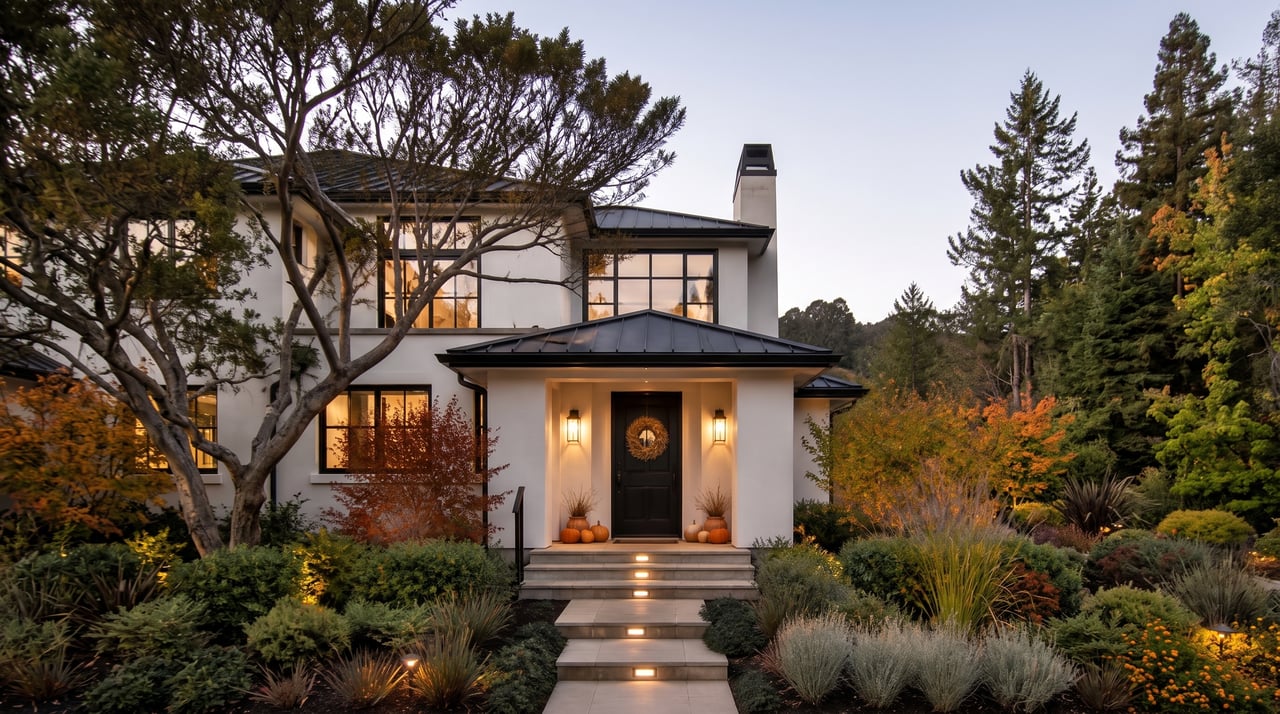
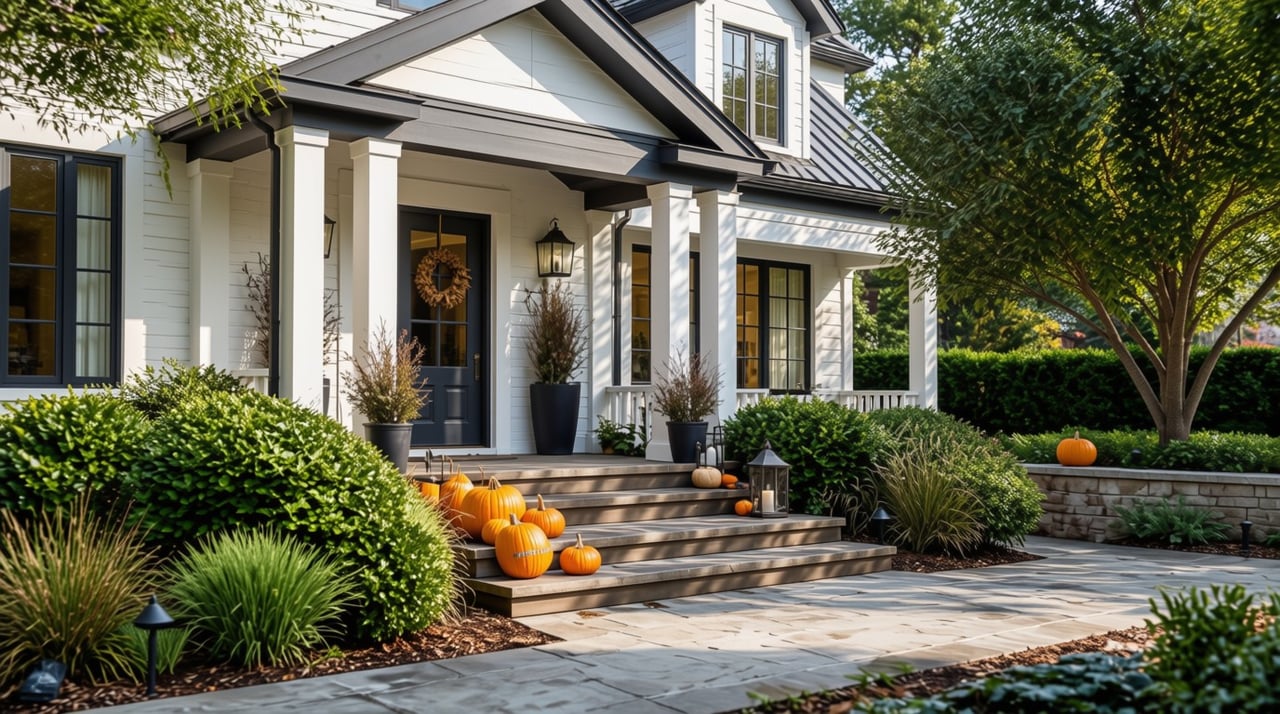
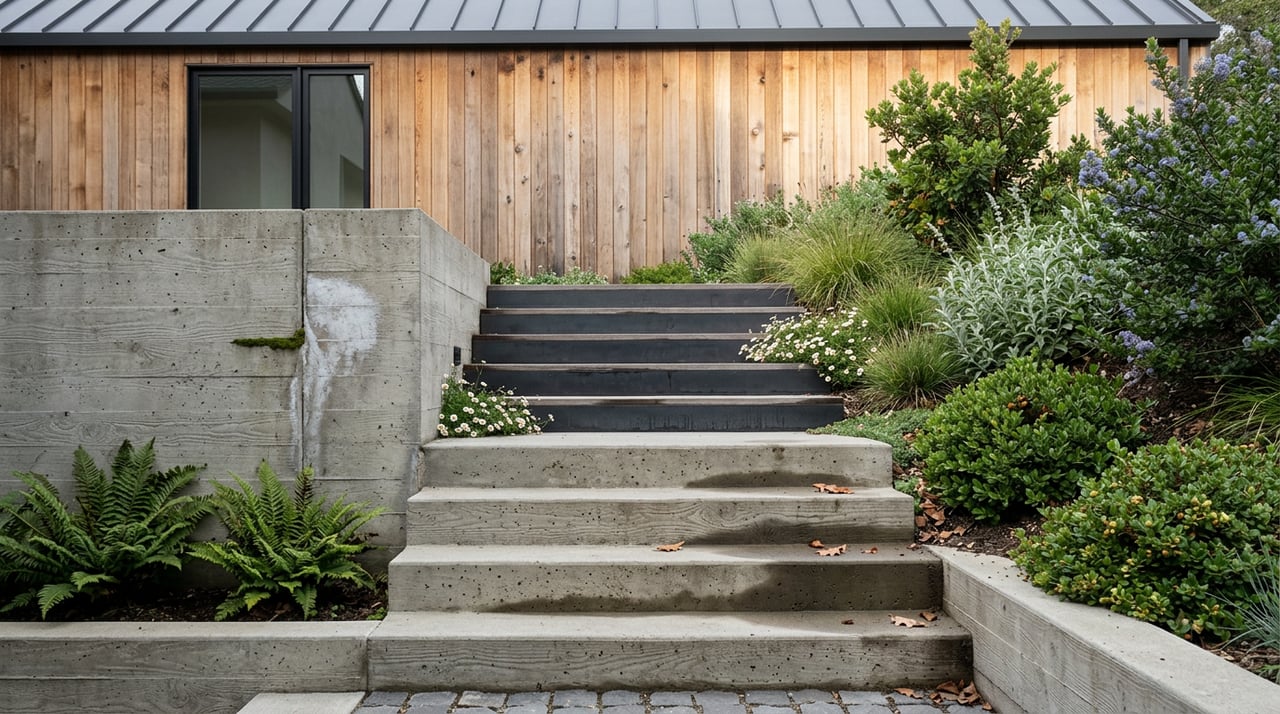
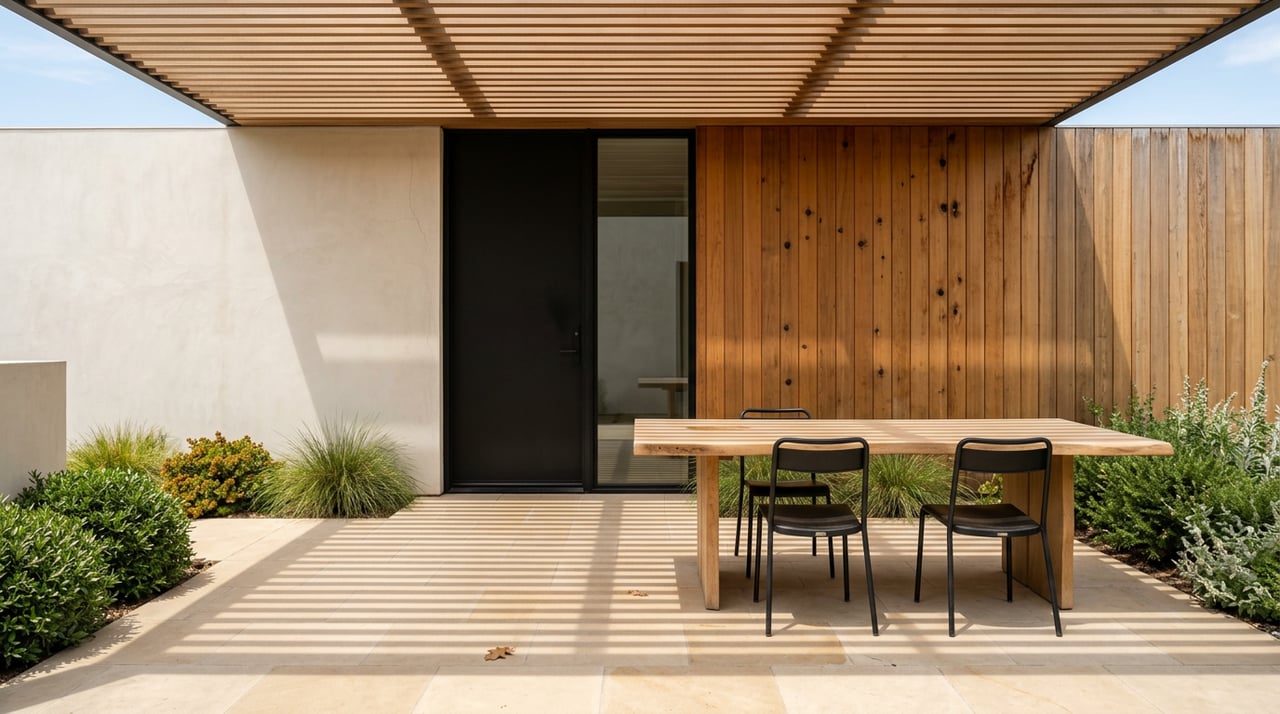
Start with the free five-foot sweep: move firewood, bins, door mats, and stored items away from exterior walls, and clear leaves from roofs and gutters.
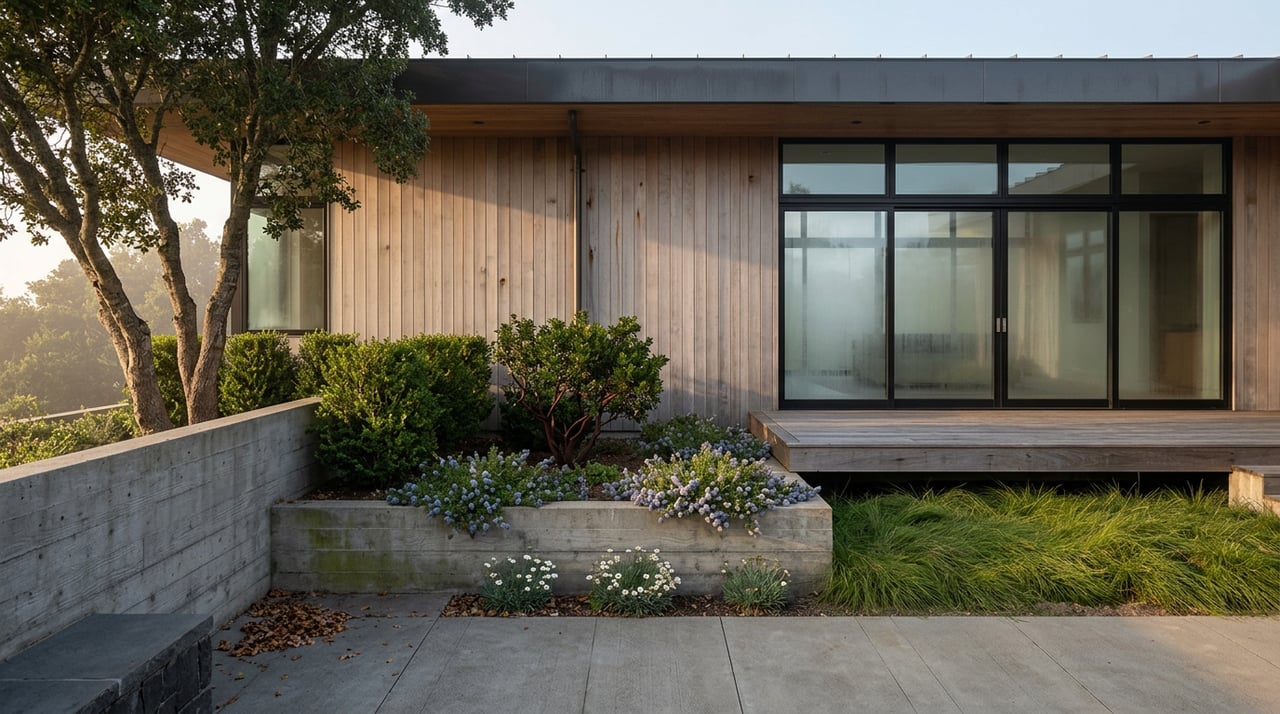
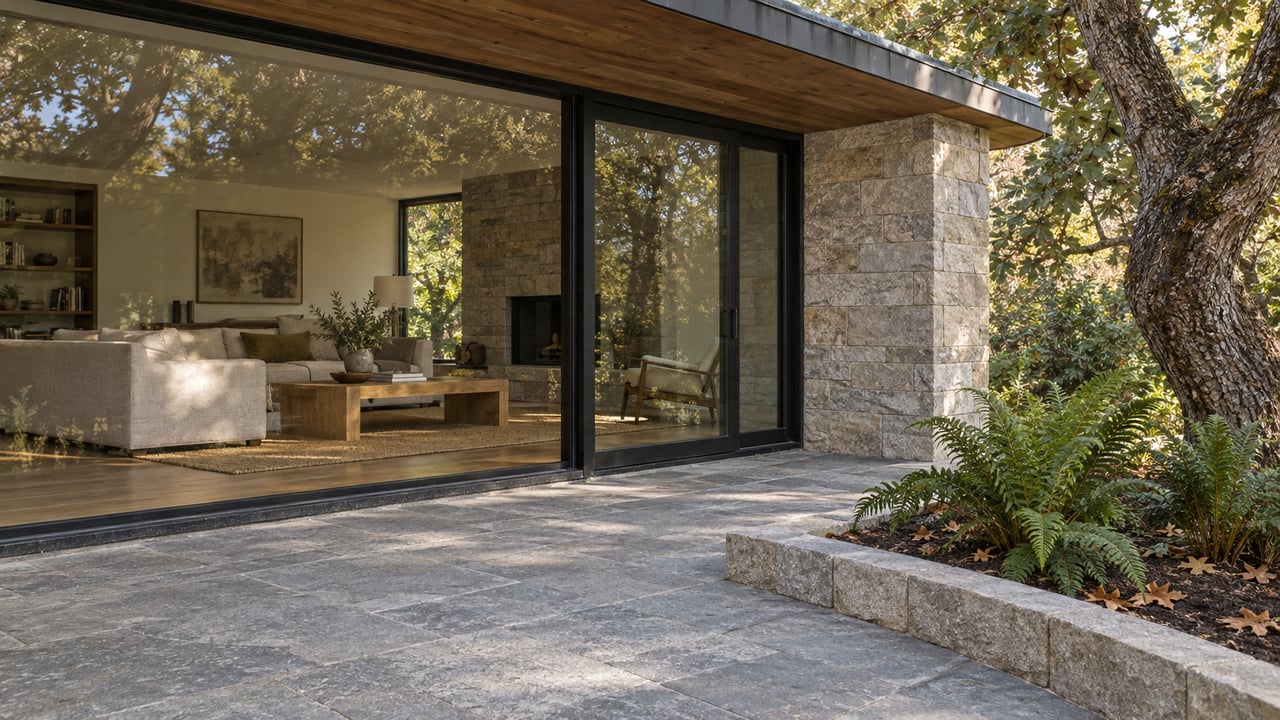
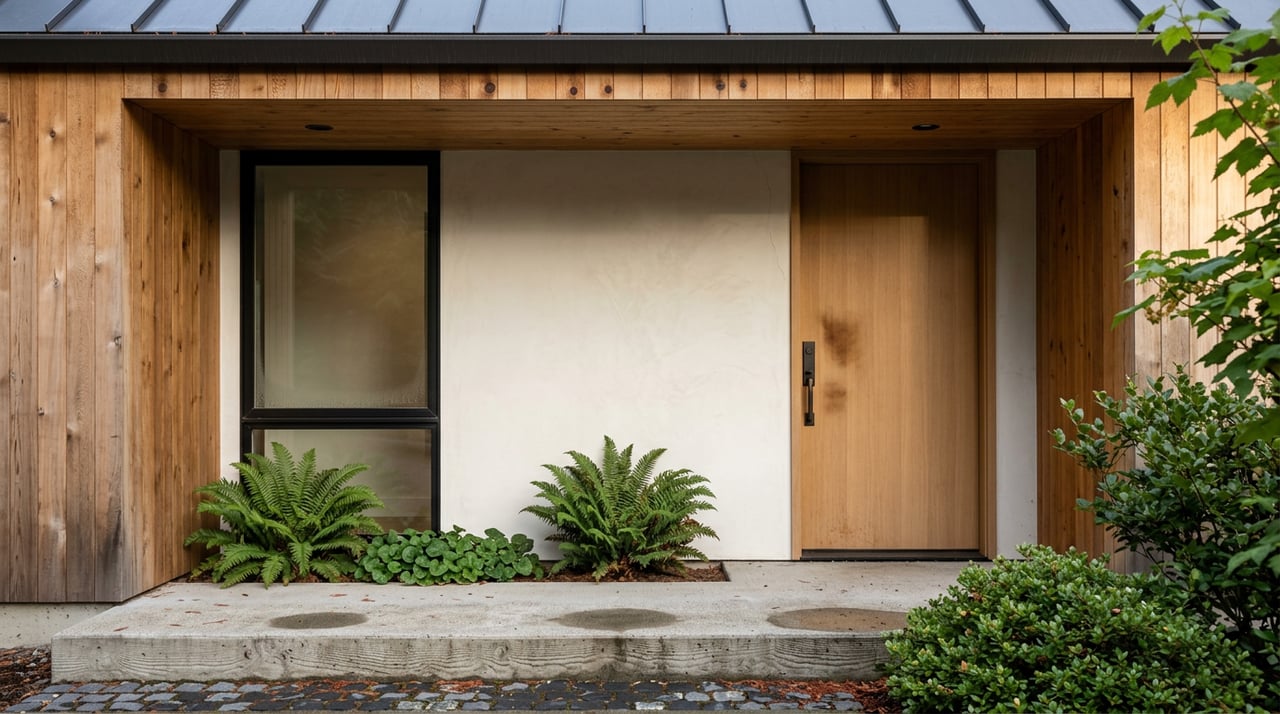
Rethink the strip against the house, favoring gravel or hardscape over bark mulch.
Note any combustible fence or gate attached to the home as a future project.
Keep photos and receipts of the work for your insurer and any eventual buyer.
Confirm your parcel’s fire-hazard designation and watch for the official effective date.
If you’re weighing a move in the next year or two, these are also the details that shape value and smooth an escrow. The natural starting point is an accurate read on what your home is worth today, which is exactly what our Home Valuation is built to give you.
Looking Ahead: The First Five Feet Is Worth It Either Way
Zone 0 isn’t law yet, and the timeline could still shift. But the work it points to is low-cost, high-impact, and sensible whether you’re staying put or planning to sell. The first five feet is where embers collect, and it’s also where a modest weekend effort can protect a home’s safety, value, and insurability all at once. Getting ahead of it now simply means you’ll never be caught scrambling against a deadline later.
Know Where You Stand — Before Any Deadline Does
Zone 0 isn't law yet, but clearing the first five feet is worth it either way. And if a move is anywhere on your horizon, it helps to know exactly what that work is protecting. The natural starting point is a clear, current read on your home's value.
Get your free Home Valuation →
Frequently Asked Questions
Is Zone 0 the law in California right now?
Not yet. The Board of Forestry adopted the regulation on August 19, 2026, but withdrew it from final review on September 8 to make technical edits. It is not in effect, and no effective date has been set.
What exactly is Zone 0?
It’s the ember-resistant zone within five feet of a home or structure, the innermost of California’s three defensible-space zones, which together extend 100 feet from the house.
Who would the rule apply to?
Properties in State Responsibility Areas and in Very High Fire Hazard Severity Zones within city and county jurisdictions. New construction would comply on the effective date; existing homes would phase in over about five years.
What would I need to do first?
The earliest steps are the simplest: keep roofs and gutters clear, handle basic tree maintenance, and begin removing combustibles, firewood, stored items, dead vegetation, and wood mulch, from the five-foot band.
Could Zone 0 work lower my insurance costs?
It can help. Many of these measures feed into the state’s “Safer from Wildfires” discount framework, and some insurers already offer credits for home-hardening. Check with your carrier about what qualifies.
When could it take effect?
No date is confirmed. The Board is expected to resubmit the rule this fall, and officials have estimated it could take effect as soon as late November or early December 2026, but that remains an estimate.
Disclaimer: This article is for general information and isn’t legal, insurance, or fire-safety advice. Rules and timelines can change; confirm current requirements with CAL FIRE, your local fire authority, and your insurer.
Sources: California Wildfire & Forest Resilience Task Force (wildfiretaskforce.org); California Board of Forestry and Fire Protection / CAL FIRE Defensible Space (fire.ca.gov); Mountain Democrat (mtdemocrat.com); Best Best & Krieger LLP (bbklaw.com); California Department of Insurance, Safer from Wildfires (insurance.ca.gov)