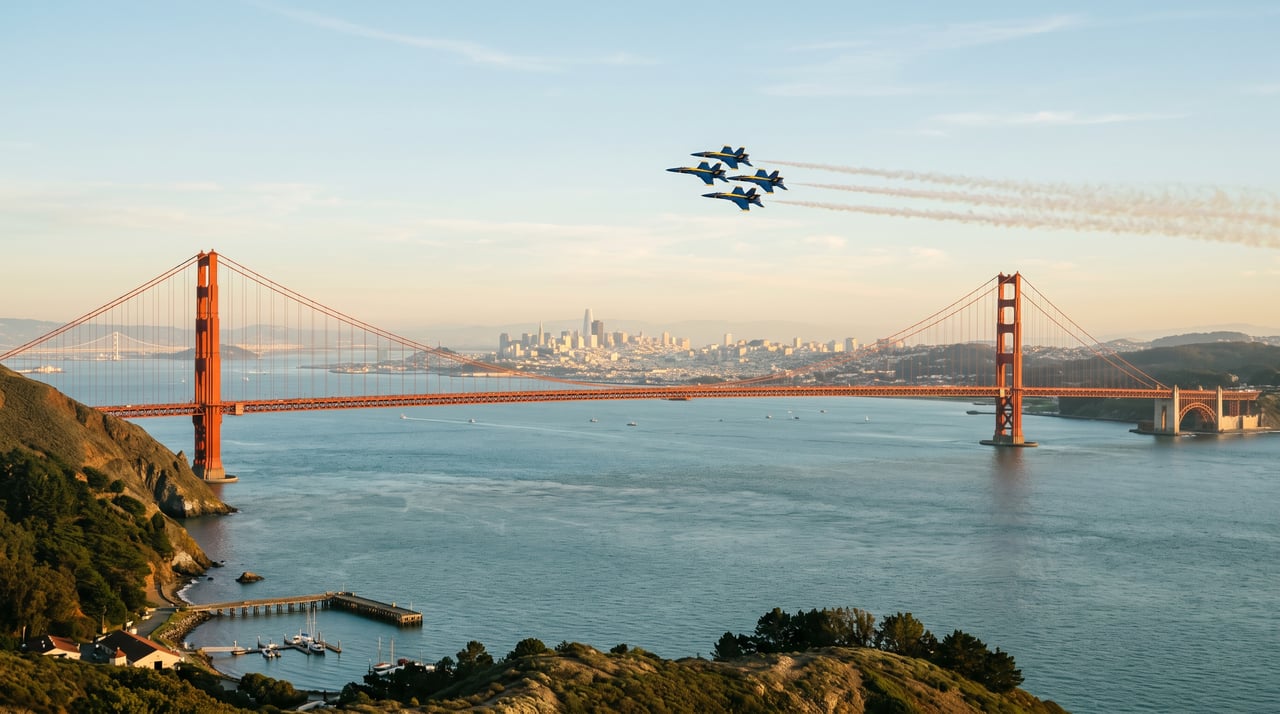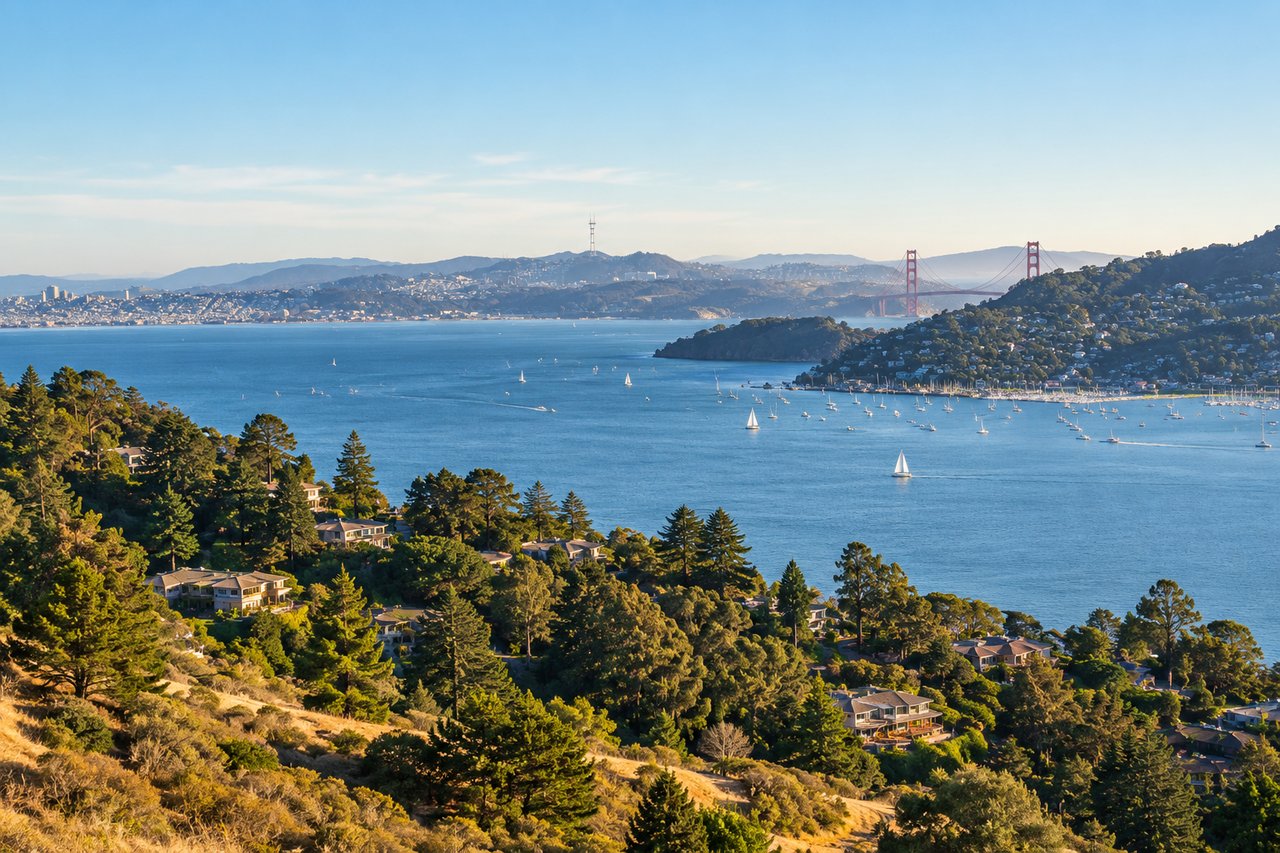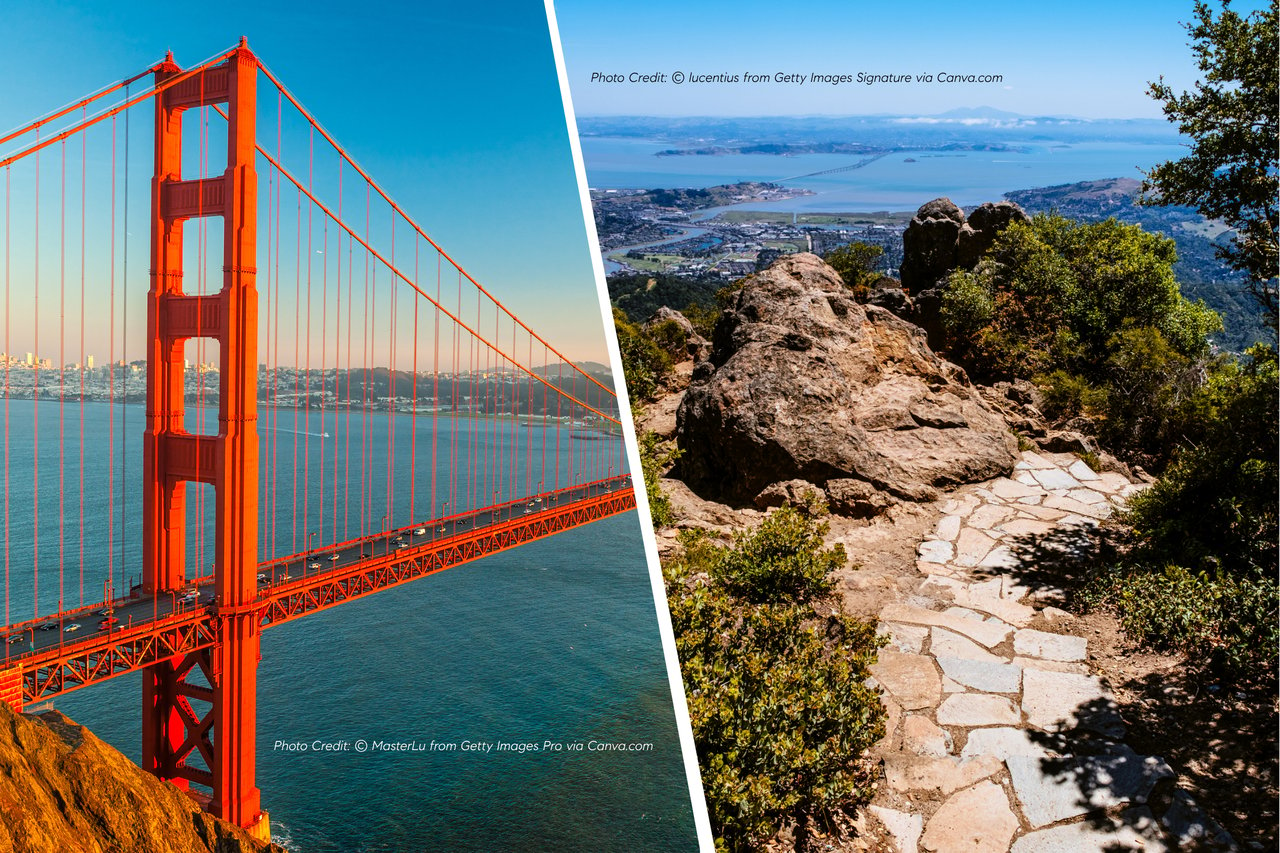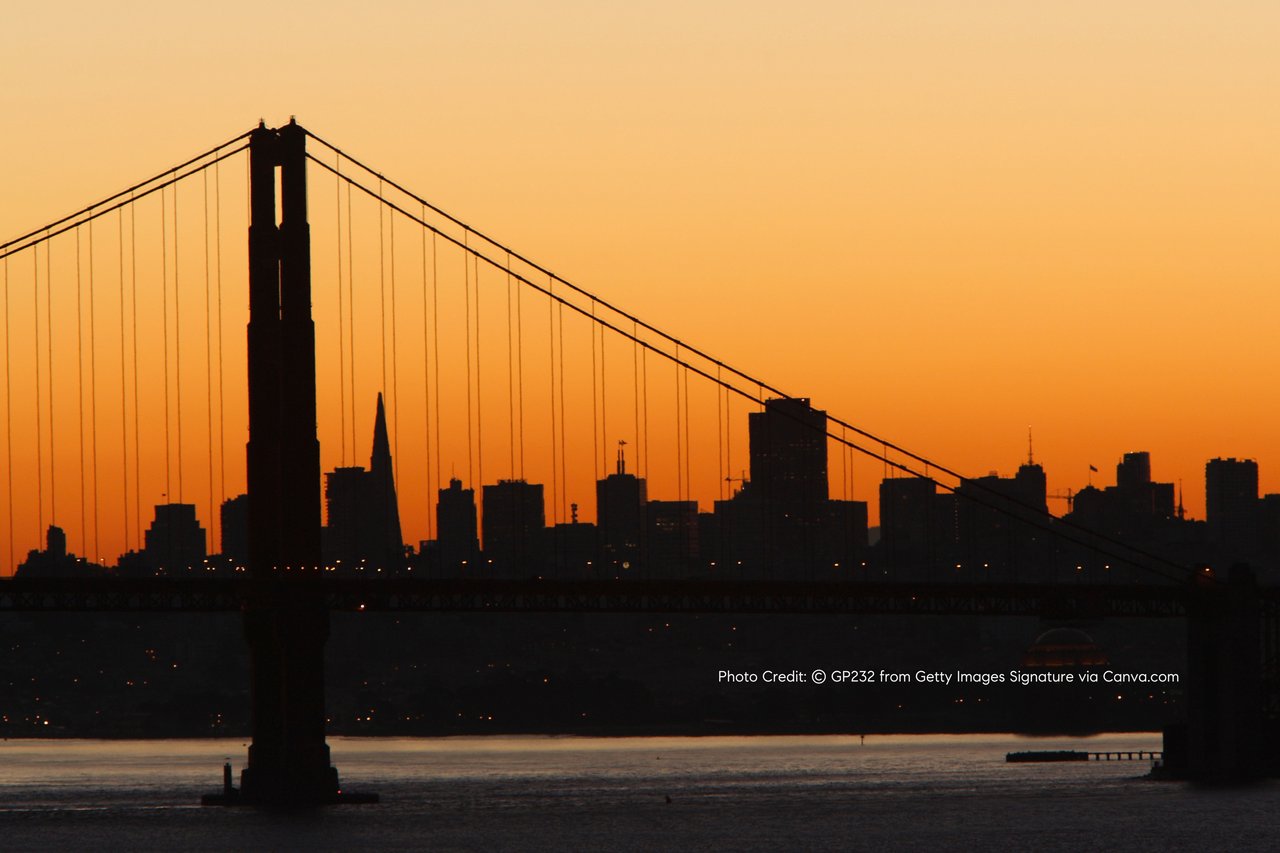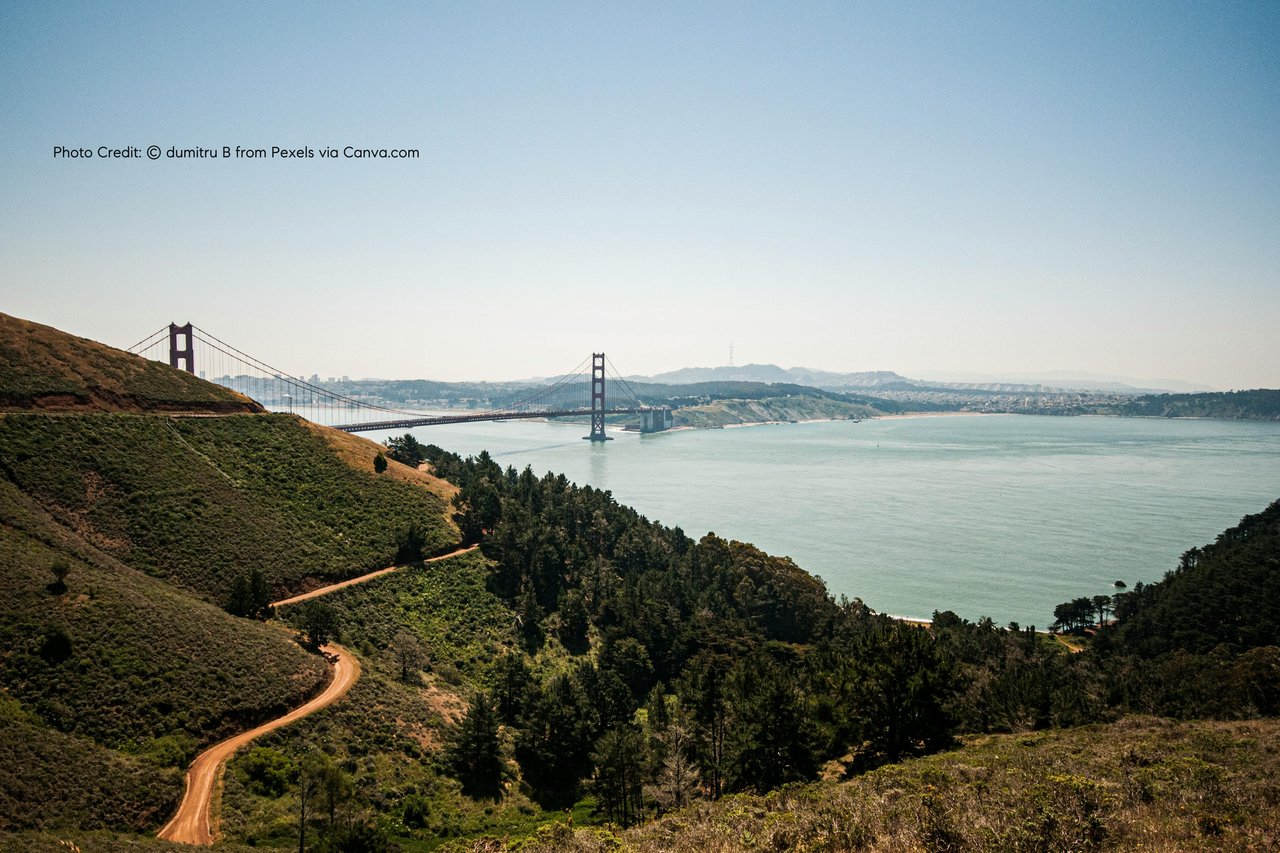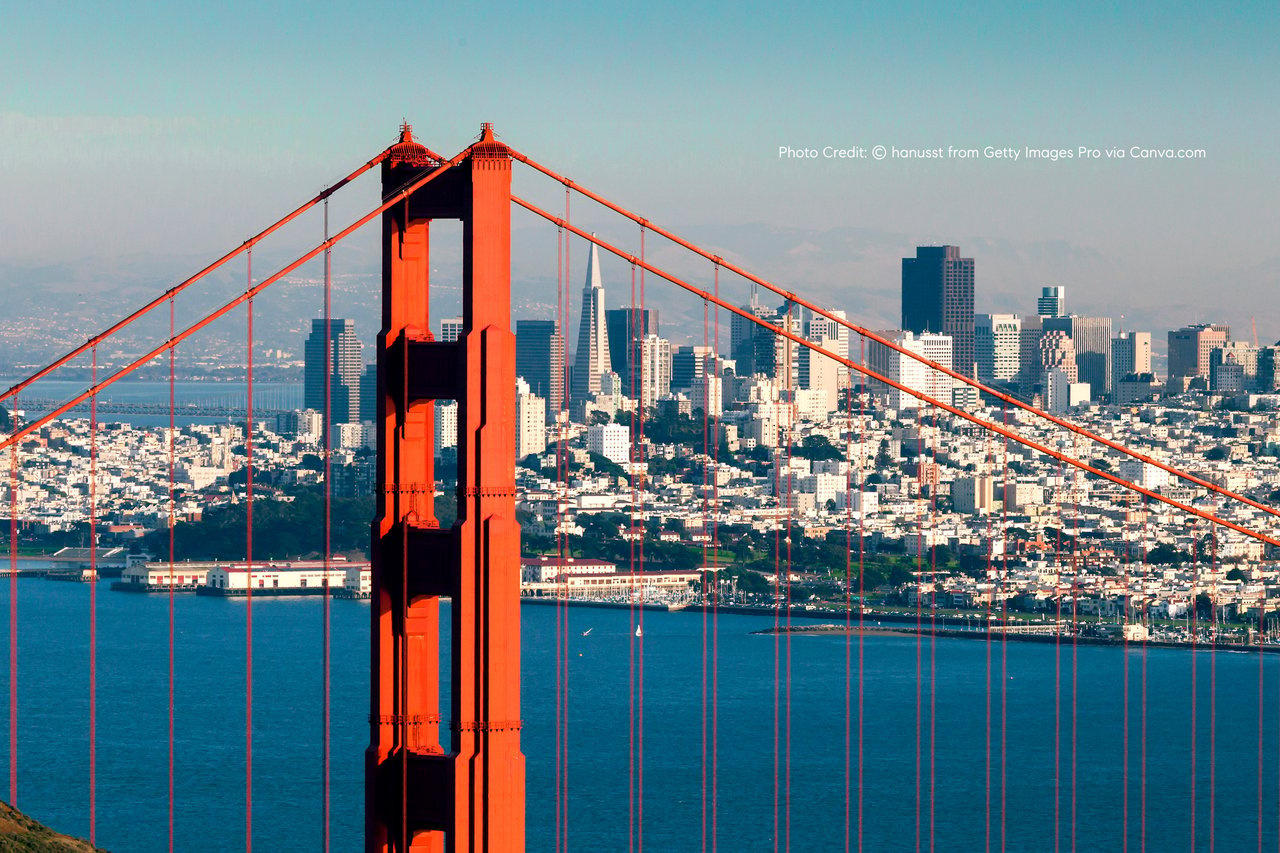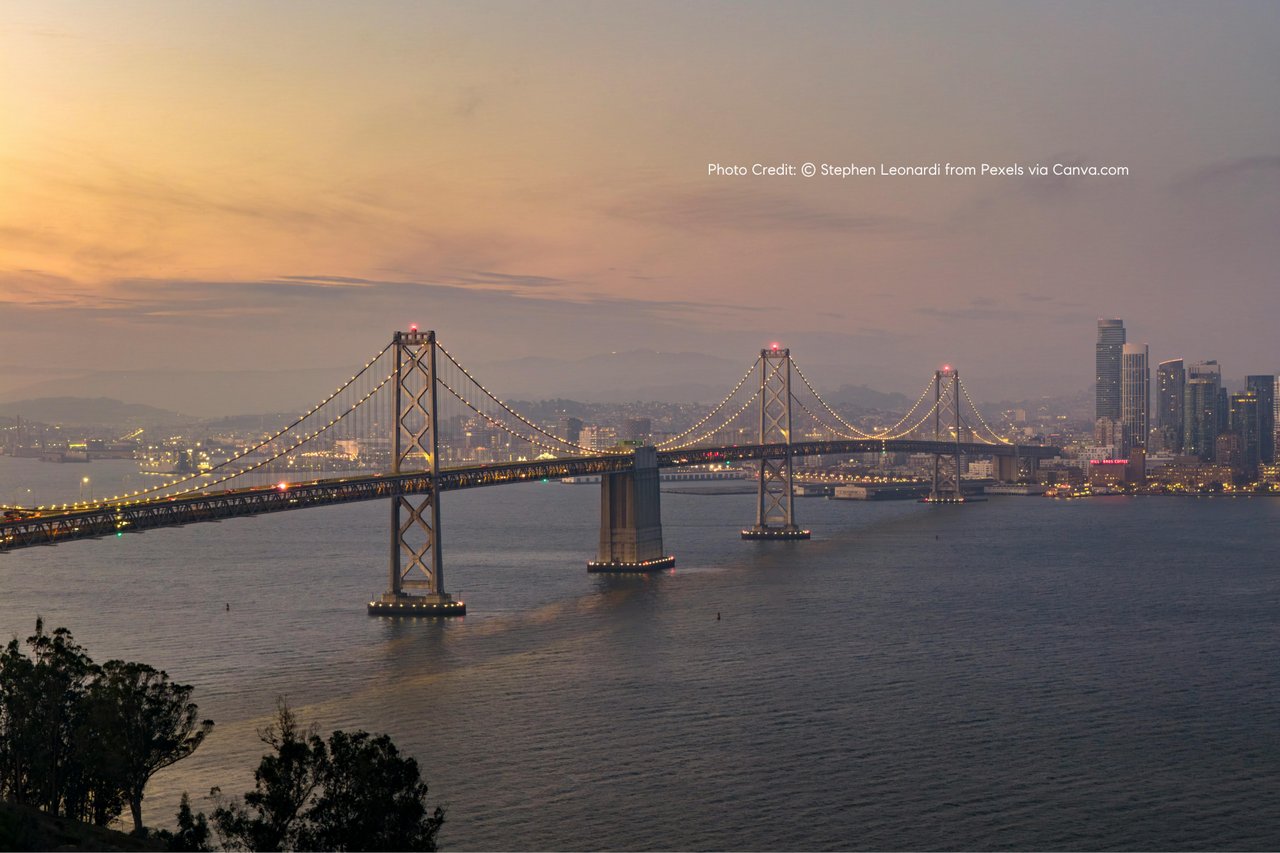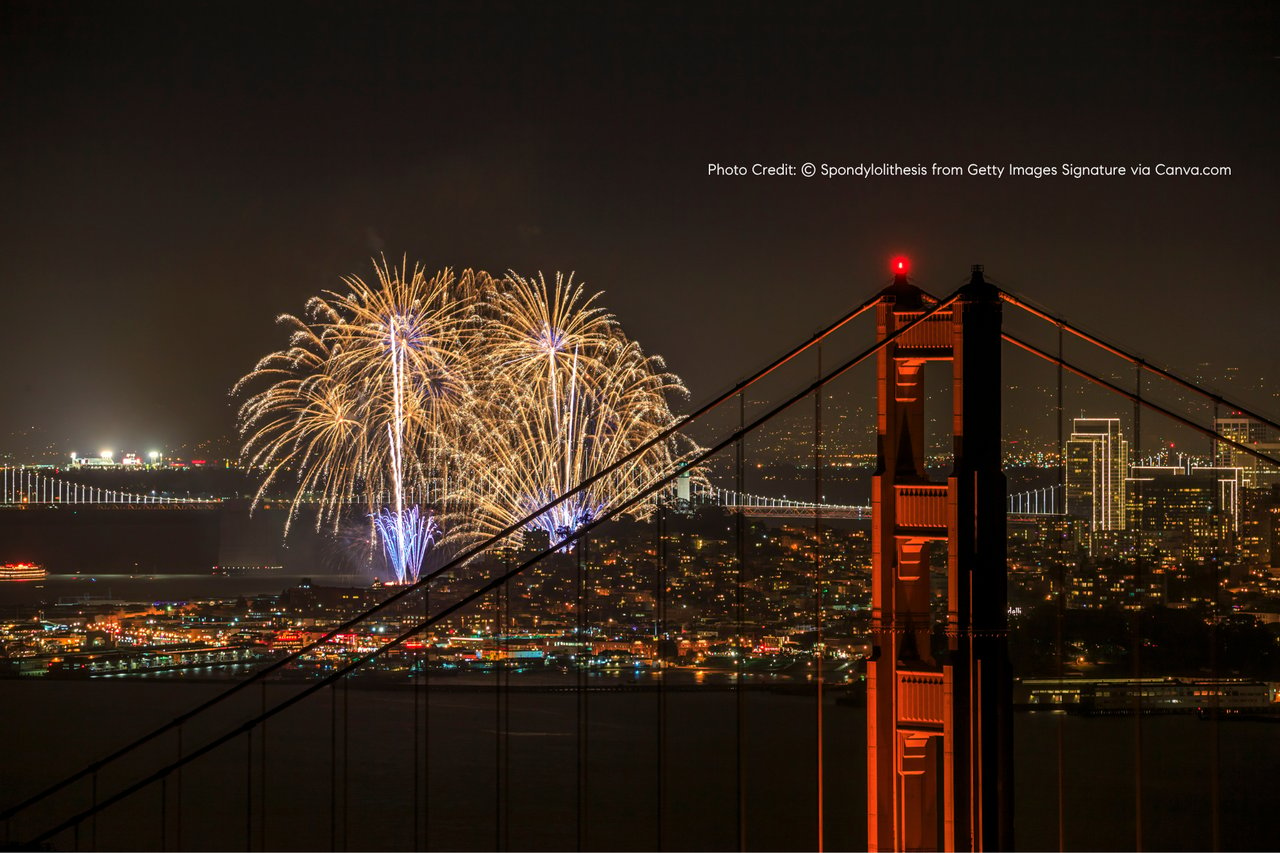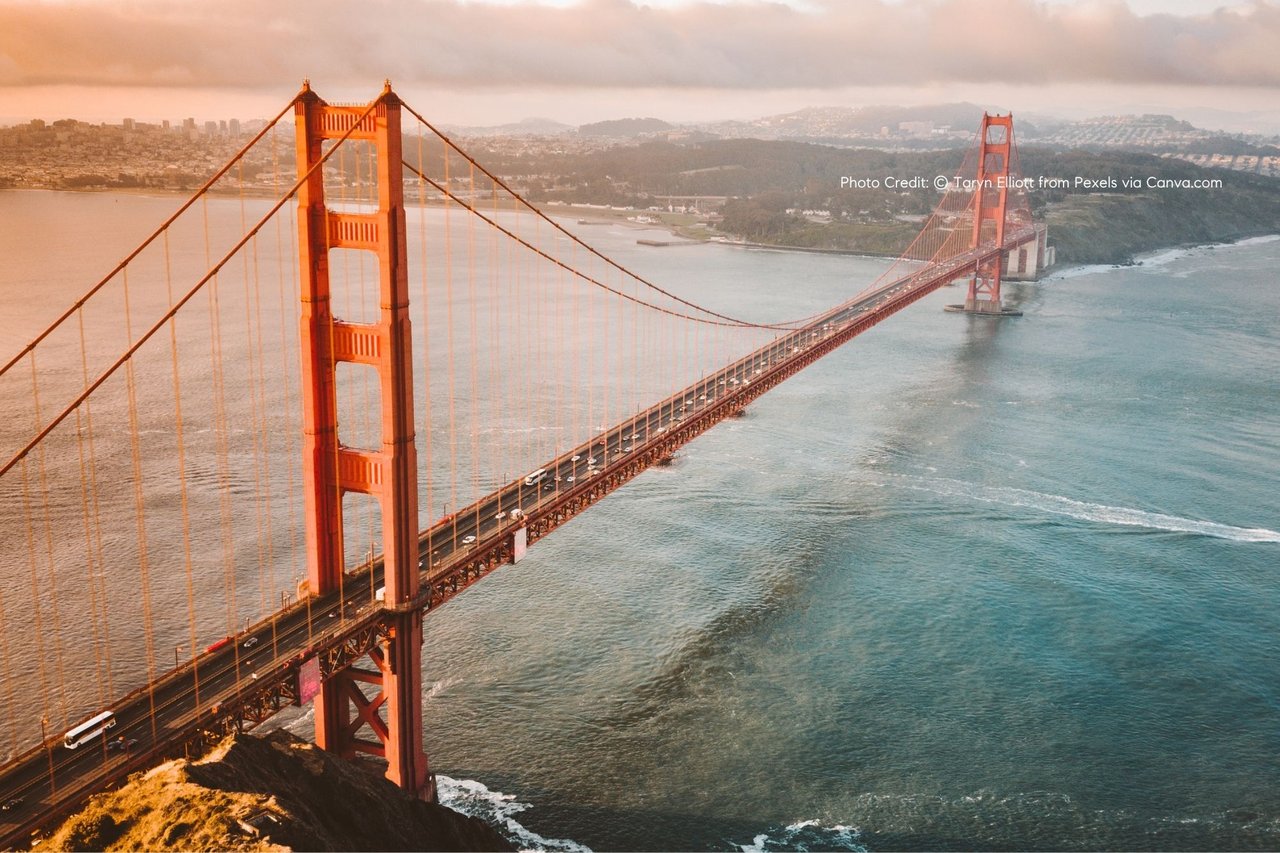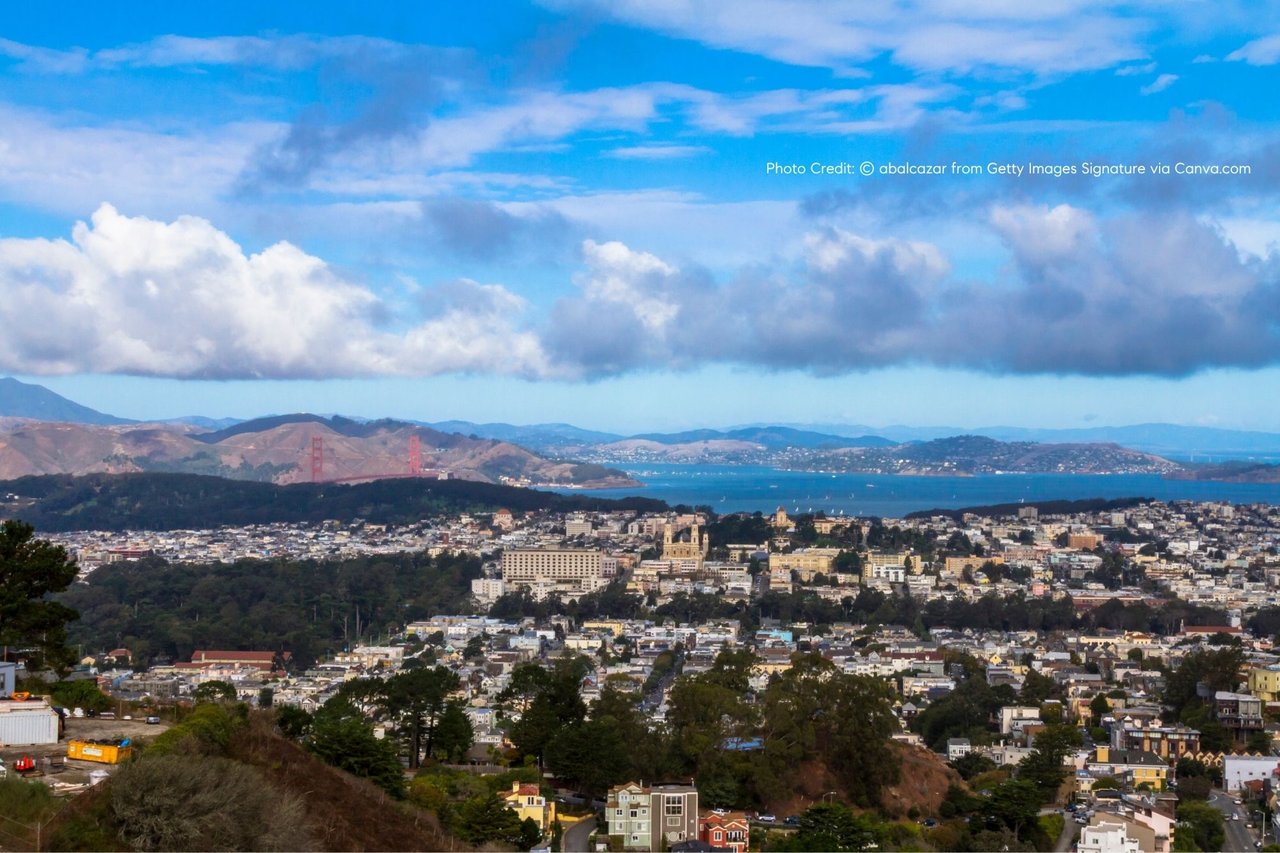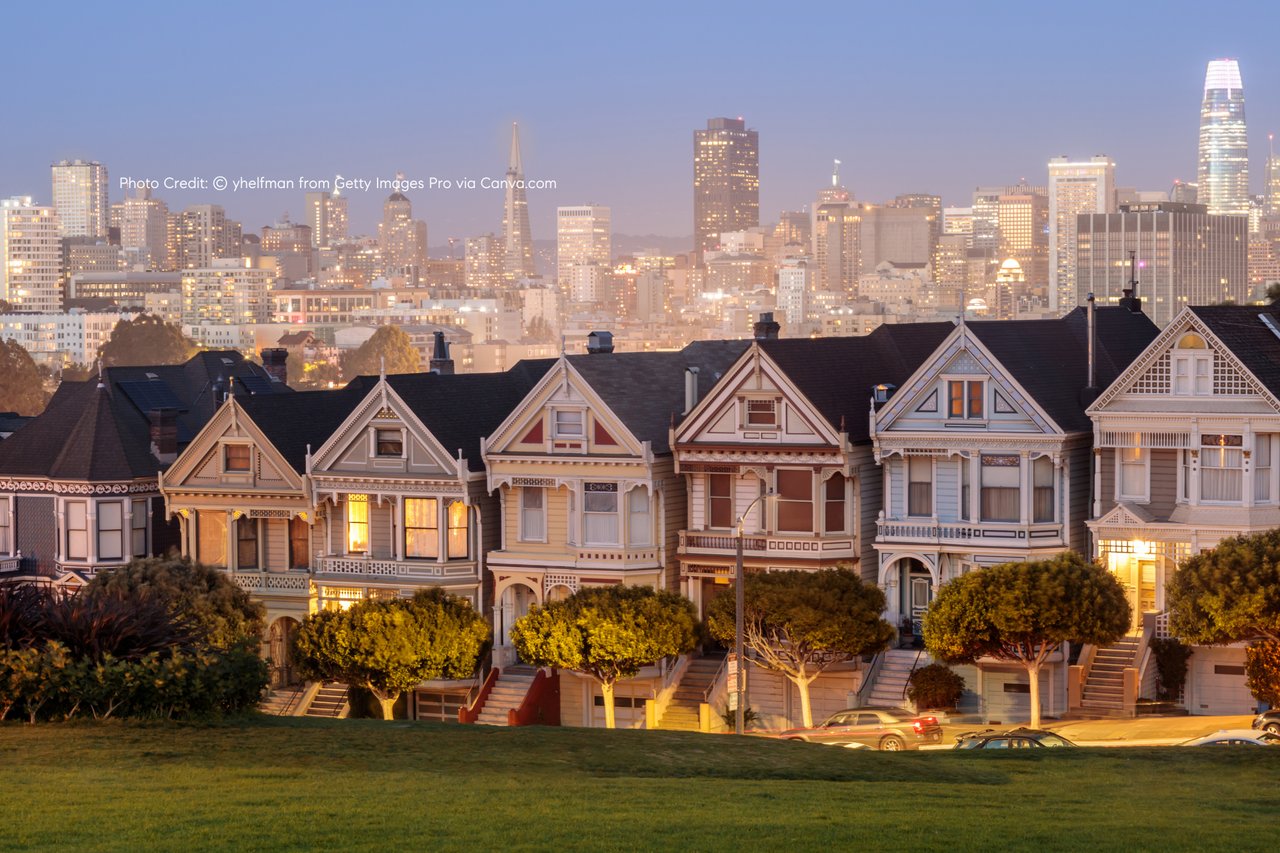
A number shapes Bay Area home values that rarely makes it onto a listing sheet. It isn't price per square foot, and it isn't the school rating. It's what it costs — in dollars, in minutes, in patience — to get across the Golden Gate Bridge on a Tuesday morning.
For a stretch of the remote-work years, that number stopped mattering. It's back now, and it's climbing. As we head into fall 2026 — with the toll past ten dollars and companies pulling people back downtown — the arithmetic of the daily crossing is quietly doing what it has always done here: deciding what a neighborhood is worth.
The Toll Crossed a Line This Year
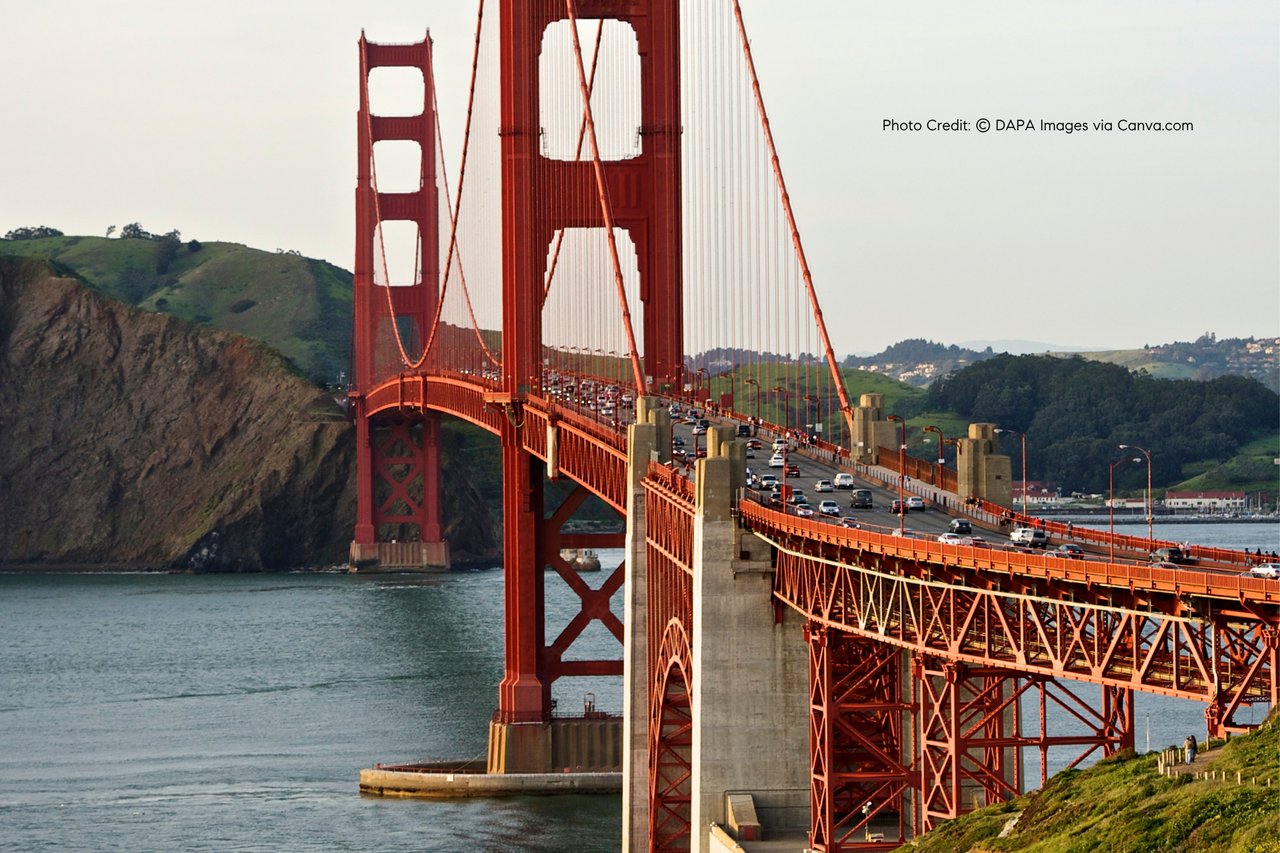
On July 1, 2026, every Golden Gate Bridge rate went up fifty cents. FasTrak drivers now pay $10.25 a crossing, pay-as-you-go is $10.50, and a mailed invoice runs $11.25. The bridge only charges you heading south into the city, so a five-day-a-week driver is looking at a little over $50 a week — call it $2,600 a year — in tolls alone, before a drop of gas or a dollar of parking.
And this isn't a one-off. The increase is one step in a five-year schedule the bridge district's board locked in back in March 2024. The state-owned bridges are marching to the same drum: tolls on all seven rose fifty cents on January 1, 2026, the first of five yearly bumps that run through 2030. Whatever the crossing costs today, it costs more next year. That's a known quantity now — and buyers have started to price it in.
Offices Filled Back Up, and Geometry Came With Them
The reason any of this matters again is simple: people have to show up. The hybrid-work argument has mostly settled around three or four in-office days at the big Bay Area employers, and the effect on housing is real. Commute geometry is back.
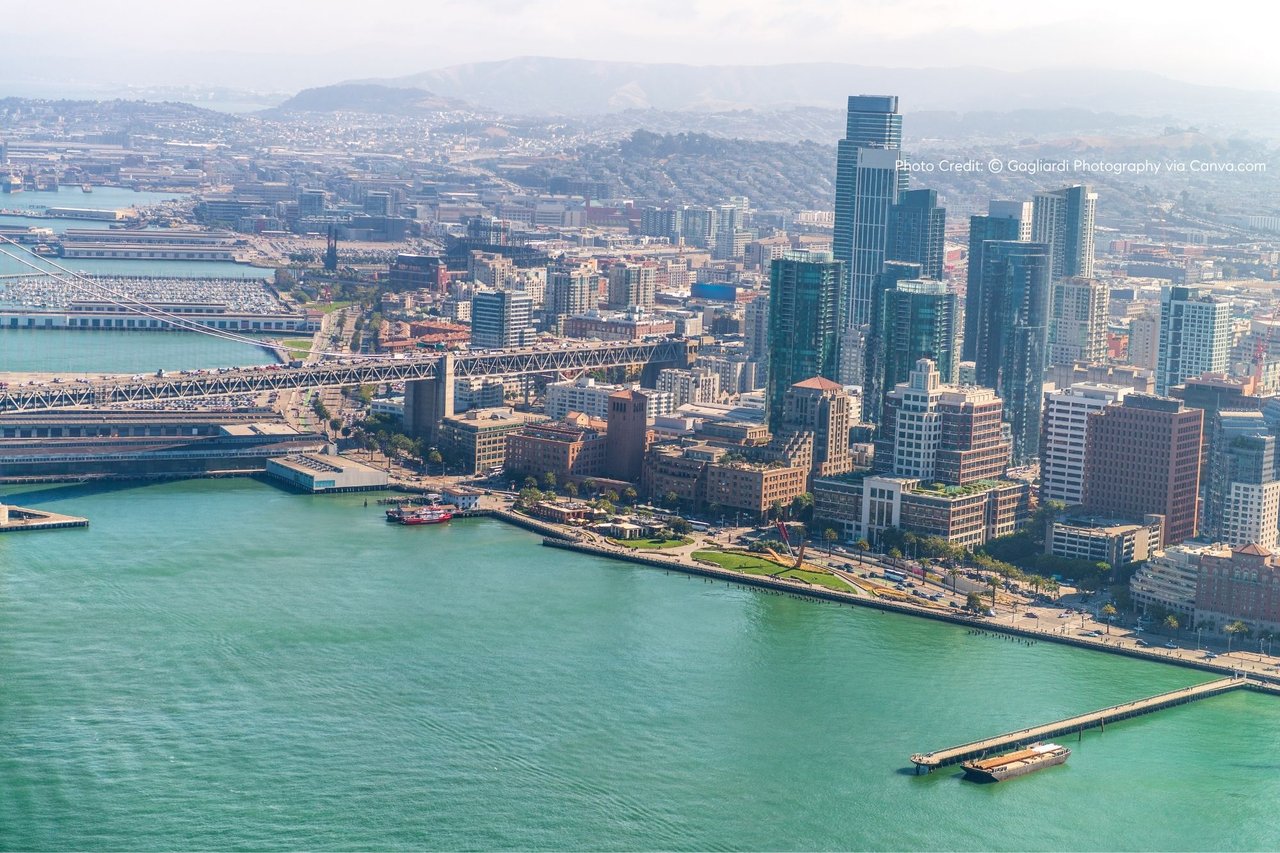
You can see the pull in the numbers. San Francisco closed 2025 with a record 8 million square feet of office demand, and 2026 leasing is running even hotter, driven by AI companies filling downtown trophy towers. Every one of those desks is a person deciding how far they'll travel to sit at it — and the neighborhoods with quick, reliable trips to the Financial District and SoMa are the ones commanding the strongest premiums and selling the fastest.
The Same Toll Pushes Buyers Two Directions
Here's the part that catches sellers off guard. A rising cost of crossing doesn't move the market one way — it splits it.
Some buyers respond by pulling toward the city: give up the yard, take the smaller footprint, shave the commute down to a walk or a short Muni ride. Others — usually families who want the space and the schools — decide the crossing is worth it and push north into Marin. San Francisco's bidding-war energy has already spilled over the bridge, and Marin, which no one has ever called cheap, is taking on its share of priced-out city buyers looking north.
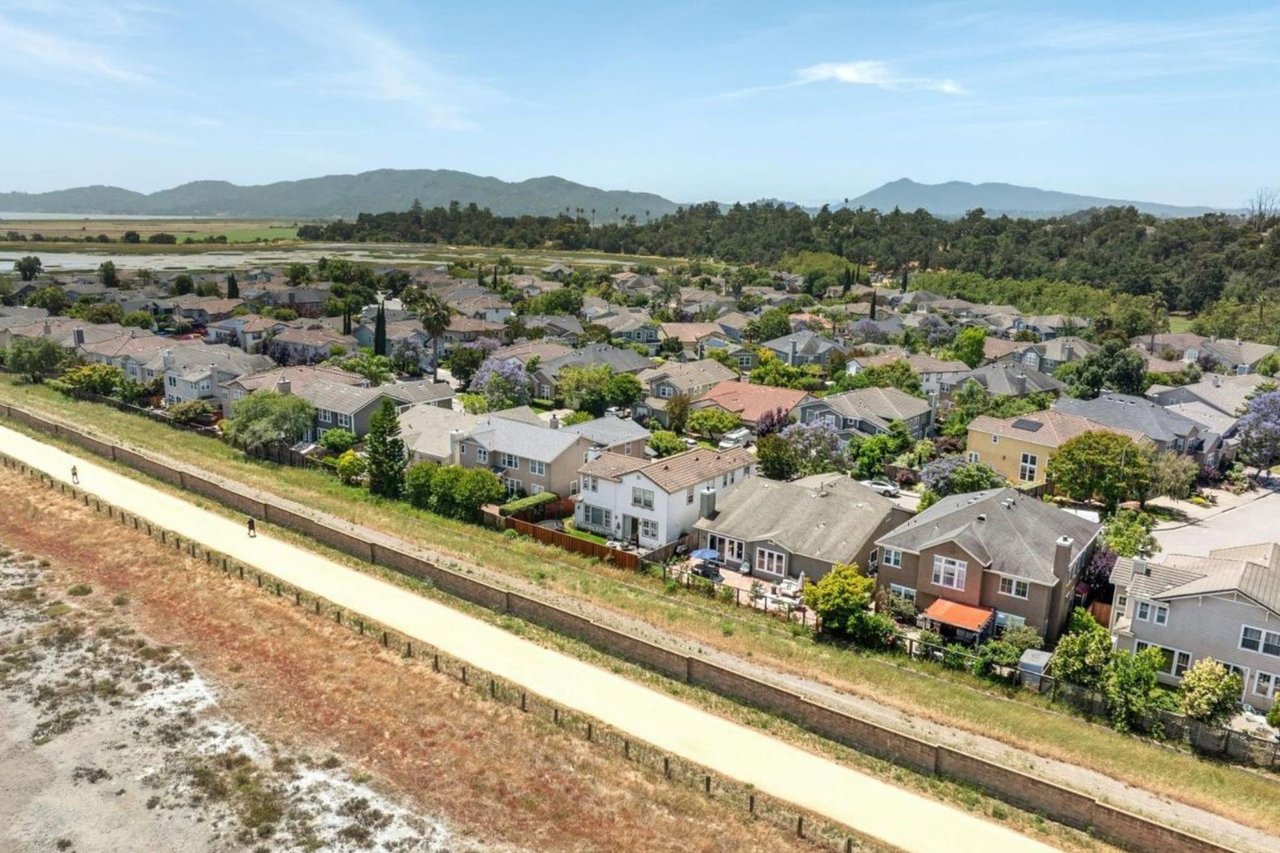
Both groups have one thing in common: they've stopped treating transit as a footnote. And in Marin, the map makes the point better than any argument. The countywide median sits around $1.6 million as of mid-2026. Still, that figure hides enormous spread — the Southern Marin towns closest to the ferry, like Mill Valley and Tiburon, run well above it, while Novato, a solid half-hour further from the water, sits closer to $1.3 million. Much of that gap is house, lot, schools, and view. But part of it is simply proximity to a fast, predictable way into the city — and in a return-to-office market, that proximity is worth more than it was three years ago.
That's the quiet logic buyers are running. A home a five-minute drive from the Larkspur ferry is a genuinely different product than an identical one fifteen minutes deeper into Ross Valley. The Larkspur boat reaches the Ferry Building in about 30 to 35 minutes — often faster than white-knuckling the bridge at rush hour — and hands you that time back to work or just breathe. At roughly $9.50 one-way on a Clipper card, plenty of Marin commuters have done the math and decided the water beats the freeway. That decision shows up in what they'll pay for the right address.
The Marks Realty Group Take
We watch this play out at the kitchen table more than anywhere else. Buyers fall for the house first and run the commute second — and the second number is usually the one that decides it. A family will lose their heart to a place in Novato or out toward Petaluma, then sit down with the tolls, a ferry pass, and three mornings a week downtown, and suddenly that extra twenty minutes reads very differently than it did in the photos.
So we tell buyers the same thing every time: price the commute before you price the house. Tolls, transit, parking, and an honest count of your office days — add it up, run it over a year, and set it right beside the mortgage where it belongs. For a North Bay household, the difference between a ferry-close home and one half an hour further out can be worth real money and real hours, every single week.
Sellers, flip that around. If your home has a commute story, tell it up front. Walkable to the ferry, minutes from the SMART platform, an easy shot to the 101 carpool lane — in this market that's not a line buried at the bottom of the remarks. It's a headline. It shortens your days on market, and it holds your price.
Reading the Rest of 2026
A few things worth watching this fall if you want to see where the pressure goes next:
The toll calendar. Increases are baked in every year through 2030, so each January and July nudges the cost of crossing a little higher.
How hard the mandates land. The more days employers require downtown, the more weight shifts onto transit-rich pockets on both sides of the bridge.
Ferry headroom. Golden Gate Ferry ridership out of Larkspur and Tiburon still sits near 68% of where it was before the pandemic — meaning there's slack in the system, and homes near a terminal look like a smart long-term bet as the boats fill back in.
The Bottom Line
The toll is one of the smallest checks you'll write in a Bay Area move, and one of the most honest. It quietly answers the question underneath every home search: what is my time, and my daily crossing, actually worth to me? As the number climbs and the offices refill, that answer is redrawing value across San Francisco and Marin, one commute at a time.
Whether you're eyeing a place closer to the desk or a home across the water with room to stretch out, knowing the true price of the crossing is one of the smartest moves you can make before you sign anything. At Marks Realty Group, we help people on both sides of the Golden Gate see the whole picture — not just the number on the sign. Reach out, and let's figure out what the right move looks like for you.
Frequently Asked Questions
What does it cost to cross the Golden Gate Bridge in 2026?
Since July 1, 2026, it's $10.25 per crossing on FasTrak, $10.50 pay-as-you-go, and $11.25 by mailed invoice. The toll is charged only southbound, into San Francisco — so a five-day commuter pays roughly $50 a week, or around $2,600 a year, in tolls before gas or parking.
Will the tolls keep going up?
Yes. This is one step in a five-year schedule the bridge district adopted in March 2024, so North Bay drivers should expect annual increases through the end of the decade. The seven state-owned Bay Area bridges follow a parallel yearly schedule through 2030.
Is the ferry actually a better deal than driving from Marin?
For many commuters, yes — on both time and money. The Larkspur ferry runs about 30 to 35 minutes to the Ferry Building, often beating the bridge at rush hour, and a one-way adult Clipper fare sits around $9.50. Add up bridge tolls plus city parking, and the boat frequently comes out ahead — which is why homes near the Larkspur terminal or a SMART station carry a real edge.
Does living near transit really lift a home's value?
More and more, yes. In a return-to-office market, homes with quick, reliable access downtown — near the ferry, the SMART train, or an express bus line — are drawing stronger premiums and shorter days on market. Transit proximity has moved from a nice detail to a genuine pricing feature, and the price spread between Southern Marin and the northern towns reflects it.
Should commute costs really be part of my home budget?
They should. Tolls, fares, parking, and the value of your own time compound year after year, and they can quietly reshape what you can actually afford across the bridge. The smart move is to annualize the real commute cost and set it next to your mortgage before you fall for a listing.
Sources: Golden Gate Bridge, Highway & Transportation District; Metropolitan Transportation Commission; Clipper / Bay Area FasTrak; Marin Independent Journal; BAREIS MLS; The Real Deal; Structure Properties; SF Standard.