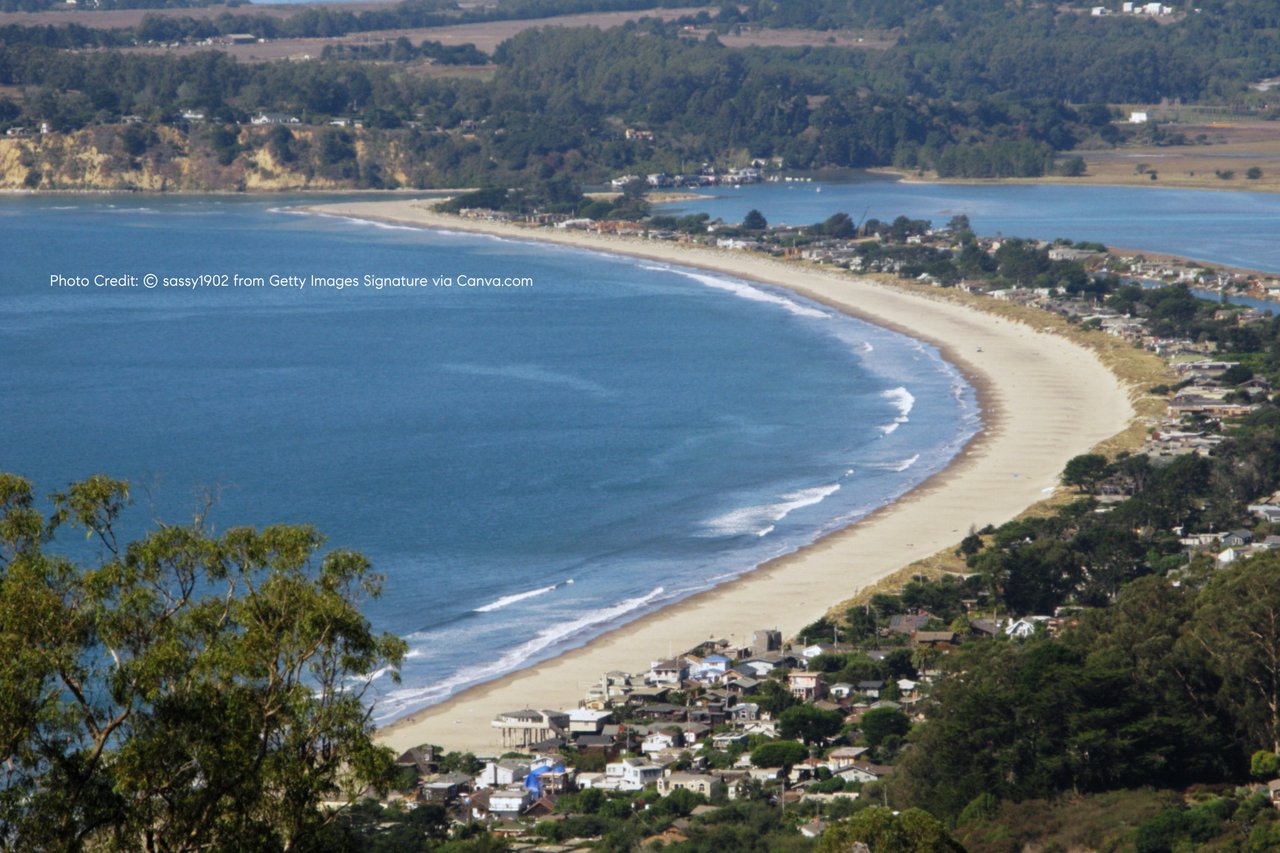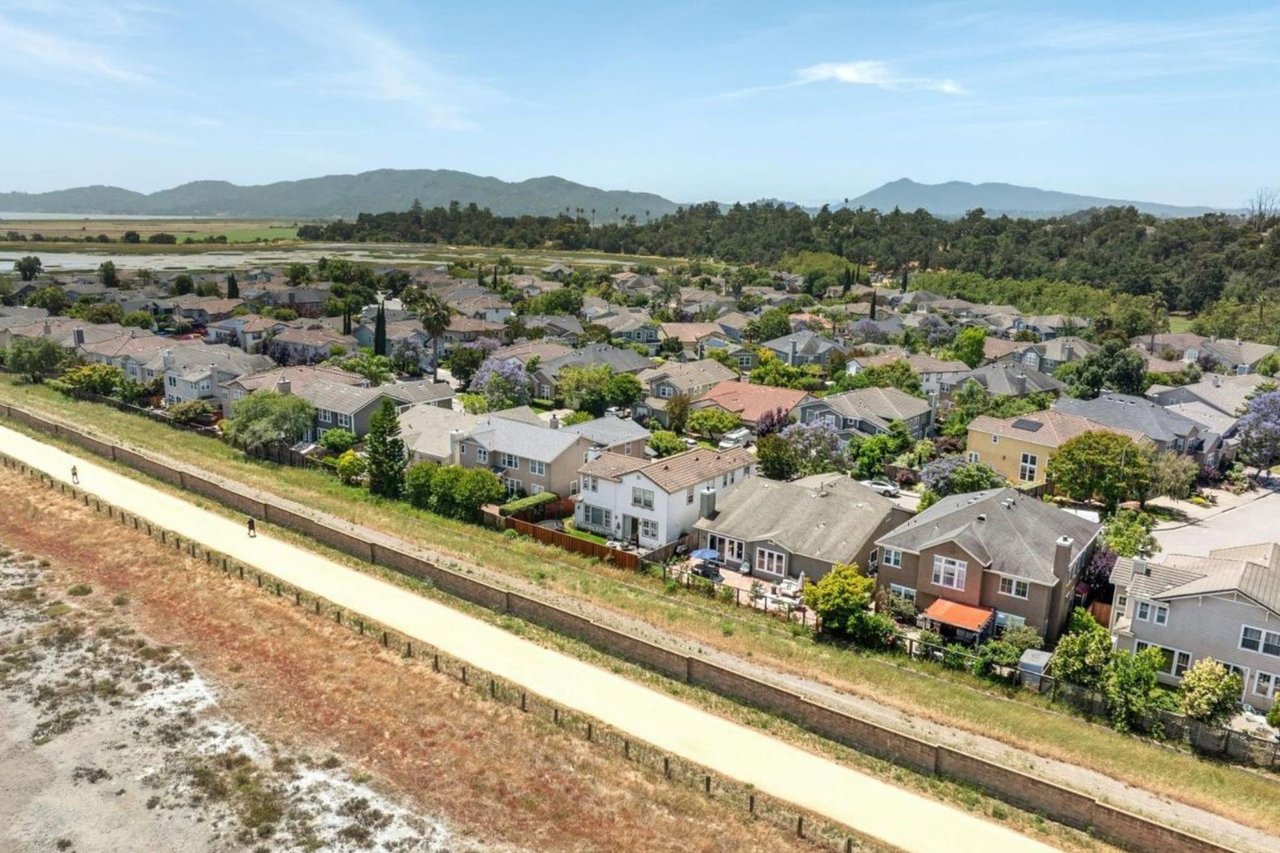
Stinson Beach draws somewhere between 600,000 and a million visitors a year, depending on which study you trust. And yet, according to the National Park Service's own estimate, the beach's parking lots only reach full capacity on about twenty days annually. That gap between how crowded the town feels in the collective imagination and how crowded it actually gets on the pavement is the whole story here. On August 13, 2026, the California Coastal Commission approved a National Park Service plan to rebuild all three of Stinson Beach's public parking lots with fewer spaces. A useful question is which days those fewer spaces will matter most, and what else is happening in town at the same time.
The Lots, Reshuffled
The approved plan doesn't just shrink parking across the board. It redistributes it, and the redistribution is lopsided in a way that matters if you know the geography. The North Lot, the one closest to the heart of downtown and the easiest walk to the shops on Highway 1, is the one taking the hit.
| Lot | Change | Detail |
|---|---|---|
| North | -80 | Drops from 170 spaces to 90 |
| Central | +25 | Entrance road also moves farther from Easkoot Creek |
| South | -15 | Gains dune habitat restoration along the shoreline |
Net across all three, the town goes from roughly 750 spaces to about 680, a loss of around 70. But the total loss is only part of the picture: the North Lot alone absorbs 80 of those lost spaces before the Central Lot's gain of 25 offsets any of it. If you've ever driven into Stinson on a warm Saturday and circled for the North Lot because it's closest to the beach access point, that's the exact spot getting cut nearly in half.
The reason isn't a parking philosophy. It's Easkoot Creek. Storms in 2018 and 2023 flooded the creek, damaged the North Lot, and forced the park service to close it for weeks at a time. The redesign pulls the flood-prone edge of that lot back from the shoreline and restores dune, floodplain, and riparian habitat in its place, along with a new overflow channel that will carry high water through a picnic area to an existing beach outfall during heavy rain. The Central Lot's entrance road is also being moved farther from the creek, and curbing and sidewalks across the site will be brought up to current Americans with Disabilities Act standards.
Twenty Days, Not Every Day
Here's the detail that changes how you should think about all of this. The park service's own capacity data says these lots only fill up around twenty days a year. For the other 345, the redesign is close to invisible: a slightly smaller North Lot, a slightly larger Central Lot, better drainage, new curbs. The actual friction lands on holiday weekends, the hottest days of July and August, and the handful of Saturdays when half of the Bay Area decides to drive Highway 1 at once. If you live here, you already know which days those are without needing a park service study to tell you.
The park service isn't ignoring that. The plan adds 20 new bicycle parking spaces, better pedestrian paths, and a commitment to coordinate with Marin Transit on a bus route between Sausalito and Bolinas aimed at easing congestion on the busiest days. The agency will also report parking demand and transit progress to the Coastal Commission every year, which at least means the twenty-day problem is being tracked rather than assumed away.
The San Francisco Chronicle reported that Isabel Dawson, a policy associate with the Environmental Action Committee of West Marin, put the tradeoff plainly to commissioners before the vote. Fewer spaces, she said, present a real challenge on the days when lot capacity is reached, because cars
"often spill over into the community where they shouldn't"
That's the part worth sitting with if you live on one of the residential streets near downtown. The spillover isn't hypothetical. It's already happening on the current twenty worst days, and a smaller North Lot means it starts sooner in the day and reaches farther into the neighborhood before the Central Lot's extra 25 spaces can absorb any of it.
Construction Is the Real Disruption, Not the Final Design
Long before the finished lots matter, the build itself will. Officials estimate construction could take 14 months, which almost certainly means it spans at least one full summer beach season while it's underway. The park service has said it plans to limit work on weekends and holidays to protect peak visitor days, but a 14 month build in a town with one main road through it is going to be felt regardless of which days crews are actively working. If you're planning anything that depends on predictable parking near downtown Stinson between now and sometime in 2027 or 2028, that's the window to build slack into your plans, not the finished parking count.
Two Parking Projects in Stinson Beach
At the same time the park service is reworking beach parking, a separate and unrelated proposal is moving forward for the Stinson Beach post office property. That plan would add housing on the site, and as part of it, dedicated post office parking would drop from more than a dozen spaces down to just two.
The two projects are run by different agencies with different timelines and different purposes. But if you live in Stinson Beach, you don't experience them as separate line items in separate approval processes. You experience them as the same small downtown getting harder to park in from two directions at once, during roughly the same stretch of months. The beach project trims the North Lot for flood resilience. The post office project trims a different, smaller lot for housing. Looking at both projects together makes their combined parking effects clearer.
Bolinas, Meanwhile
A few miles down Highway 1, Bolinas is working through its own version of change, and it has nothing to do with parking. In March 2026, the Bolinas Community Land Trust purchased 160 Mesa Road, the former Tacherra Ranch, adding to its earlier purchase of 130 Mesa Road next door. Combined, the two properties will be deed-restricted for permanent affordable housing, with more than 80 percent of the former ranch staying open as agricultural land and wetlands. The land trust also relaunched its Surfers for Homes initiative this year and is partnering with Habitat for Humanity Greater San Francisco on new construction at 31 Wharf Road in downtown Bolinas, backed in part by a $119,000 grant from Marin County District 4 Supervisor Dennis Rodoni's office. Separately, the West Marin Fund has awarded a grant to study service needs and gaps across Bolinas and Stinson Beach, an 18-month data collection effort now getting underway.
None of this touches a parking cone. But it's worth knowing if you live in either town, because it says something about where the energy in Coastal Marin is actually going this year: not toward growth for its own sake, but toward two very different kinds of resilience happening in parallel. One town is rebuilding its beachfront against the tide. The other is quietly securing land against displacement. Neither made it into most people's mental picture of what's changing here in 2026.
What This Actually Means for the Next Year or So
If you live in or spend real time in Stinson Beach, the practical takeaway isn't "there's less parking now." It's narrower and more useful than that. Expect the disruption to concentrate on the same handful of peak days you already avoid driving in for, expect it to start sooner in the day once the North Lot construction begins, and expect a second, smaller squeeze near the post office on top of it once that project moves forward. The finished redesign, with its restored dunes and flood-resistant creek channel, is a genuine long-term improvement. The fourteen months of getting there are the part that will actually test your patience.
If you're weighing what any of this means for property near the coast here, whether you're thinking years out or just trying to understand how a town like this evolves, our team at Marks Realty Group spends a lot of time watching exactly these kinds of local shifts. Book an appointment anytime you want to talk through what's changing in Coastal Marin and what it might mean for you.