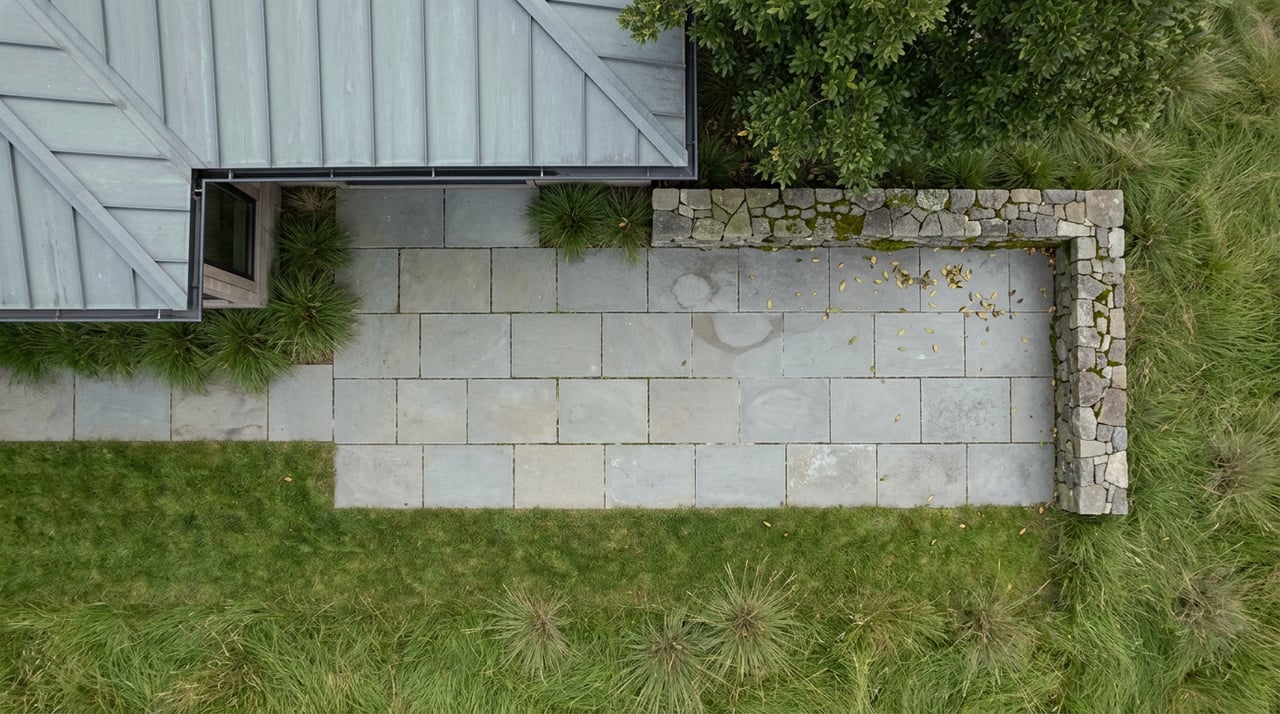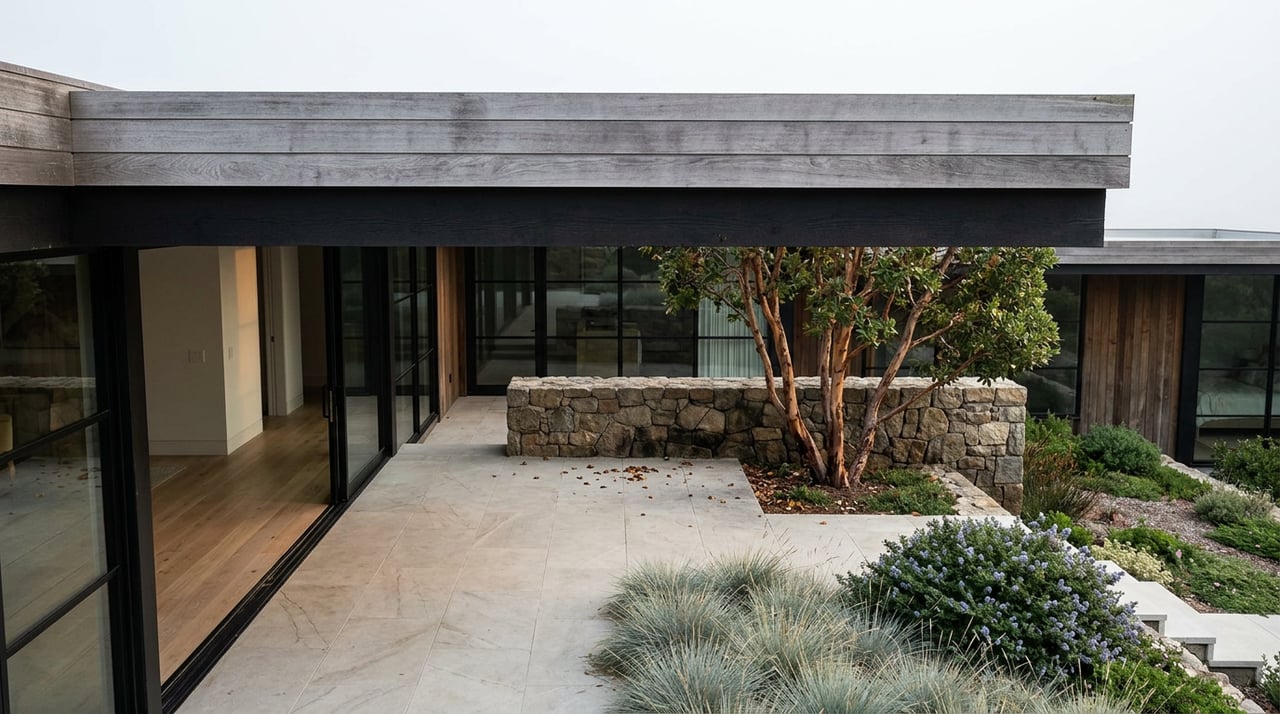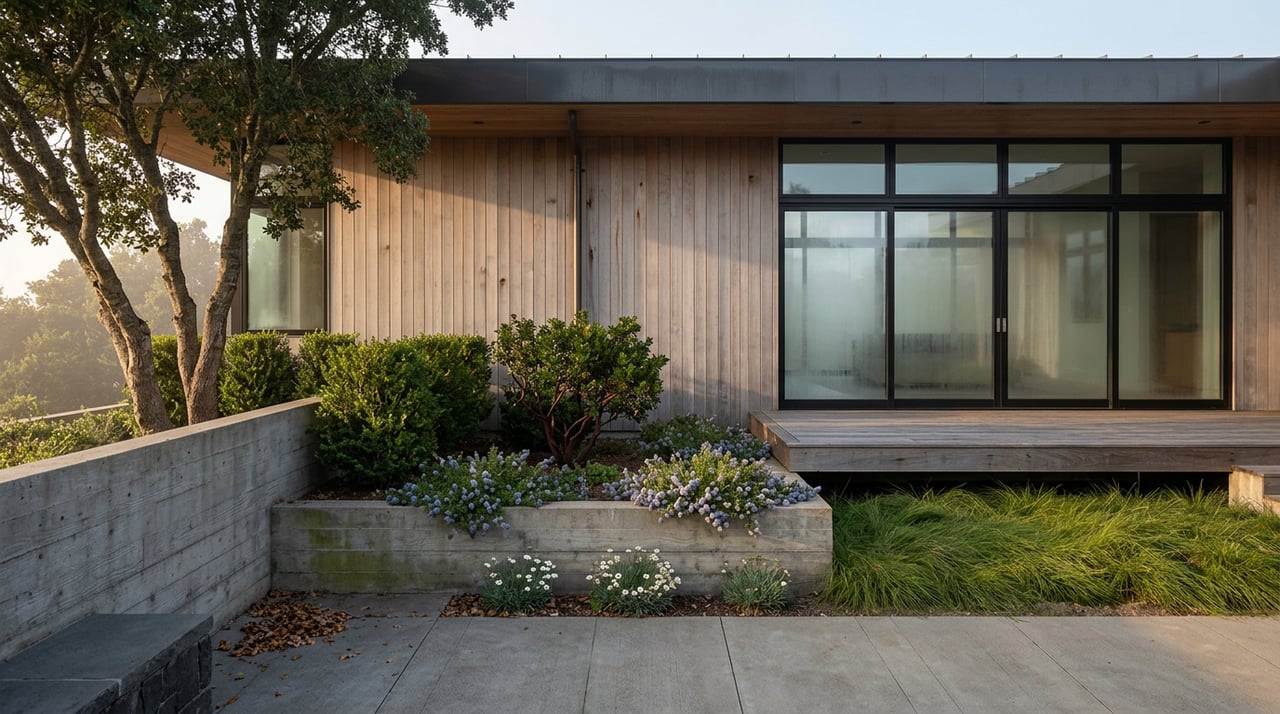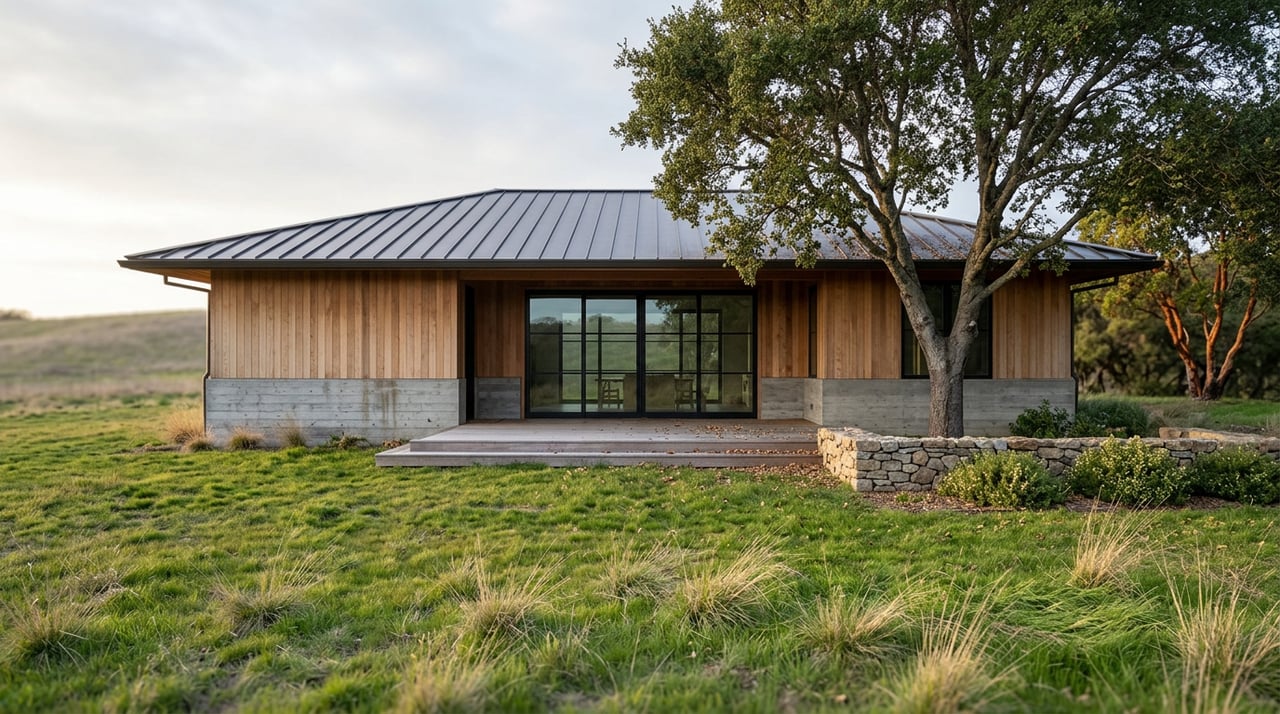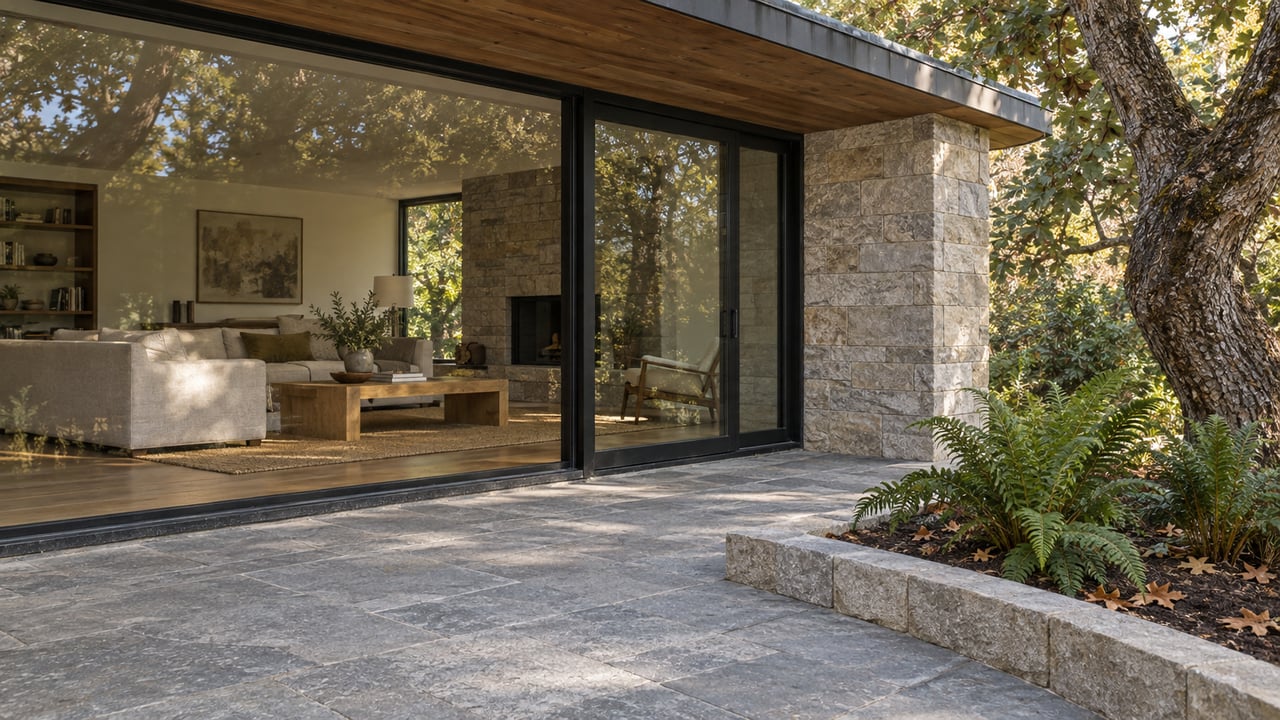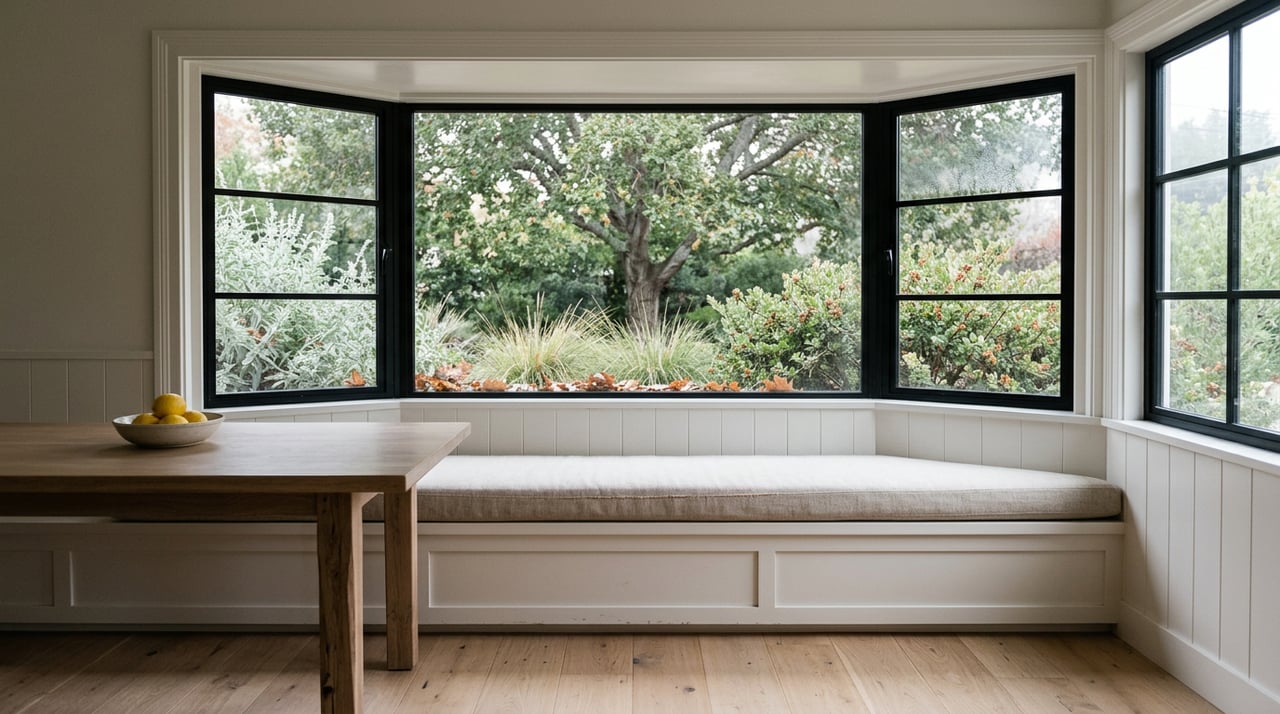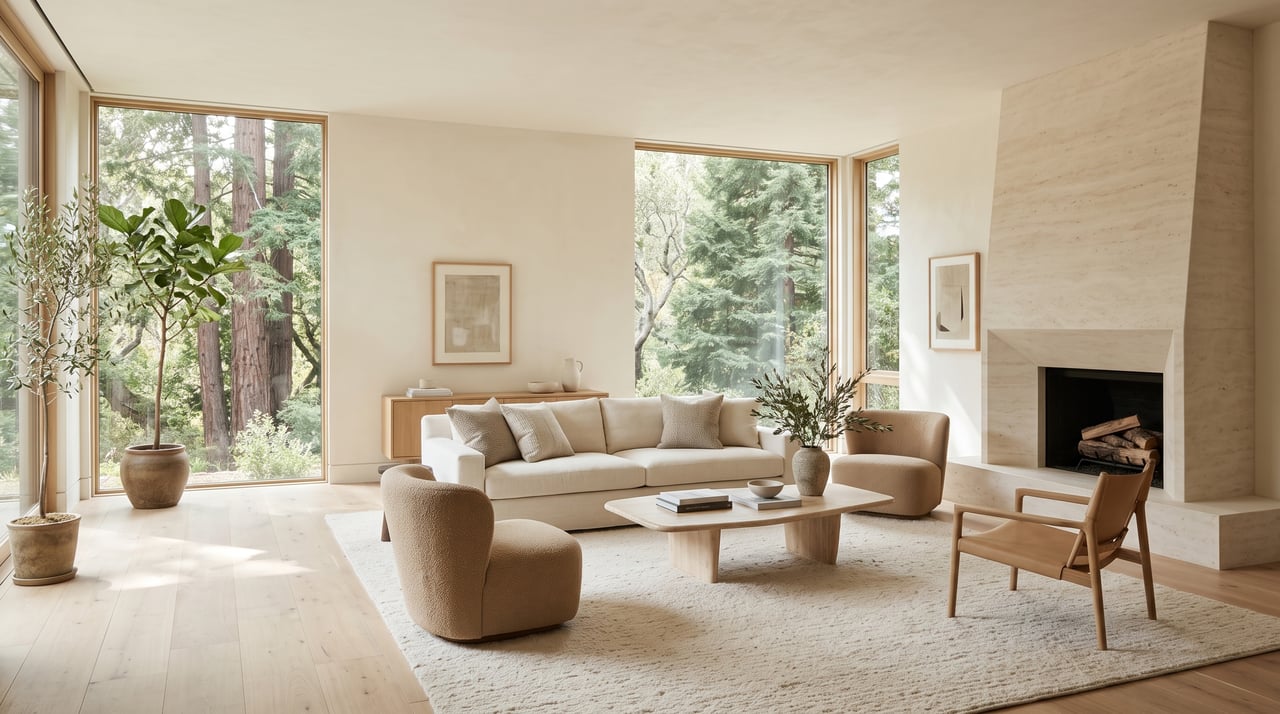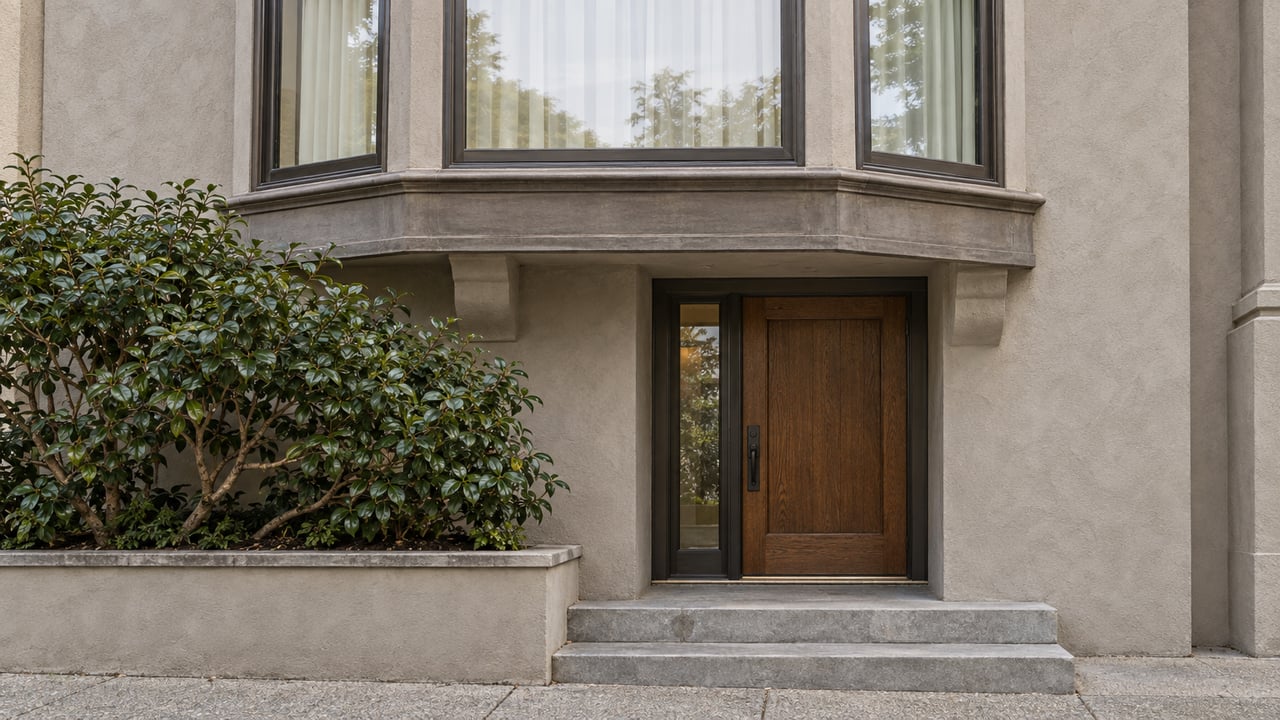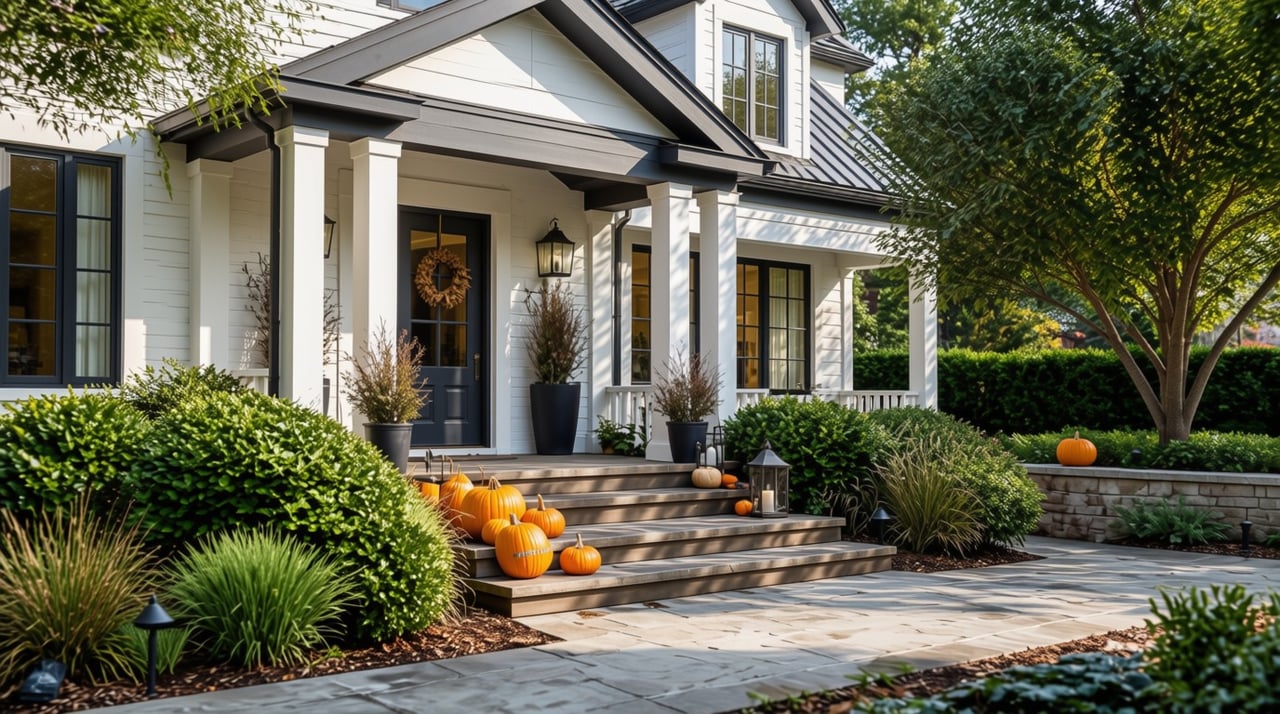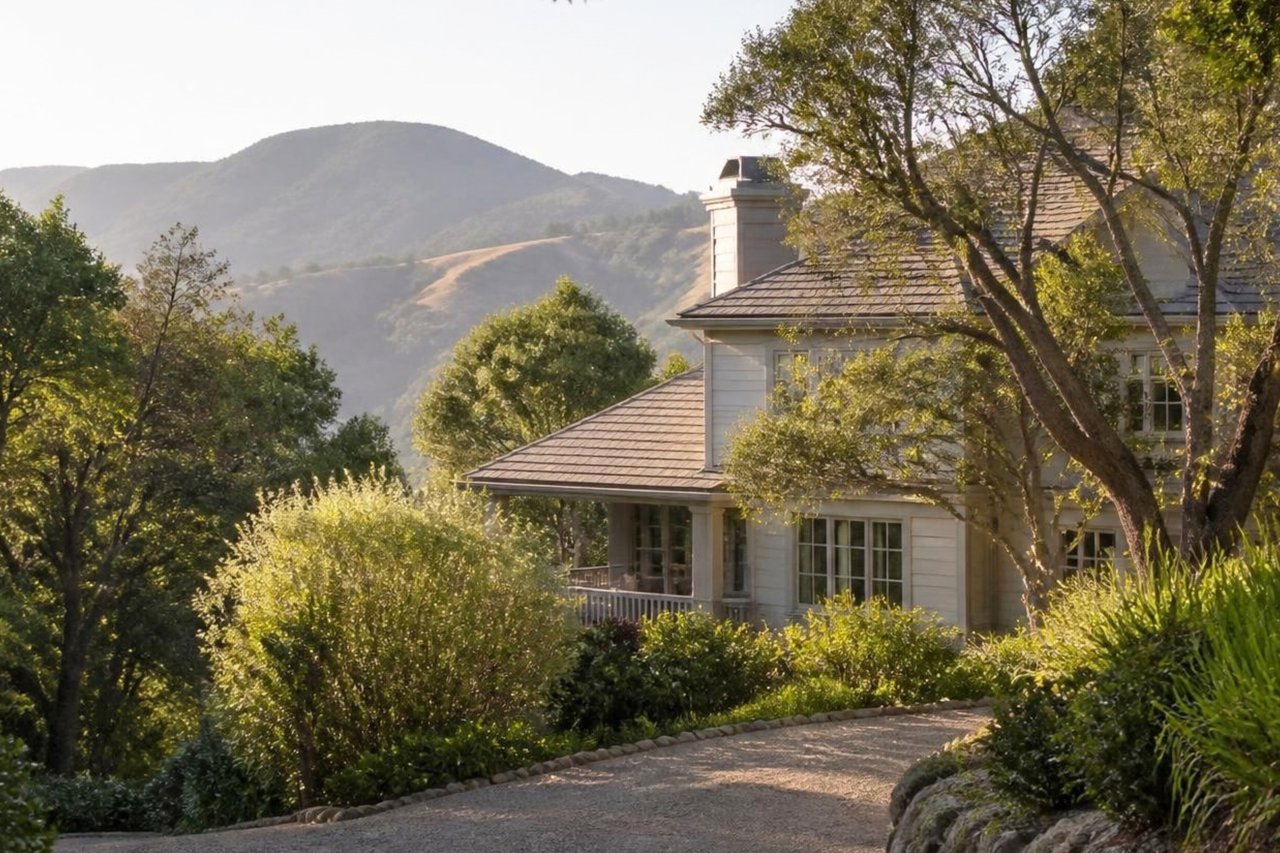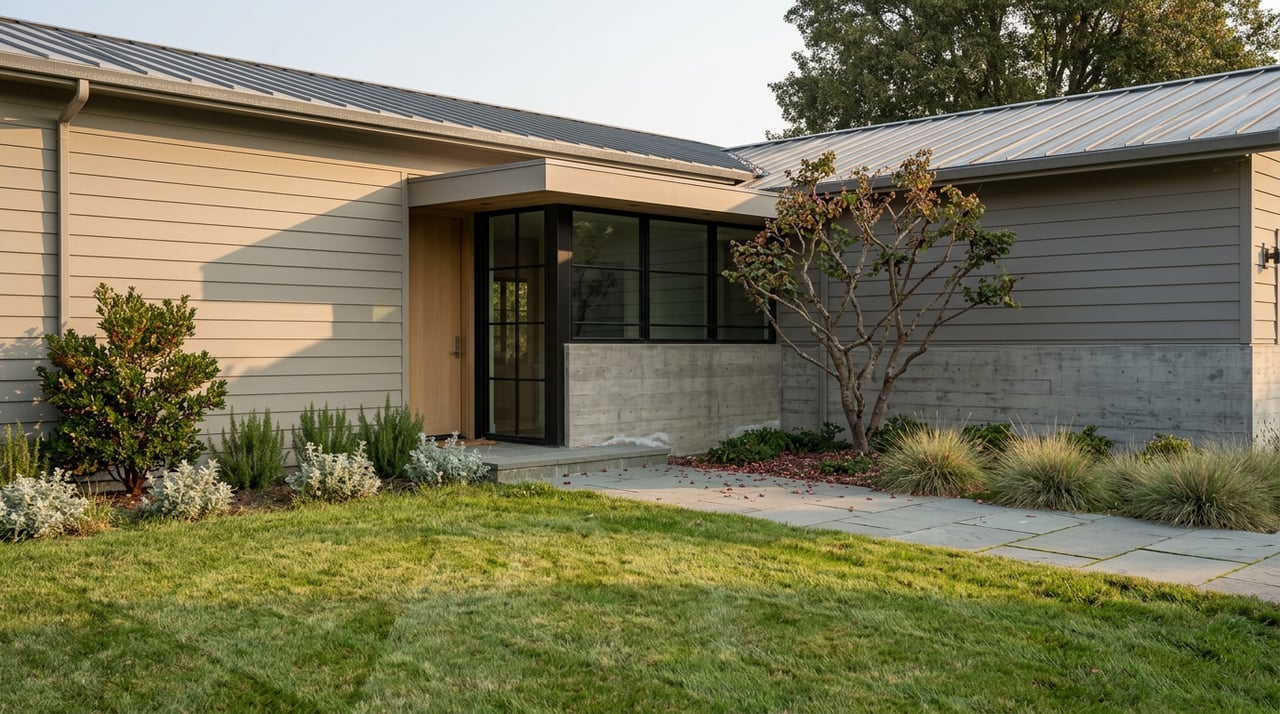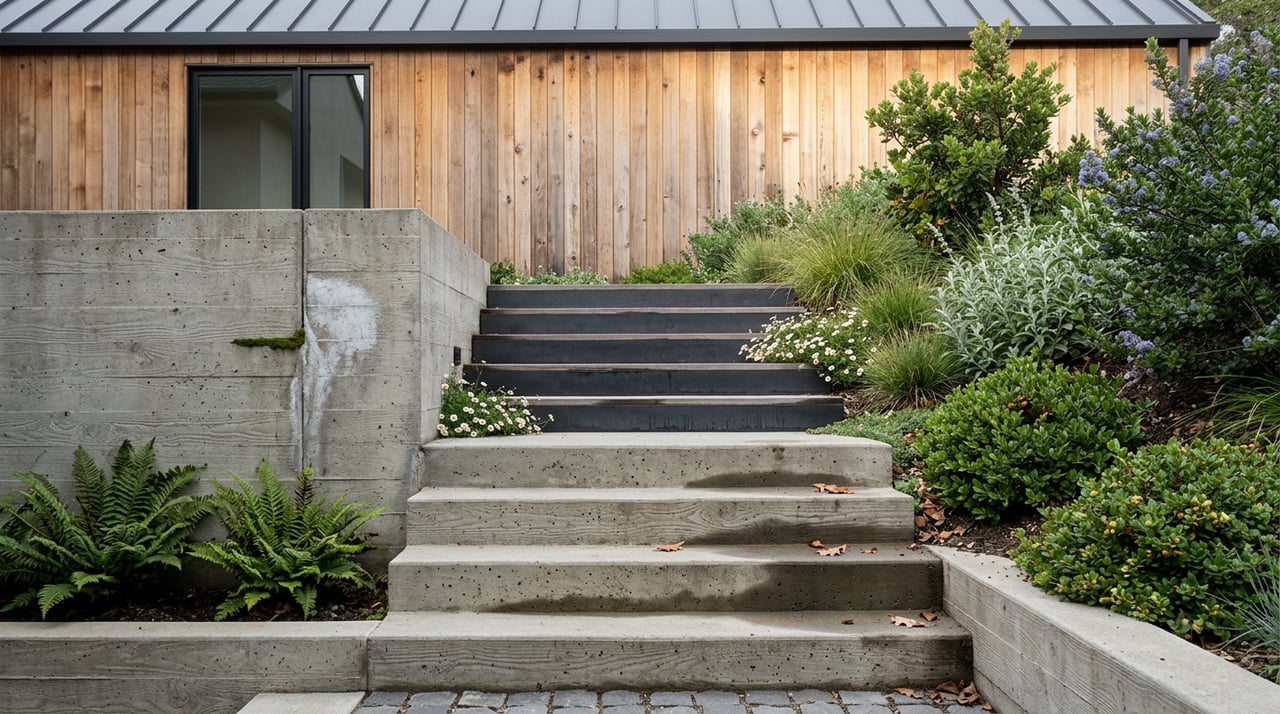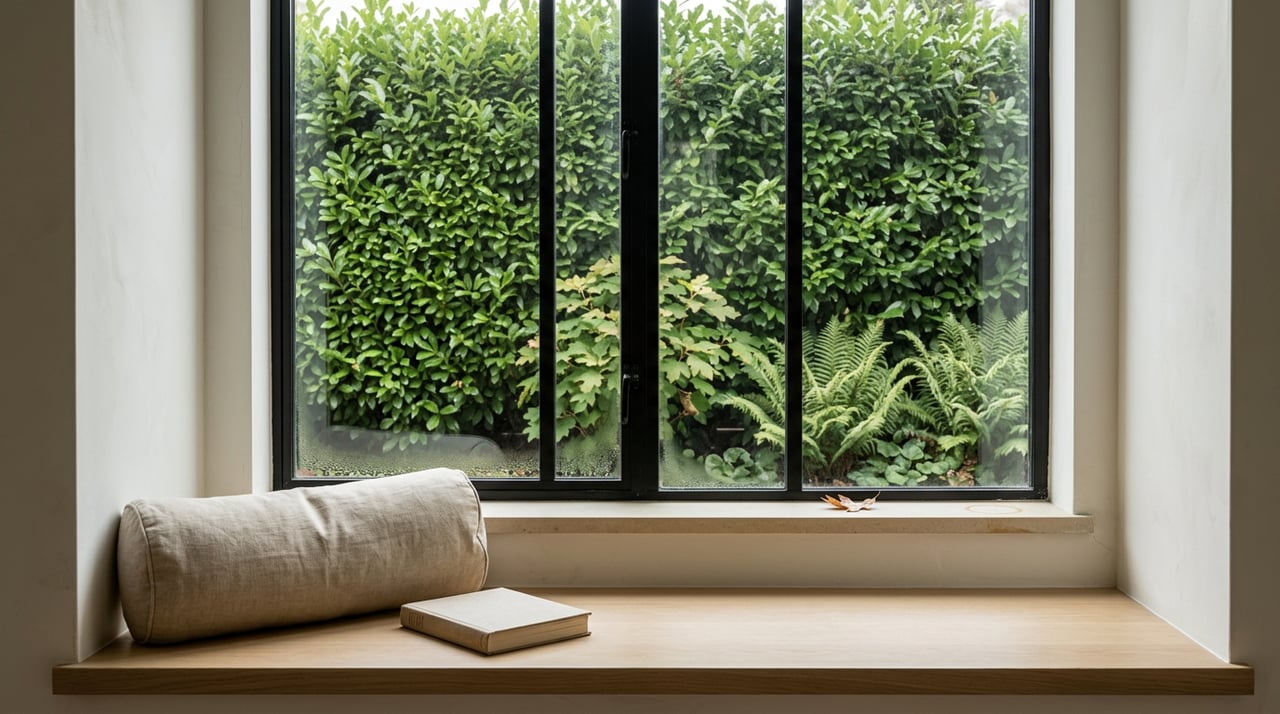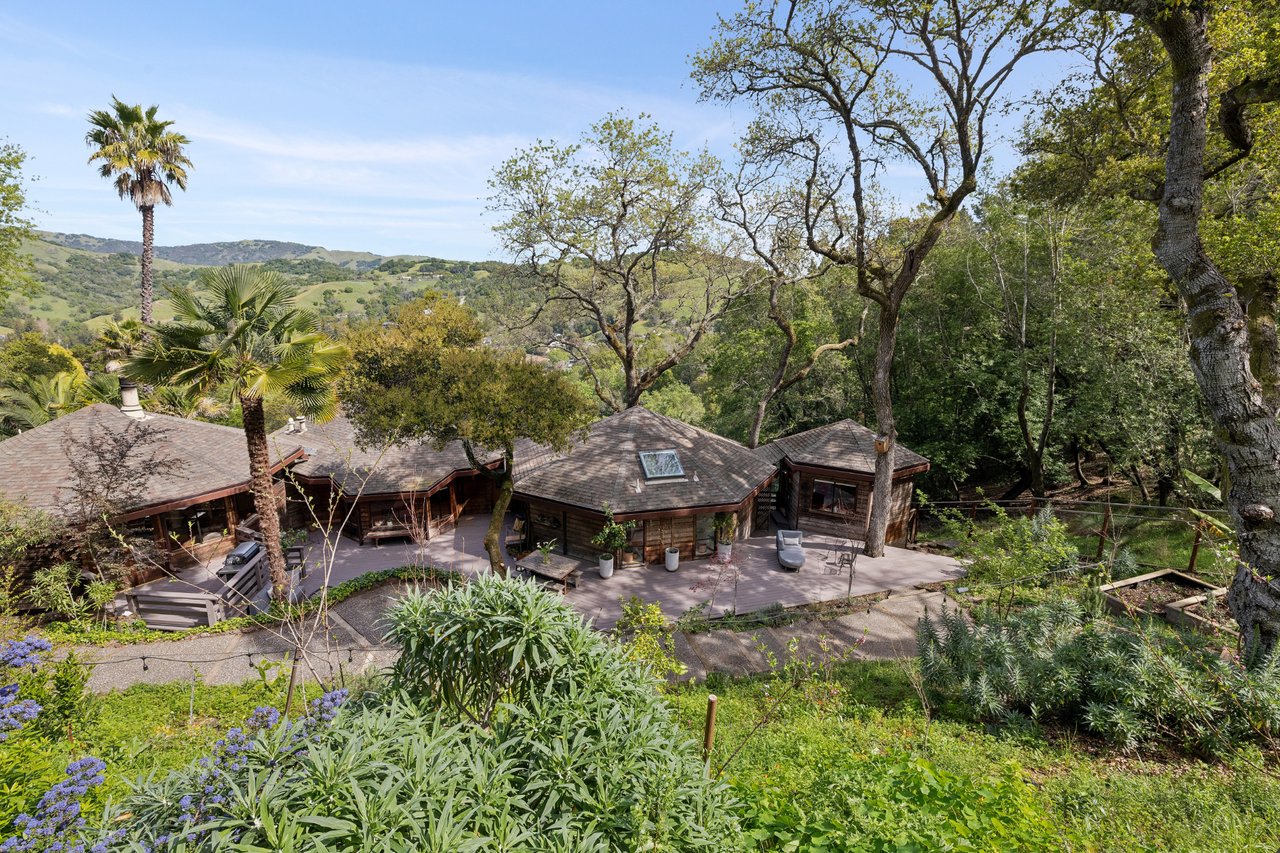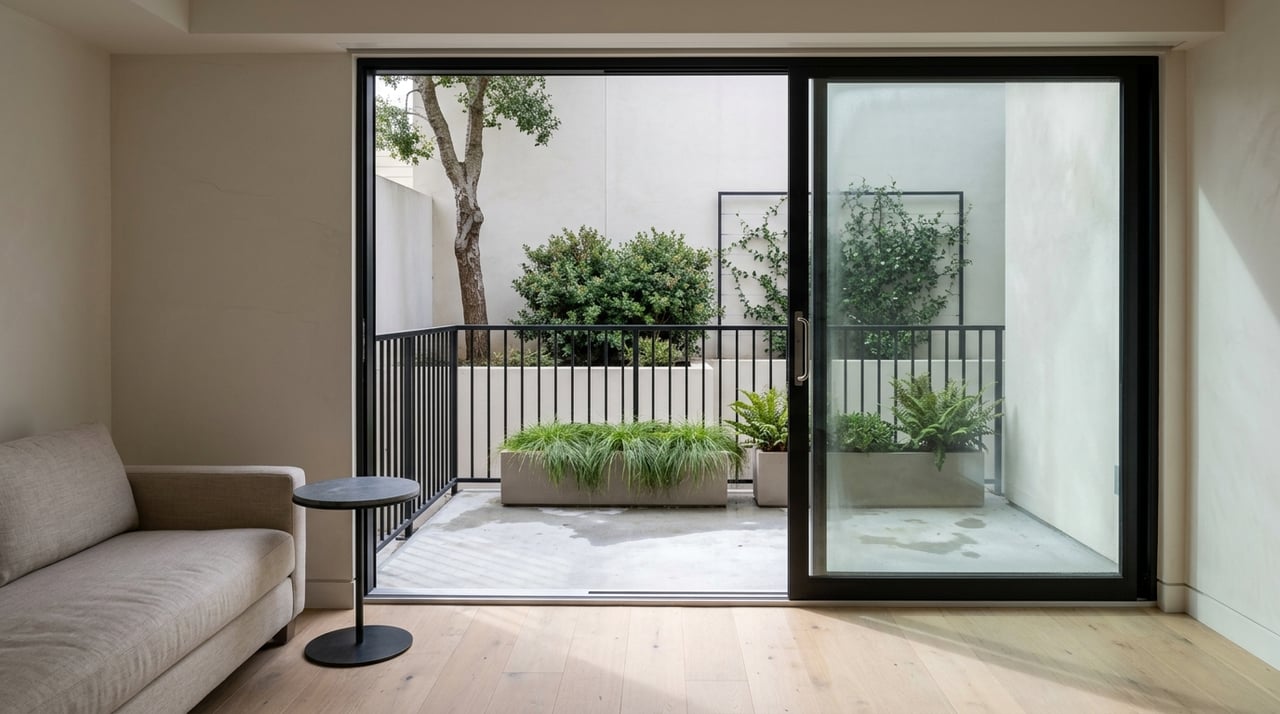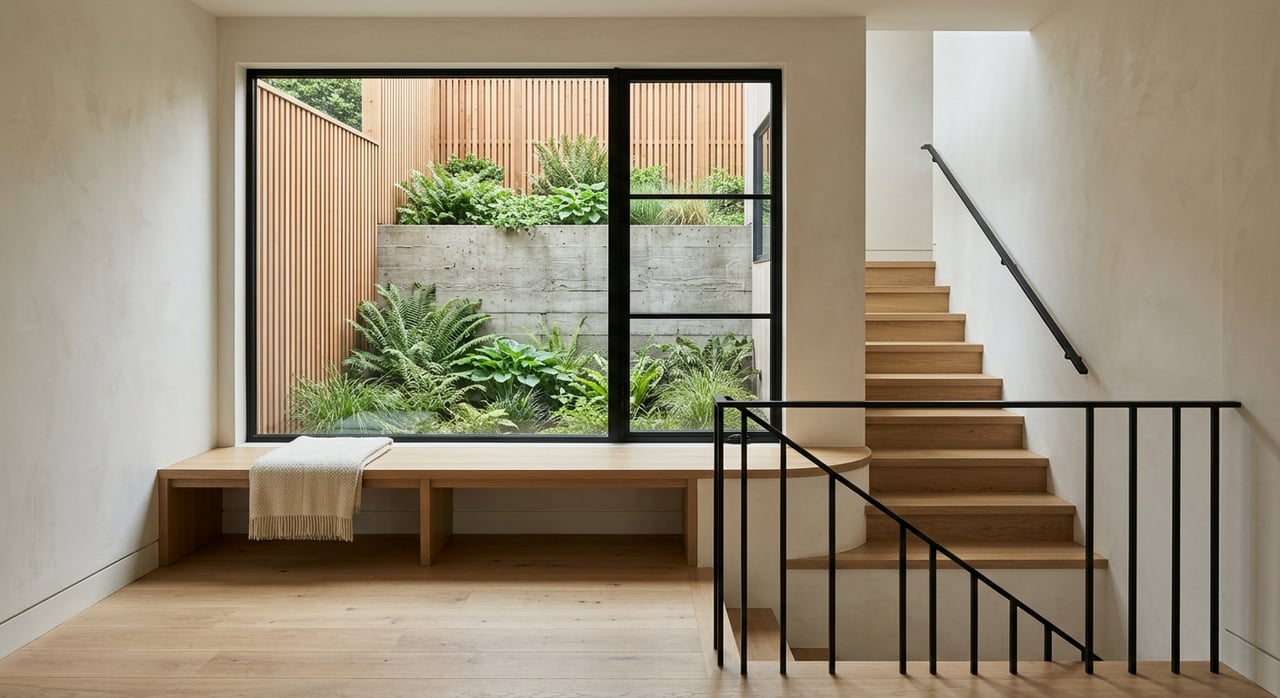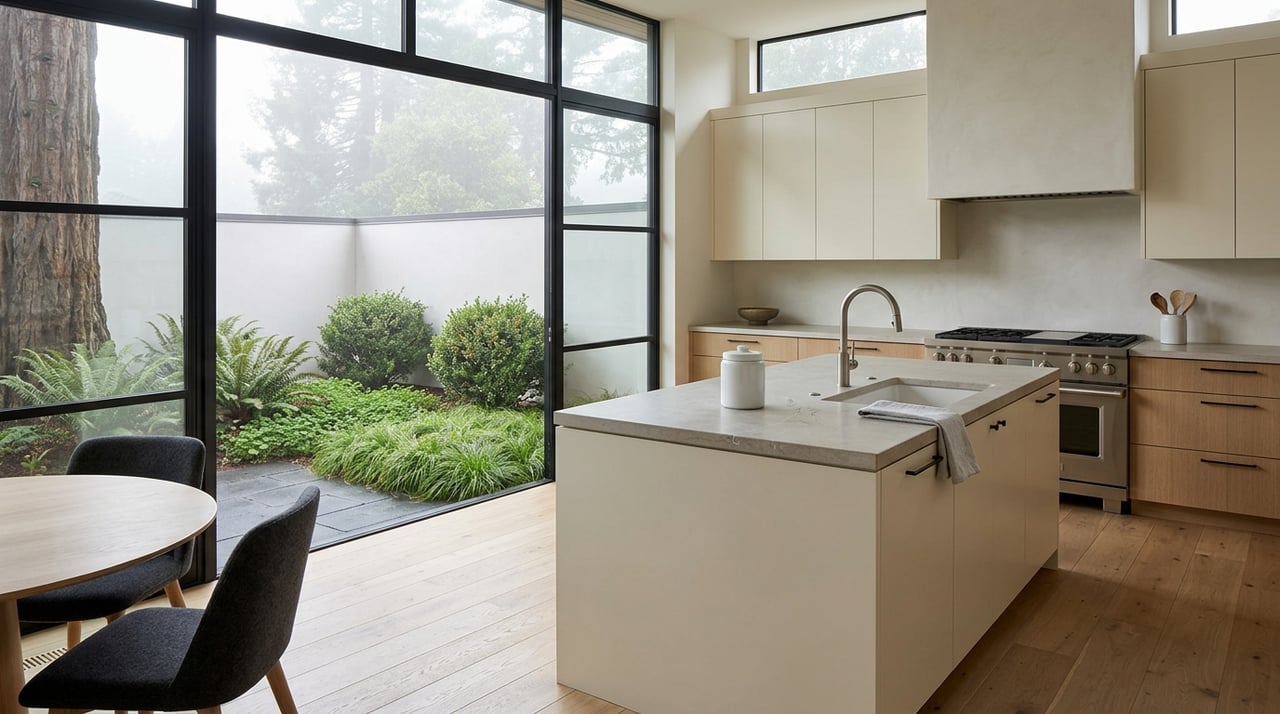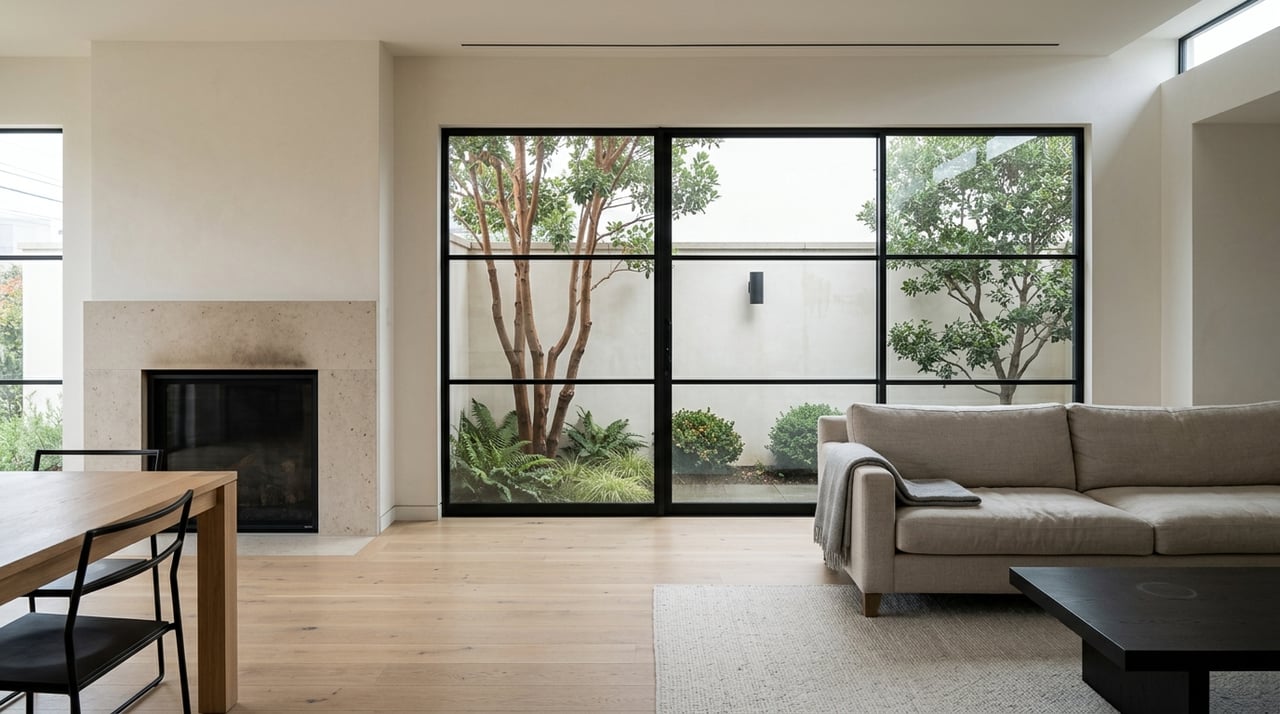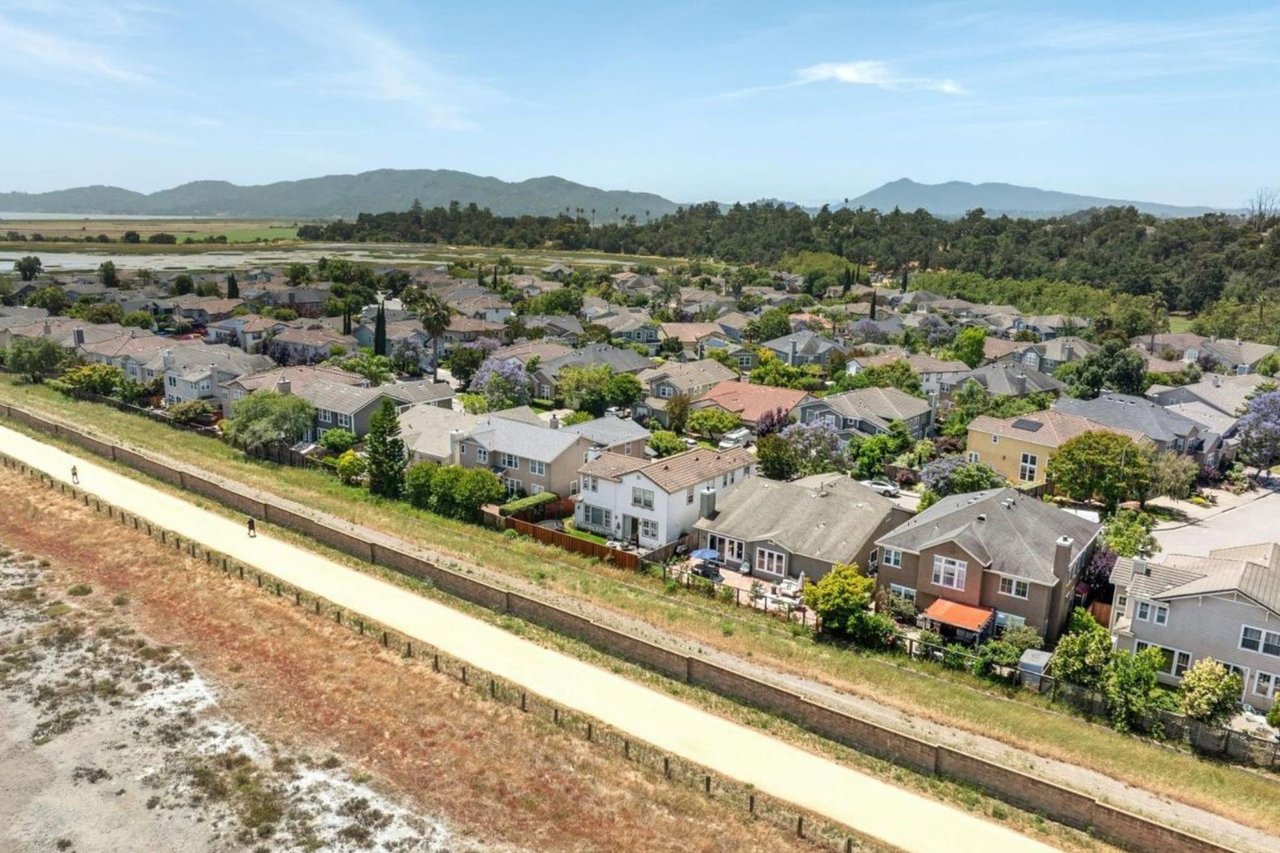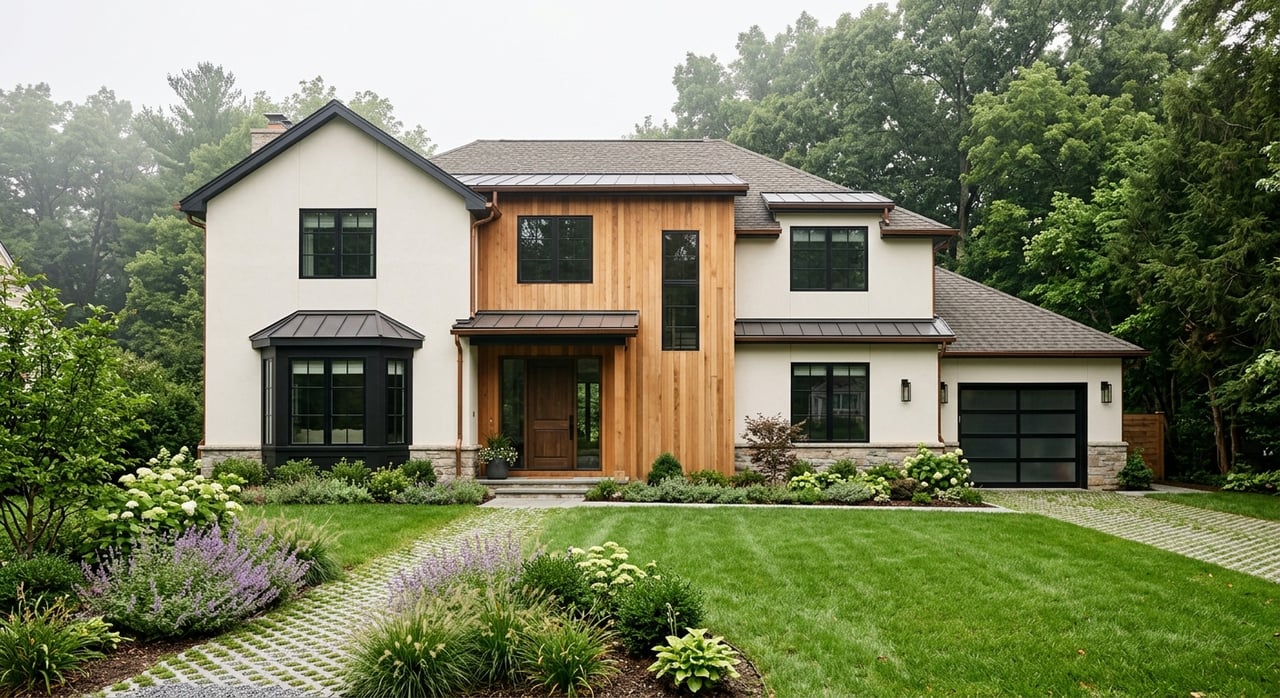
The finished attic with the skylight. The converted garage that became a home office. The lower-level suite with its own entrance. In Marin, these are often a home's most-loved rooms. They are also, quietly, where a good number of sales run into trouble.
The pattern is familiar to us. A listing looks clean on paper, a strong offer arrives, and then the record tells a different story about a room that was never permitted, or was permitted and never finaled. We wanted to write this one plainly, because it is one of the few closing-table problems that is almost entirely avoidable when you see it coming.
Why Marin Is Different From the Rest of the Bay Area
Many buyers assume unpermitted work is a disclosure item and little more. In much of Marin, it carries more weight than that, and the reason is the resale inspection.
According to the City of San Rafael, every city and town in Marin County has an ordinance requiring a resale report before a home changes hands, while the unincorporated areas of the county do not. That one distinction quietly shapes the entire transaction. A home inside Ross, San Anselmo, Fairfax, Mill Valley, Tiburon, or San Rafael faces a municipal inspector looking specifically for work done without permits. A nearly identical home a few streets away in unincorporated Kentfield or Lucas Valley faces no such review.
The Ross Valley Fire Department confirms that resale inspections are required on any single-family dwelling listed in Ross, Fairfax, and San Anselmo, with condominiums and townhomes generally exempt unless the whole complex is sold. The same converted bonus room can be a non-issue in one property type and a real hurdle in another.
Timing matters too. According to the City of San Rafael, once a resale application is received, the city contacts the seller within seven business days simply to schedule the inspection, and the inspection itself follows after that. That sounds manageable until you place it inside a thirty-day escrow already crowded with contingencies.
The Real Cost Is Rarely the Room Itself
When a resale report flags unpermitted work, the seller is usually left to resolve it, often against the clock of an open escrow. According to the Town of San Anselmo, fines for unpermitted work are assessed under town ordinance and, unless the seller pays them, transfer to the new owner with title. The town adds that no future permits will be issued on the property until outstanding fines and penalties are cleared and any expired or unfinaled permits are closed.
That final point is the one that catches people. The problem is not always the old bonus room. A permit pulled years ago and never finaled can resurface at resale and freeze new permits until it is signed off. We have seen a small, forgotten item hold up an otherwise clean transaction for exactly that reason.
The stakes are not theoretical. Some Marin towns re-inspect required corrections for an added fee and assess daily fines when items are not fixed within the allotted window. Bringing a space into compliance can mean opening walls for inspection or, in the harder cases, removing the improvement altogether. That is a difficult project to begin from a standing start with two weeks left on the calendar.
The "Almost" Category
We tend to sort these rooms into three groups.
There is the permitted room, done correctly and closed out. There is the plainly unpermitted room, built with no city or county sign-off at all. And then there is the "almost": the room whose permit was never finaled, or the addition a previous owner believed was legal because a contractor once said so.
The "almost" costs sellers the most, precisely because everyone assumed it was fine. An inspector and an appraiser do not run on assumptions. When the square footage in the marketing does not match the permitted record, an appraisal can come in short and financing can waver, all in the last stretch of the deal.
A Path Forward for Older ADUs
There is one genuinely encouraging exception. According to Marin County's Community Development Agency, the county runs an ADU Legalization Program under state law AB 2533, helping homeowners legalize unpermitted accessory dwelling units and junior ADUs built before January 1, 2020. Under that law, the county cannot deny a legalization permit unless corrections are needed to address genuinely substandard conditions. The county also notes that a homeowner may first obtain a confidential third-party inspection from a licensed contractor to understand the unit's condition before applying.
For a Marin owner sitting on an older converted space, that is a real route to compliance, and a far calmer one to take before listing than mid-escrow.
How We Handle It
Our approach is straightforward. We look for these rooms early, before the sign goes in the yard. During our listing consultation we compare the permit history to what is physically there, flag the "almosts," and decide together whether the right move is to legalize now, disclose thoroughly, or price with the reality in full view. When a property sits in a town with a resale inspection, we plan for that inspection on day one instead of meeting it as a surprise in week three.
The aim is never to hide a bonus room. These spaces add real value and real livability, and buyers love them. The aim is to make sure the room that sells your home does not become the room that stalls it.
If you have a converted garage, a finished basement, or an addition you are not entirely sure about, the best time to sort it out is well before you list. We are always glad to walk a property with you, review what the record actually shows, and give you a clear, honest read on where you stand. Reach out to Marks Realty Group any time.
Frequently Asked Questions
Does an unpermitted bonus room have to be disclosed to buyers?
Yes. Regardless of jurisdiction, work done without permits should be disclosed. Buyers and their lenders tend to view unpermitted space as a risk, so how it is presented and priced matters as much as the disclosure itself.
What happens to unpaid fines for unpermitted work if the home sells?
According to the Town of San Anselmo, fines for unpermitted work are assessed under town ordinance and, unless the seller pays them, transfer to the new owner with title. The town also notes that no new permits will be issued on the property until outstanding fines and penalties are cleared and any expired or unfinaled permits are closed.
What is a "never-finaled" permit, and why does it matter at resale?
It is a permit that was pulled but never signed off with a final inspection. Even when the work looks complete, an open permit can resurface during a sale and freeze new permits until it is closed, which can slow an otherwise clean transaction.
Can an older unpermitted ADU be legalized?
Often, yes. According to Marin County's Community Development Agency, the county runs an ADU Legalization Program under state law AB 2533 for unpermitted accessory dwelling units and junior ADUs built before January 1, 2020. Under that law, the county cannot deny a legalization permit unless corrections are needed to address genuinely substandard conditions.
When is the best time to sort out a bonus room?
Well before listing. Handling it early gives you room to legalize, disclose, or price with the full picture in view, rather than facing a surprise during a compressed escrow.
sources: cityofsanrafael.org, townofsananselmo.org, rossvalleyfire.org, marincounty.gov