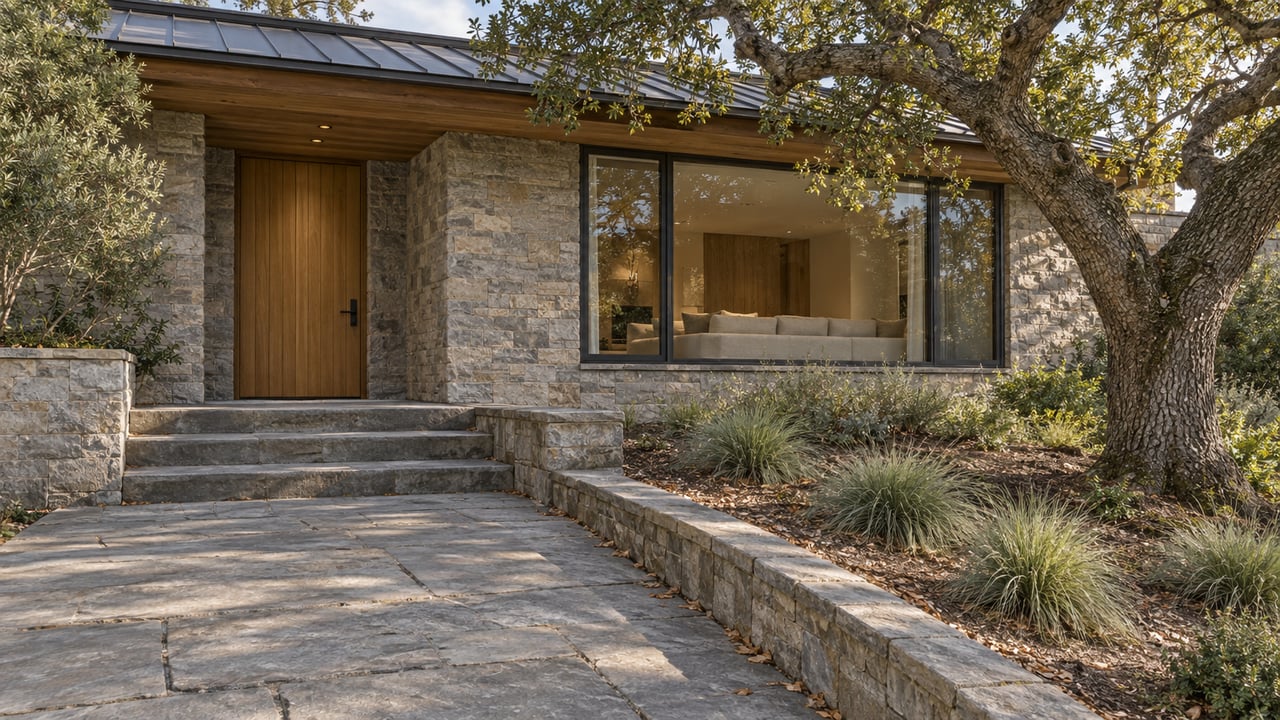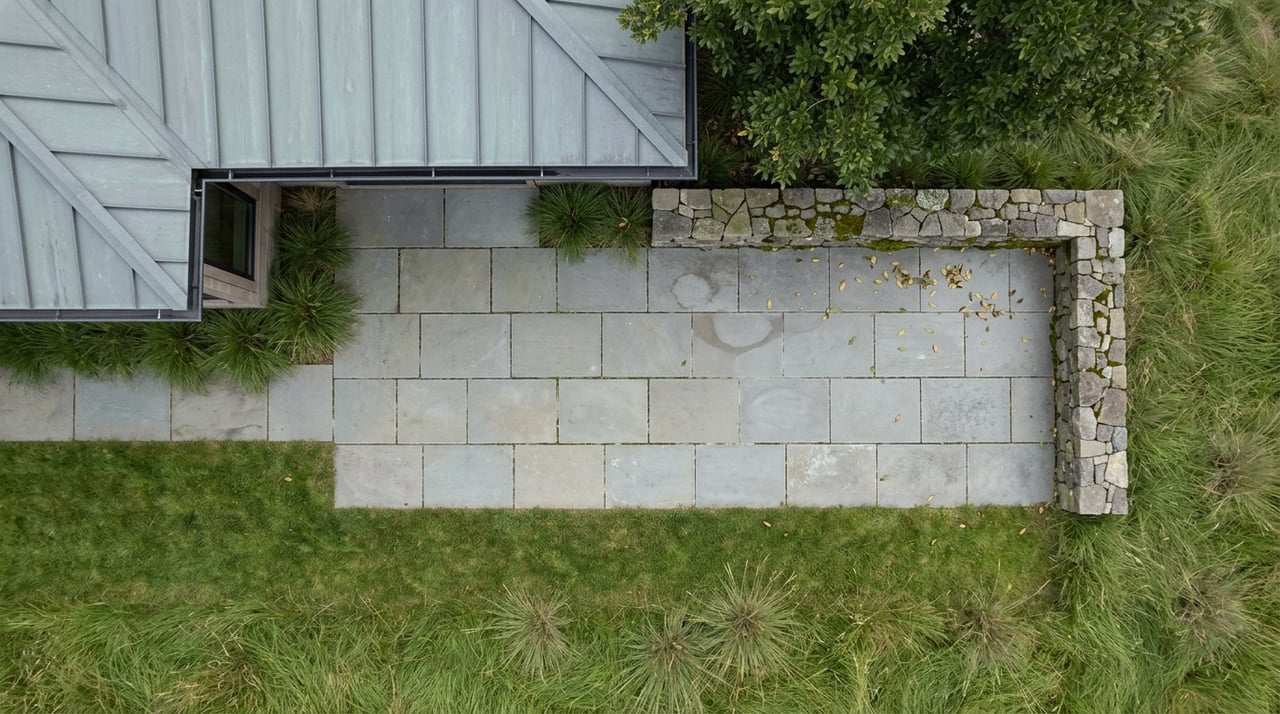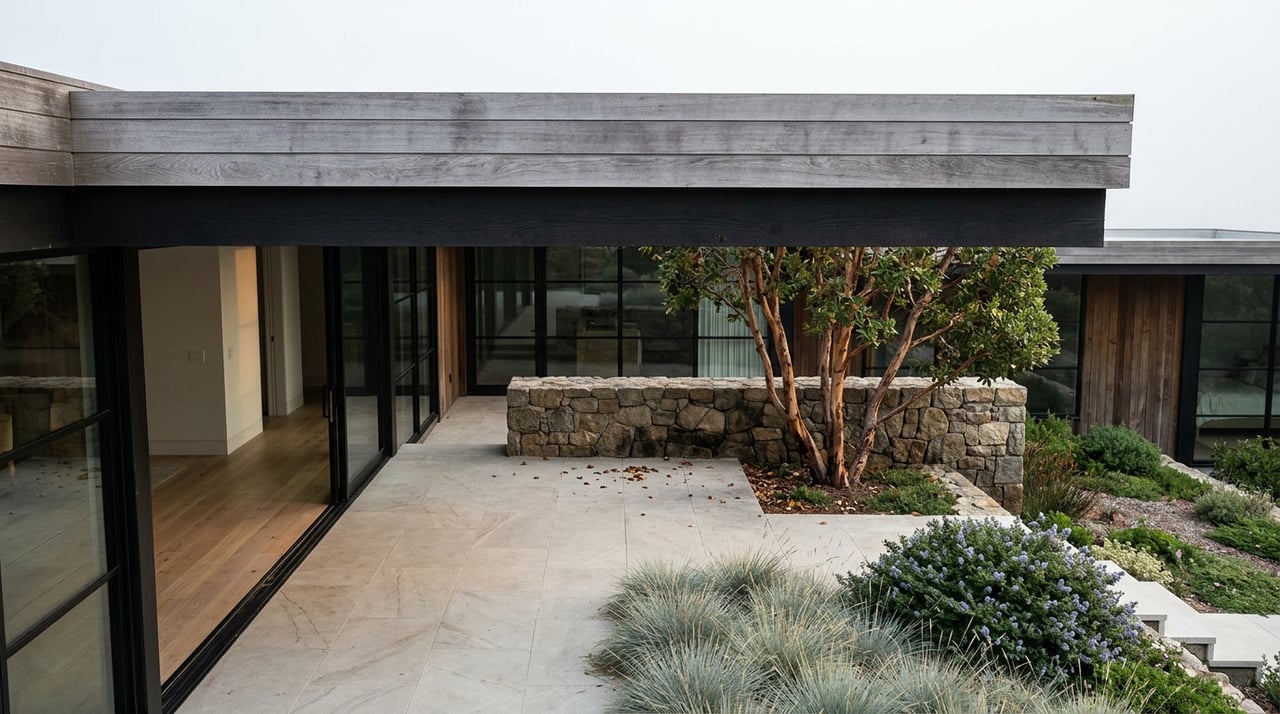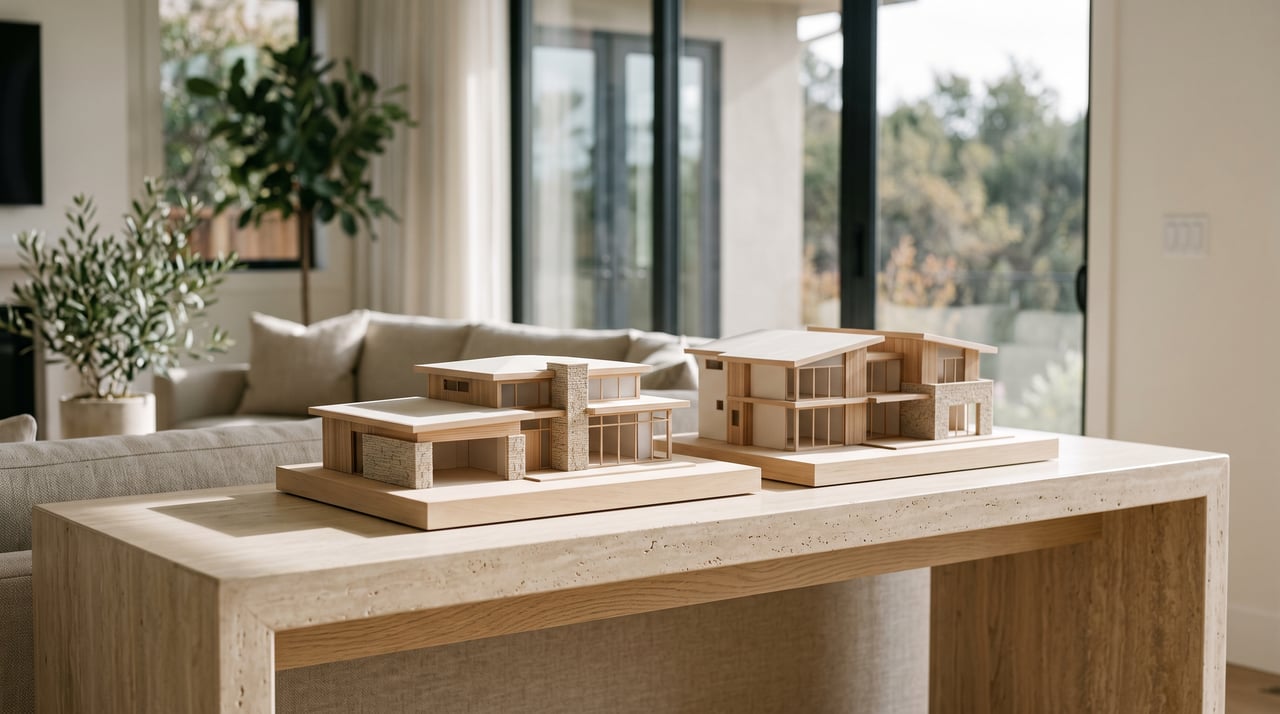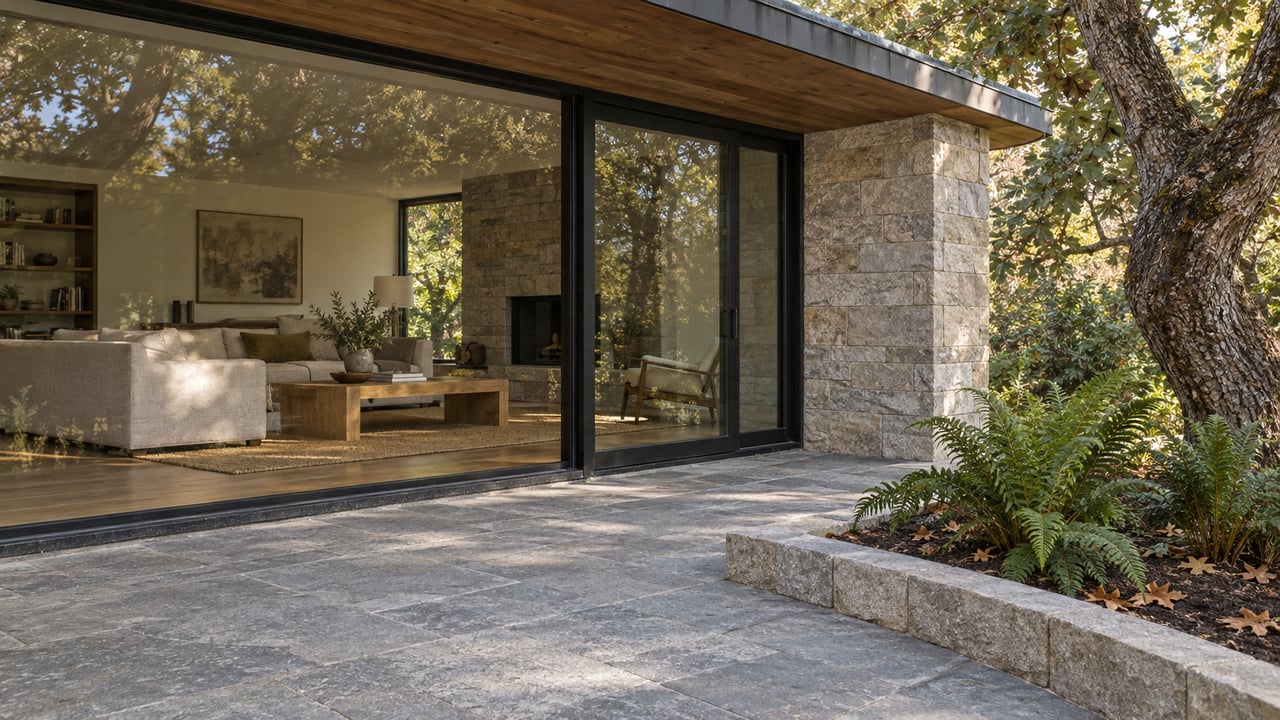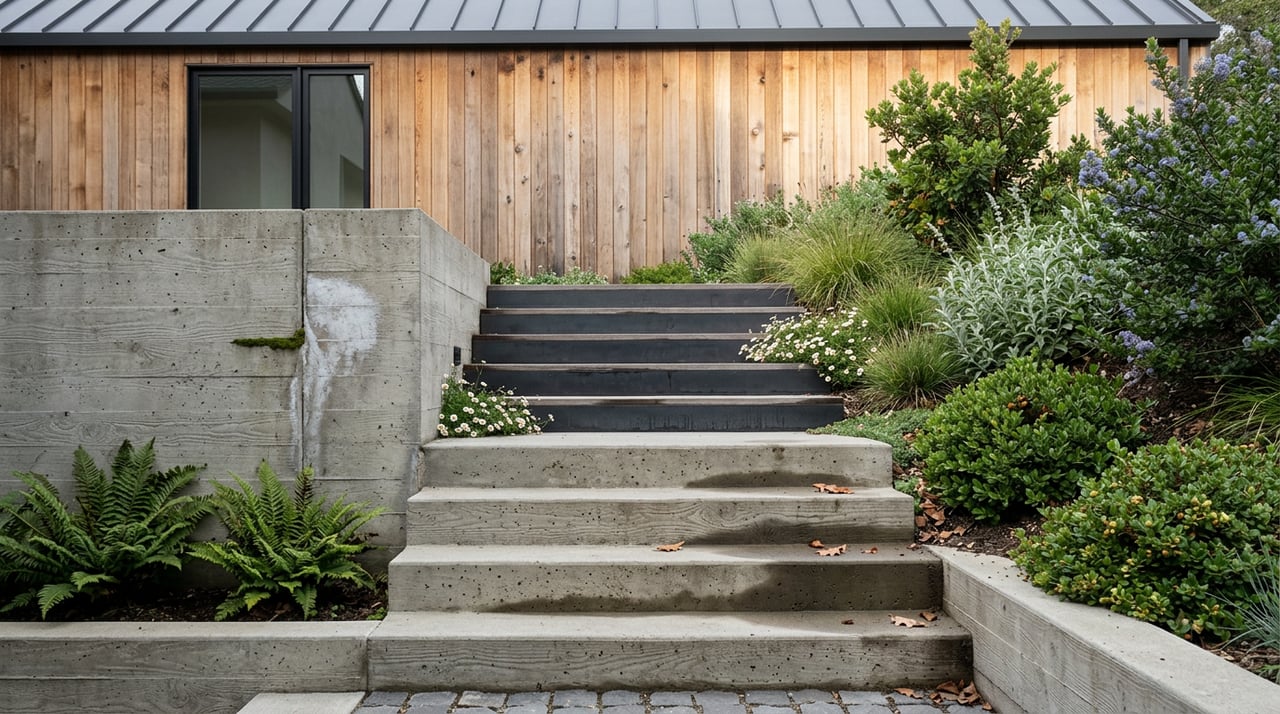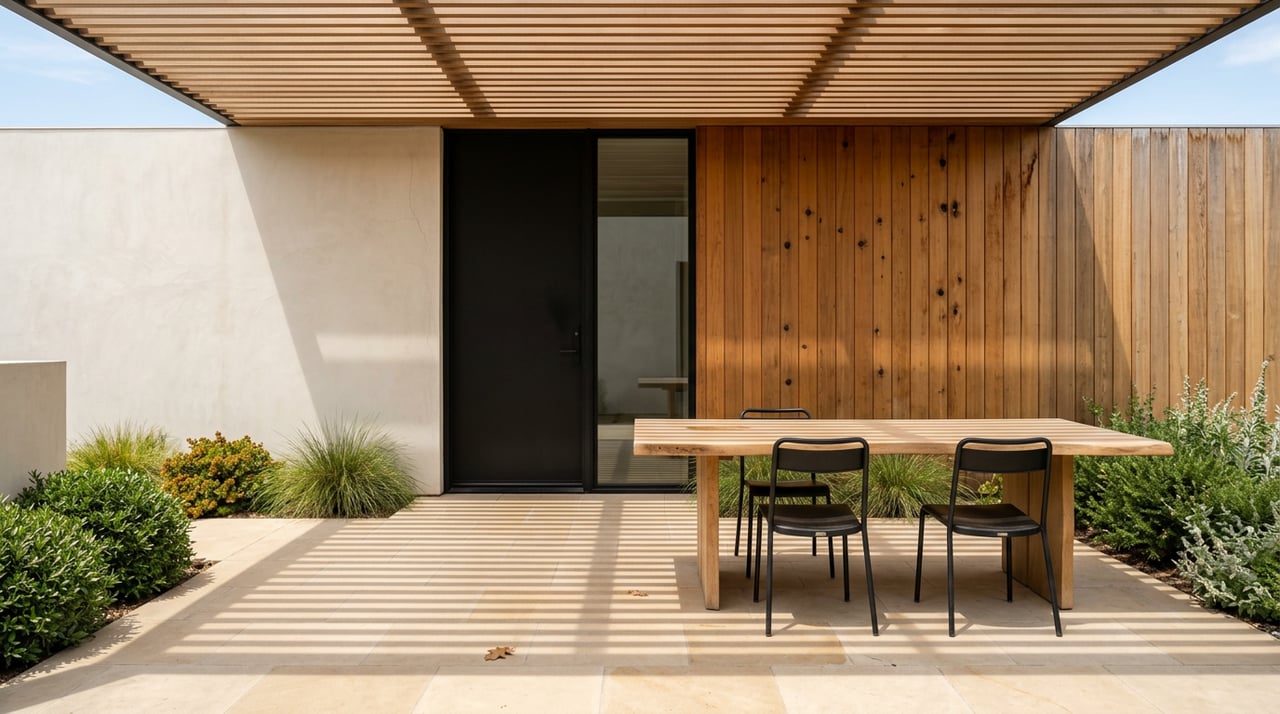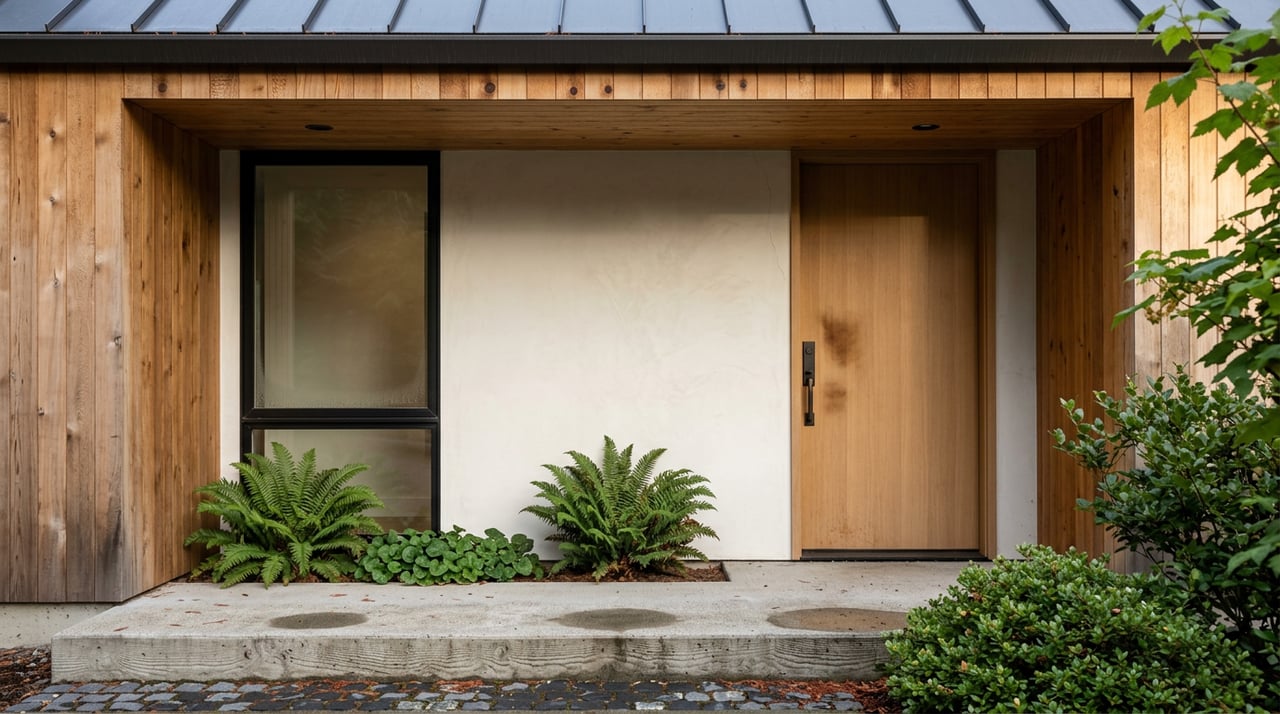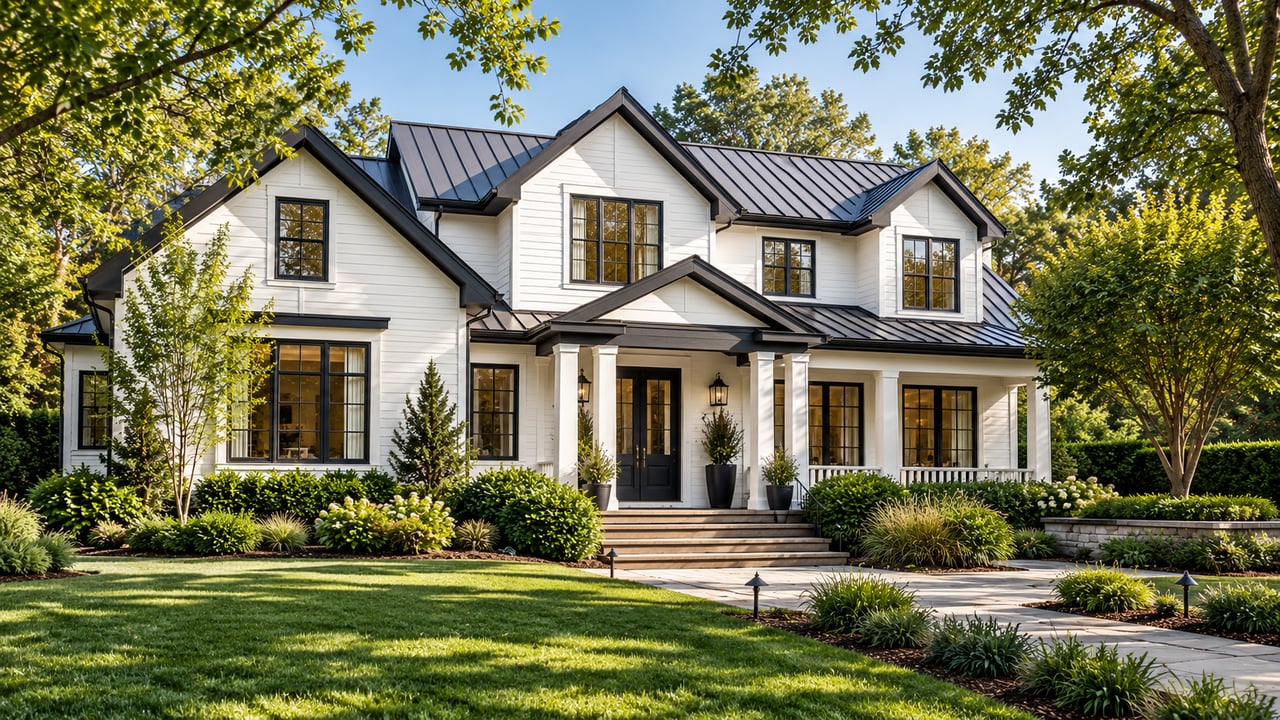
Across Marin and San Francisco, a lot of the owners we work with are sitting on something they have not fully used: their own lot. Maybe you have thought about an accessory dwelling unit (ADU) for rental income, a place for aging parents, a home office with its own door, or simply more value when you eventually sell. For years, the rules and the costs made that a bigger project than most people wanted to take on.
That is starting to change. On September 29, 2026, Governor Gavin Newsom signed a wave of new housing bills, and two of them speak directly to homeowners. Beginning January 1, 2027, California will let you build more on your lot, and pay less to do it. For owners in high-value micro-markets like ours, that is a quiet but meaningful shift.
What Changes on January 1, 2027
The headline change comes from Assembly Bill 956. Today, most single-family lots are entitled to one detached ADU. Under the new law, local agencies must approve up to two detached, new-construction ADUs on a lot with an existing or proposed single-family home, with side and rear setbacks of no more than four feet. It also strengthens protections against homeowners association rules and deed restrictions that try to block ADUs.
The second change is about cost. Senate Bill 1117 limits impact fees on larger units, charging them only on the portion of an ADU above 750 square feet. For many homeowners, that trims one of the least predictable line items in a build and makes a right-sized second unit far easier to pencil out.
Why This Matters for a Marin or San Francisco Lot
In our market, land is the scarce ingredient, and these rules let an existing lot do more. Where you once had room for one detached unit, you may now have room for two: long-term rental income on one side of the property, a place for family on the other, or the flexibility to downsize in place while keeping the home you love.
There is a resale dimension too, and it rewards doing things properly. At the upper end, a second unit is rarely just “a rental” - it is the guest house, the studio, or the pool house that lets a main residence stay uncluttered, and in neighborhoods from Tiburon to Ross that is exactly what the right buyer is looking for. A permitted unit is an asset a buyer can see and value, unlike unpermitted square footage, which has a way of surfacing at the worst possible moment - the closing table.
The Compass Advantage: Tools to Build and Sell Smart
As a Compass team, we help owners think these moves through from both sides. If an ADU is part of preparing a home for sale, Compass Concierge can front the cost of qualifying improvements with no interest, repaid when the home sells, so the property shows at its best from day one.
When it is time to list, our 3-Phase Marketing Program is built to position a home, and the added value of a second unit, in front of the right buyers. The goal is the same one we bring to every move: your property working as hard as it can for you.
Making It Work in Marin and San Francisco
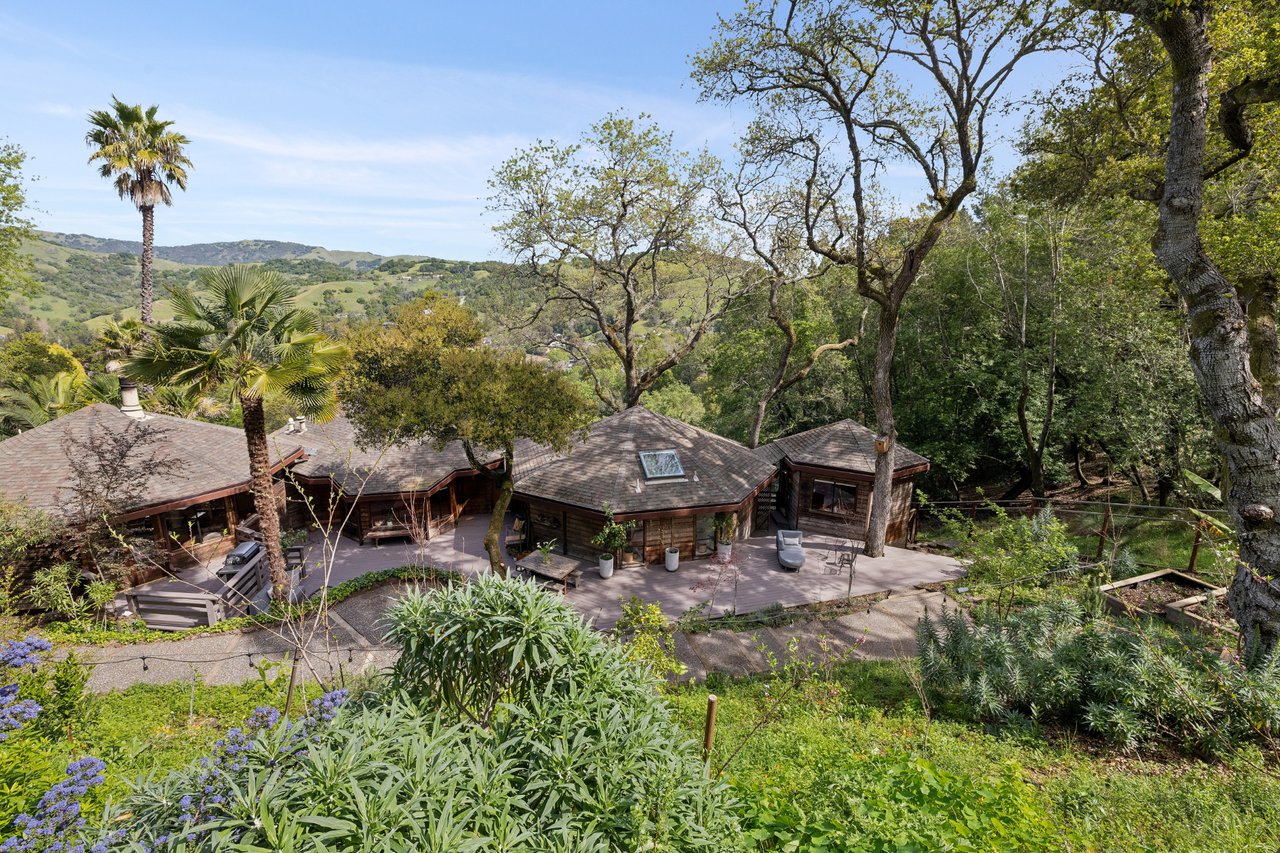
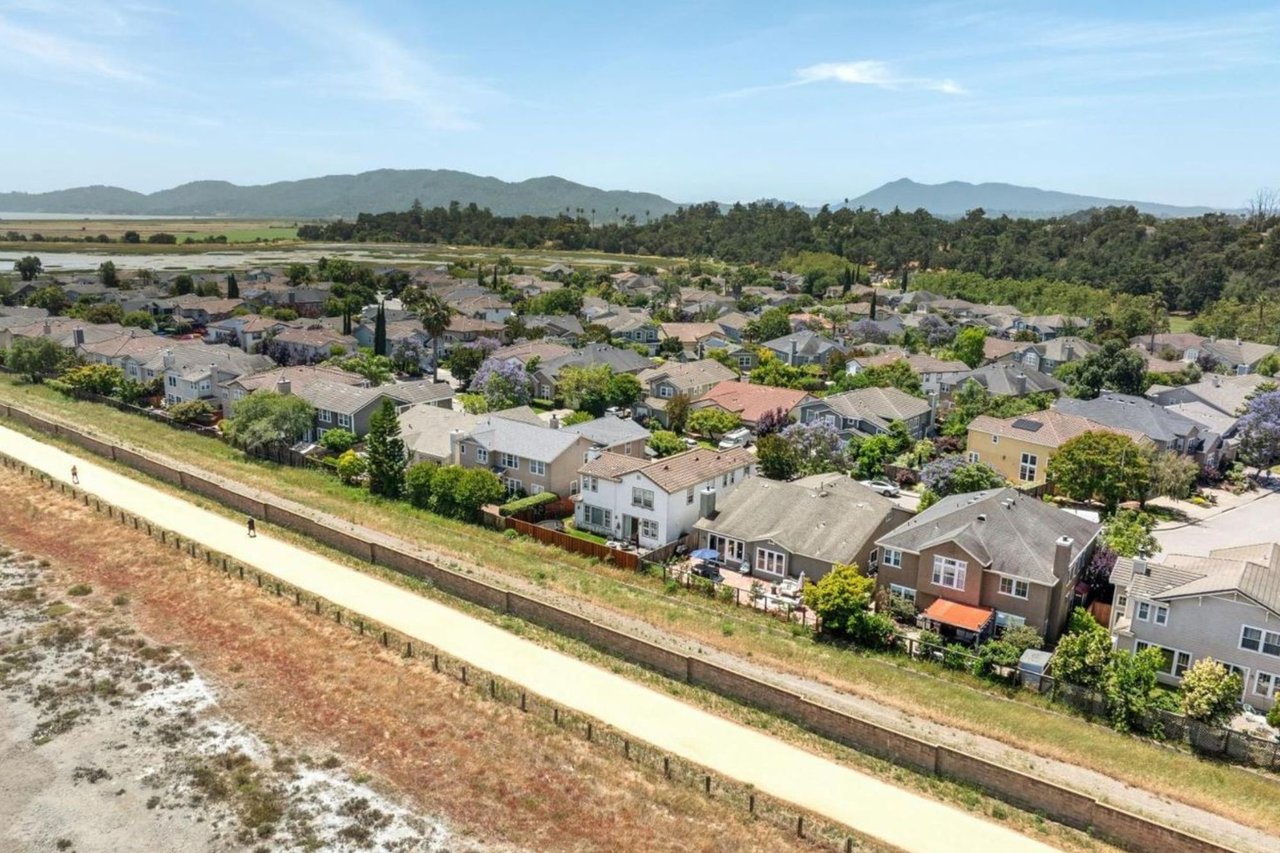
State law sets the floor, but local details still decide what is possible. On many Marin lots, the buildable area sits uphill behind the house, and the new four-foot setback is often what finally lets a second unit fit. Permitting, design review, and the realities of hillside and coastal parcels - where the insurable property increasingly matters as much as the highest offer - all shape what works on a given site.
The first step is almost always the same. You need an honest sense of what your home is worth today and what a second unit could add. Our Home Valuation is a good starting point, and from there we can talk through whether building, or simply understanding your lot’s potential, fits your plans.
Common Questions About California’s 2027 ADU Rules
Can I build two ADUs on my lot?
Yes. Starting January 1, 2027, AB 956 requires local agencies to approve up to two detached, new-construction ADUs on a lot with an existing or proposed single-family home, within applicable size and height limits.
Can my HOA stop me from building one?
The new law tightens limits on homeowners association rules and deed restrictions that prohibit or unreasonably restrict ADUs. Reasonable local standards can still apply, so it is worth reviewing your governing documents early.
Will I pay impact fees on a larger unit?
Under SB 1117, impact fees apply only to the portion of an ADU above 750 square feet. A smaller, well-planned unit can avoid much of that cost entirely.
Looking Ahead: Your Lot, With More Options
Changes like these reward the owners who look early rather than the ones who move fast. Knowing what your lot can legally hold is useful long before a shovel goes in the ground - it informs how you weigh staying, renovating, or selling into a market that increasingly prizes flexible space.
So if an ADU has ever been a someday idea, this is a sensible moment to find out where you stand. Reach out, and we will walk through what the new rules allow on your specific lot, and what actually makes sense for you.
Sources: California State Legislature, AB 956 and SB 1117 (leginfo.legislature.ca.gov); Office of Governor Gavin Newsom (gov.ca.gov)