One of the most common questions we hear from buyers who are serious about the Bay Area is some version of this: "We know what we can spend. What we don't know is whether that money works better in Marin or San Francisco." It seems like a simple question. In practice, it is one of the most layered decisions a buyer can make, and the answer almost always surprises people.
The two markets sit just across the Golden Gate Bridge from each other, but they are not asking your budget to do the same work. The same purchase price that buys a well-located condominium in Noe Valley or the Castro will buy a detached single-family home with a yard and a driveway in San Anselmo or Corte Madera. And everything that flows from that physical difference — the space, the rhythm, the school district, the Saturday morning — adds up to what genuinely feels like a different life.
We work across both markets every day. We know their texture well, and we have watched buyers at identical price points end up in homes that could not feel more different. This piece is our honest, on-the-ground read on how to think through that gap.
The Price Ranges Overlap. The Properties Don't.
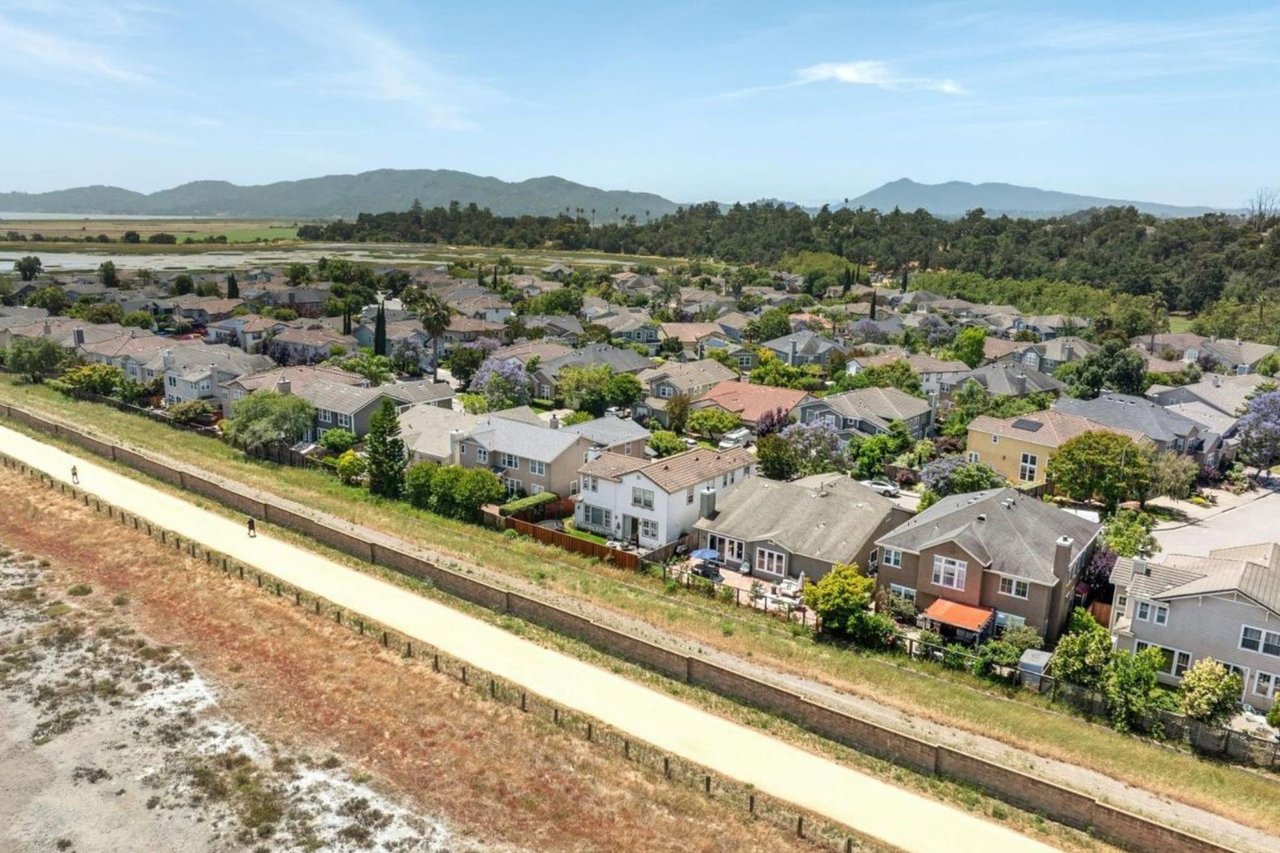
Marin County and San Francisco are built around fundamentally different housing stocks, and that structural difference shapes everything a buyer experiences at the negotiating table. According to Marin County's own housing element, more than 80 percent of homes in the county are single-family detached buildings. San Francisco's supply is weighted heavily toward condominiums, flats, and buildings with shared walls, shared lobbies, and homeowners associations.
This matters more than most buyers anticipate when they start looking. In Marin, a competitive offer typically involves a detached home — private entry, a yard of some kind, a garage, outdoor space. In San Francisco, the same dollar amount almost always means buying into a building. Both are genuine forms of homeownership, but they carry very different day-to-day experiences.
The question is not which type is better. The question is which one fits the life you are actually building.
What Your Budget Buys on Each Side of the Bridge
In the price range where these two markets overlap most directly — roughly the mid-six-figure range on either side of San Francisco's and Marin's respective medians — here is what we consistently see buyers navigate.
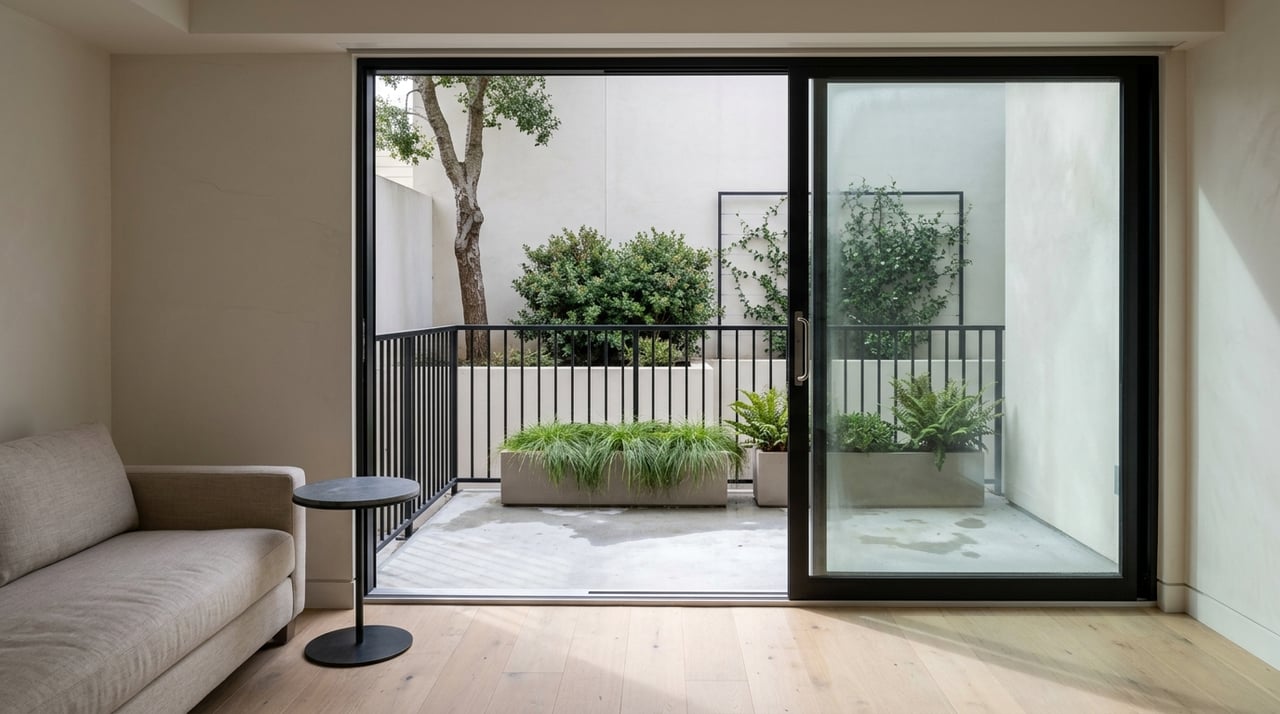
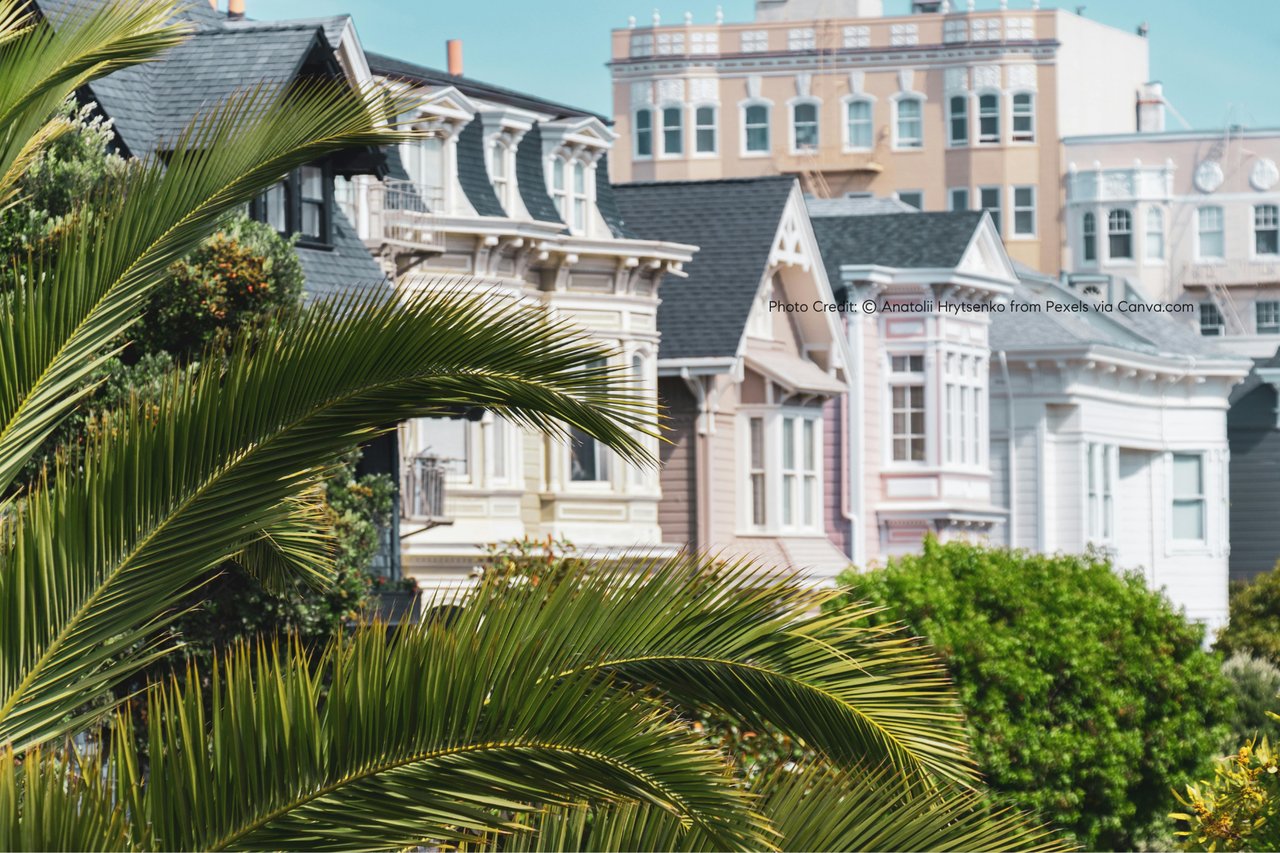
In San Francisco, that range typically gets you a well-appointed condominium in a neighborhood known for its walkability and energy: Noe Valley, Cole Valley, the Castro, Cow Hollow, or Outer Sunset. Expect somewhere between 900 and 1,400 square feet, finishes that reflect the building's age and renovation history, and the genuine vibrancy of being in a dense urban neighborhood. At the upper end of many buyers' budgets, a smaller single-family home in Glen Park, Bernal Heights, or West Portal can appear — but competition for those is intense and inventory is consistently thin.
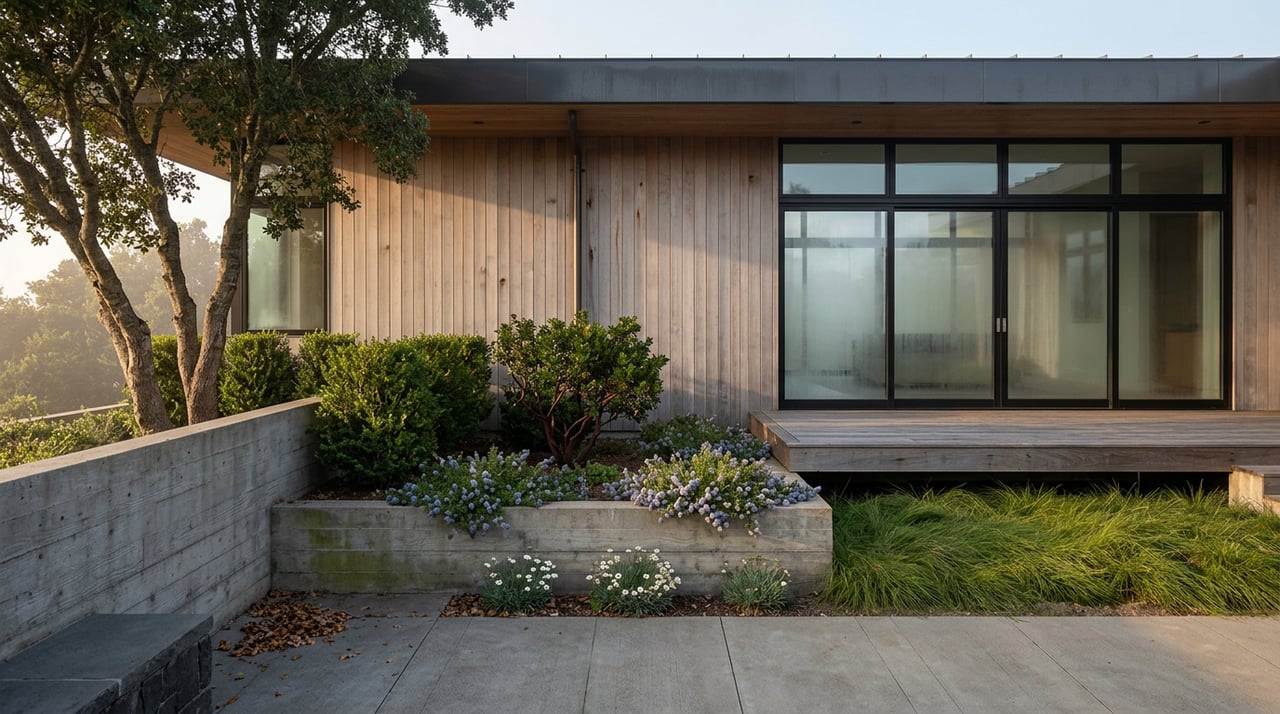
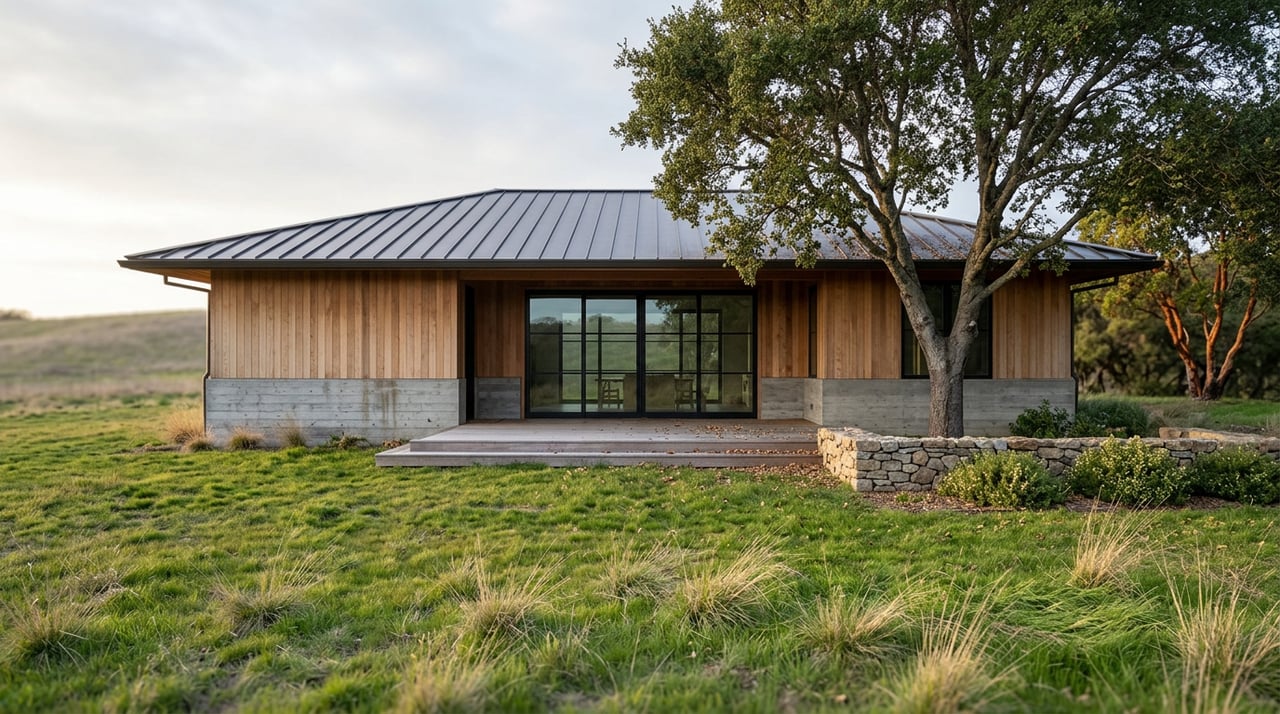
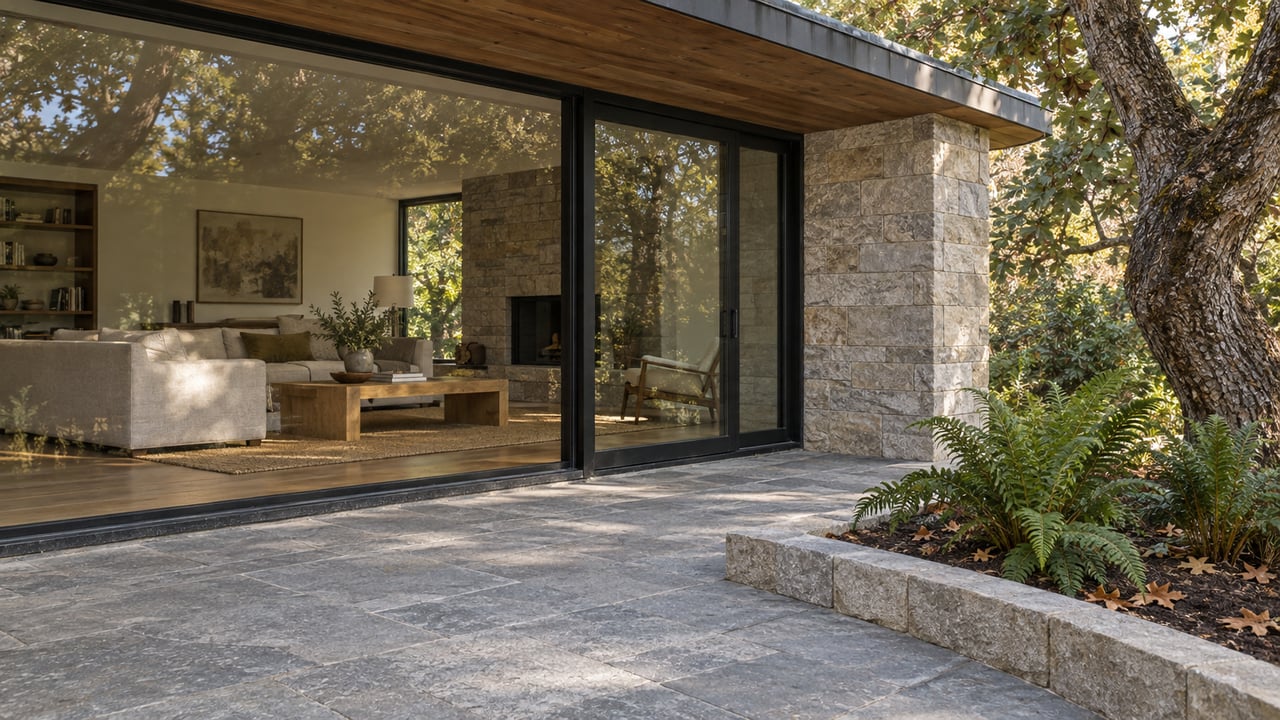
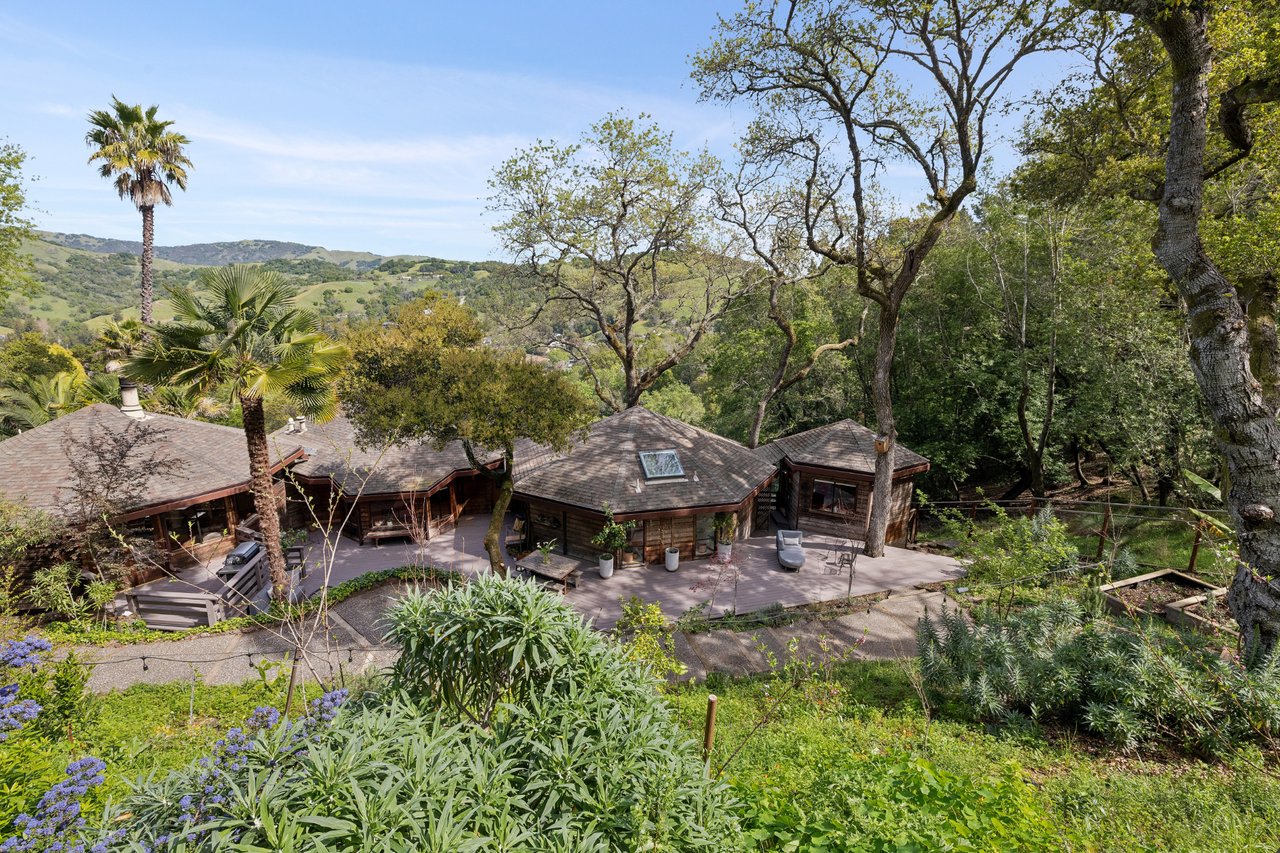
In Marin, that same range opens the single-family market across a wider set of towns. In San Anselmo or Fairfax, it can mean a three-bedroom on a quiet street with a real yard. In Corte Madera or Mill Valley, you are looking at something more finished, with more physical separation from neighbors and meaningful outdoor space. The footprint is different, the ownership experience is different, and the neighborhood context is different in ways that compound over time.
Neither outcome is inferior. But they are genuinely different things, and buyers who do not think this through clearly sometimes end up in the wrong one for their life.
The Costs That Don't Show Up in the Asking Price
One of the most important conversations we have with buyers early in the process is about the full monthly picture, not just the mortgage.
In San Francisco, a condominium purchase almost always comes with a homeowners association. HOA fees in the city vary widely depending on the building, its age, and what the assessment covers, but it is common for buyers to absorb several hundred dollars or more per month on top of their mortgage payment. That figure does not appear in the listing price, but it affects how much house a buyer can realistically afford. Parking is another real variable; in many buildings and neighborhoods, a dedicated space either costs extra or requires creative solutions.
In Marin, buyers of single-family homes rarely encounter HOA fees, but the budget math shifts in other ways. A car is not optional. Most Marin households run more than one vehicle. The Golden Gate Bridge toll becomes a recurring line item for anyone commuting regularly into the city. And the lifestyle itself is structured around driving, which means the convenience factors built into San Francisco's urban density are simply not present in the same way.
We always suggest that buyers build a realistic monthly carrying cost for both scenarios before deciding where to focus their search. The number on the listing sheet is only where the math begins.
Schools, Space, and the Trade-offs That Shape Real Life
For buyers with children, or those planning to have them, the school conversation often becomes the deciding factor.
Marin County consistently places among the highest-performing school environments in California. Towns like Mill Valley, Tiburon, Ross, and San Anselmo are known for elementary schools that draw buyers specifically, sometimes primarily, because of their academic standing and the sense of community around them. That reputation is built on something real, and we hear it cited as a decisive factor more often than almost any other.
San Francisco's public schools are more varied, and many families navigate them thoughtfully. But the calculus is different, and for families considering private school options, that cost layer changes the overall affordability picture considerably.
The space question matters independently of schools. Buyers who want a yard — whether for children, a dog, or simply the feeling of having outdoor space that belongs to them — will find it far more accessible in Marin. Private outdoor space in San Francisco is available but less common and more expensive to obtain. The tradeoff San Francisco offers in return is genuine: an energized, walkable daily life where restaurants, transit, culture, and neighborhood activity happen steps from the front door without requiring a car.
Neither package is obviously superior. Which one matters more is a personal answer, but it is worth being honest with yourself about it early.
The Choice Underneath the Budget Question
After years of working with buyers on both sides of this bridge, our honest take is that the Marin versus San Francisco decision is rarely purely about money. It is about where you are in life and what you need your home to actually do.
Buyers who are at a stage where space, privacy, schools, and outdoor access feel like priorities will almost always find that their budget works harder in Marin. The dollar stretches further in terms of what you own physically, and the lifestyle that comes with it tends to be more home-centered, quieter, and more connected to the natural surroundings that make this part of California unusual in the world.
Buyers who want to stay embedded in the city — whether because of their career, their relationship to transit, their social life, or because they simply love the rhythm San Francisco creates — will find that the urban premium is real but so is what they receive for it. Living in a city like San Francisco, in a neighborhood that delivers on everything the city promises, has a value that does not appear on a balance sheet.
We have watched clients choose Marin and feel immediately at home in a way they could not have predicted. We have watched clients choose San Francisco and feel a quiet relief at being exactly where they wanted to be. Both outcomes are the right outcome — when they match the right buyer.
Starting with the Right Question
If you are weighing these two markets with a real budget in mind, the most useful thing we can offer is a genuine, specific conversation — not a general comparison, but a walk through what your number actually opens up in each market right now, including the neighborhoods, the carrying costs, and the trade-offs that come with each path.
We know both markets closely because we work in them closely. Whether the answer turns out to be a single-family home in Fairfax or a condominium in Cole Valley, we will help you understand exactly what you are stepping into and make sure it fits the life you are building.
Reach out to Marks Realty Group to start the conversation.
Source: Marin County Housing Element (housing stock composition data)