If you've lived along the Tomales Bay corridor for more than a season or two, you already have a route memorized for late summer. You drive out Pierce Point Road, park at the old Pierce Point Ranch, and walk far enough onto the Tomales Point Trail to hear the bulls before you see them. That routine has held for decades, built around a single fact: the biggest elk herd in Point Reyes National Seashore lived behind an eight-foot fence, and if you wanted to watch the rut, you went to where the fence was.
This September, that routine is worth questioning. Not because the fence finally came down. It didn't, at least not in the way most people assumed. What actually changed is the land around it.
The Fence Everyone Fought Over Is Still Standing
The Park Service announced in early December 2024 that it would remove the nearly 46-year-old fence separating the Tomales Point elk reserve from the rest of the peninsula. Crews got to work almost immediately. Within days, the California Cattlemen's Association filed for a restraining order, and a federal judge ordered the Park Service to stop, with a hearing set for February 2025. By the time crews paused, they had opened a gap of roughly 850 feet in a structure that had stood for two and a half generations.
That litigation is where most of the public attention landed, and it's easy to see why. An "ungulate Berlin Wall," as some environmental groups called it, makes for a clean story. But the fence fight was never really the thing that determined whether elk would spread across the peninsula this fall. The ranches were.
What Actually Emptied Out
Separate from the fence dispute, and largely negotiated behind closed doors, a settlement brokered by The Nature Conservancy required twelve of the peninsula's fourteen working ranches to cease operations entirely, covering close to 17,000 acres and removing roughly 4,700 head of cattle. The Press Democrat's reporting on the closures put the deadline at early April, and by April 8, 2026, it was done. All twelve had shut down.
The names on that list are the names anyone who has driven Pierce Point Road for years will recognize. Historic G Ranch, Kevin Lunny's 1,400-acre beef operation between the Pacific and Abbotts Lagoon, wound down early and was paid out. F Ranch, run by Tim Gallagher, closed alongside it. Robert McClure's I Ranch, a working dairy, stopped milking. The Kehoe family's J/K Ranch, which had run cattle on that land for 103 years and once carried a herd of around 450 cows, sold off its stock entirely, with the family signaling plans to start over on a property in Sonoma County. The McClellands are folding their Historic L Ranch operation into another ranch they already run outside the park. Historic A Ranch in Inverness, a dairy for generations, now sits with an empty barn and a scatter of broken-down corrals. Two of the original fourteen ranch leases remain active for now, according to the Resource Renewal Institute's account of the settlement, but the rest of the peninsula that used to run cattle simply doesn't anymore.
Put those two facts side by side and the picture sharpens. The physical fence at Tomales Point is still mostly standing, tied up in a court fight that hasn't visibly resolved. But the reason elk were ever kept off the surrounding 17,000 acres in the first place, the presence of dairy cows and grazing cattle, is gone. You don't need to win a lawsuit to let an animal wander onto land nobody is actively working anymore. You just need the cows to leave.
The Drive Out to Tomales Point Looks Different This Year
For years, the reliable elk-viewing spots were narrow and specific: the northernmost stretch of Pierce Point Road, the Pierce Point parking lot, and the free-ranging herd along Drakes Beach Road and Sir Francis Drake Boulevard between the North and South Beach access roads. Those are still good bets, and the Park Service's own guidance still points there first.
What's worth watching for now is everything in between. That same drive out Pierce Point Road passes directly by several of the ranches that emptied out this spring, land that used to hold grazing cattle every week of the year and now holds nothing but grass. A few things worth keeping in mind if you're heading out this month:
- The rut typically runs August through October, so late September still has weeks of bugling and sparring left before it winds down.
- Early morning and late afternoon remain the best windows for activity, and for the kind of soft coastal light that makes the whole drive worth it regardless of what you see.
- Binoculars matter more than usual this year. With more open ground for elk to spread across, a sighting from the road is less guaranteed than it was when the herd was pressed into a fenced 2,600-acre reserve.
- Pets are still prohibited on most trails where elk may be present, including the approach to Tomales Point.
None of this is a promise you'll see something you haven't seen before. But the land itself has changed in a way that the old mental map of where to look doesn't fully account for anymore.
It's worth sitting with what that emptying out actually cost. Close to a hundred people lived on those twelve properties, many of them longtime farmworker families, and most were not part of the settlement negotiations that determined their own displacement. The Community Land Trust Association of West Marin used the county's emergency housing provisions to stand up temporary shelter for families who had nowhere else to go on short notice. Individual ranchers reportedly received payouts in the range of two to three million dollars each, while ranch workers were offered far smaller sums, some between $70,000 and $100,000. Whatever else this settlement accomplished for the elk, it did not land evenly on the people who worked that land.
Turn It Into a Full Day: The Oyster Stretch on Highway 1
If you're making the trip out toward Tomales Point anyway, the drive naturally threads past one of the best reasons to linger in this stretch of the county. Highway 1 between Point Reyes Station and Dillon Beach runs along the eastern shore of Tomales Bay, and the water side of that road is lined with working oyster operations that have nothing to do with tourism and everything to do with what this bay actually produces.
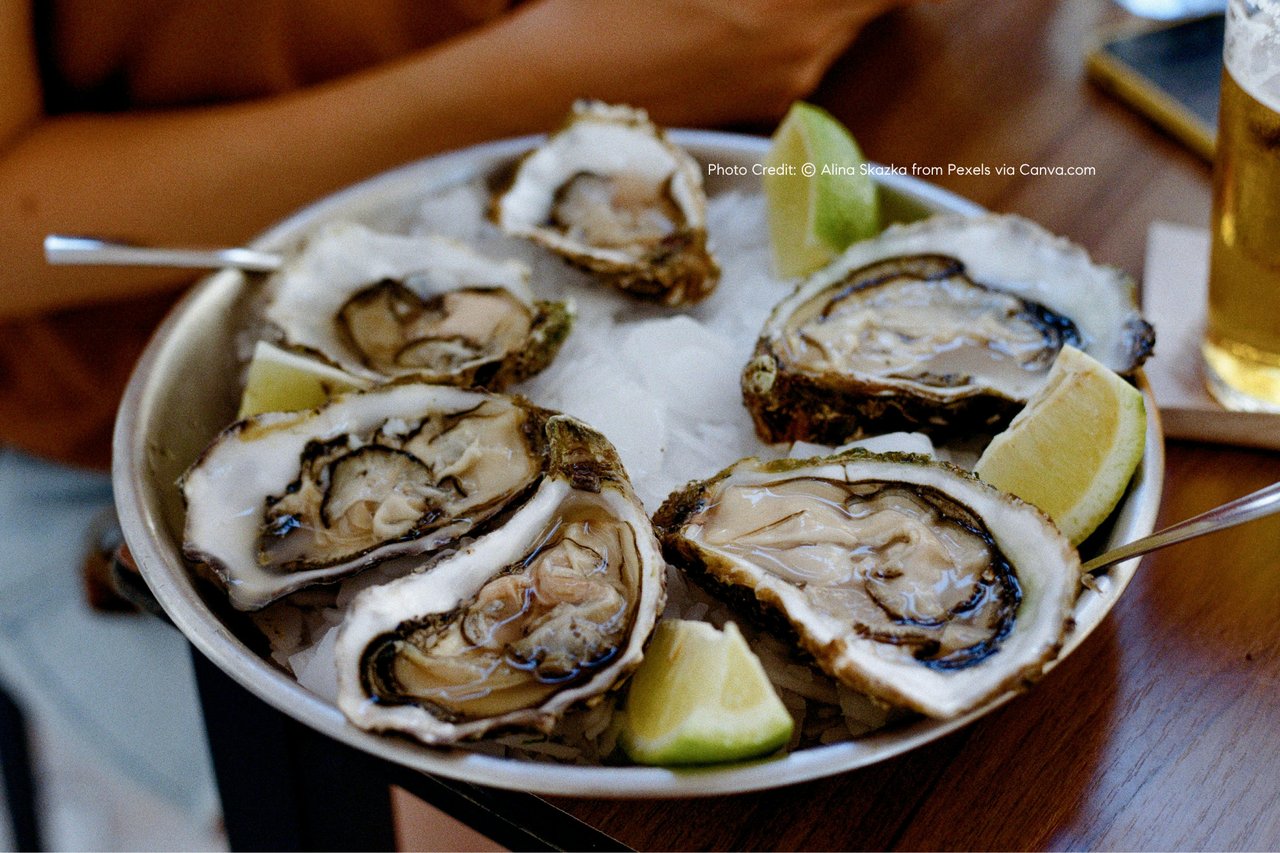
Tomales Bay Oyster Company, just north of Marshall, has been farming these waters since 1909, making it the oldest continuously operating shellfish farm in California. It's a bring-your-own-cooler operation, no restaurant, no reservations, just a counter where you buy oysters by the bag and a row of picnic tables with grills if you want to cook them yourself. A little further south, Hog Island Oyster Co. has been working the bay since 1983 and runs a sit-down oyster bar called The Boat, open Friday through Monday, where you can order a plate shucked for you instead. Either one makes a natural stop on the way back from an early morning out at the reserve, whether you saw a bull elk bugling across an open pasture or just heard one somewhere over the ridge.
What This Fall Actually Tells You
The interesting part of this story isn't really about elk. It's about how a landscape can change without the headline event ever resolving. The court case over an eight-foot fence is still, as far as public record shows, unsettled. Meanwhile, the working ranches that made that fence necessary in the first place have already come and gone, and the land underneath the argument has moved on without waiting for a verdict.
If you're out on Pierce Point Road this month, or picking up a dozen oysters in Marshall on the way home, it's worth noticing the corrals nobody's using anymore. That's not incidental scenery. That's the actual reason this fall's rut looks different than the ones before it.
If you're curious how any part of coastal Marin, from Point Reyes Station to Dillon Beach, might fit into your own plans down the road, the team at Marks Realty Group is always glad to talk it through. Book an appointment whenever the timing feels right.